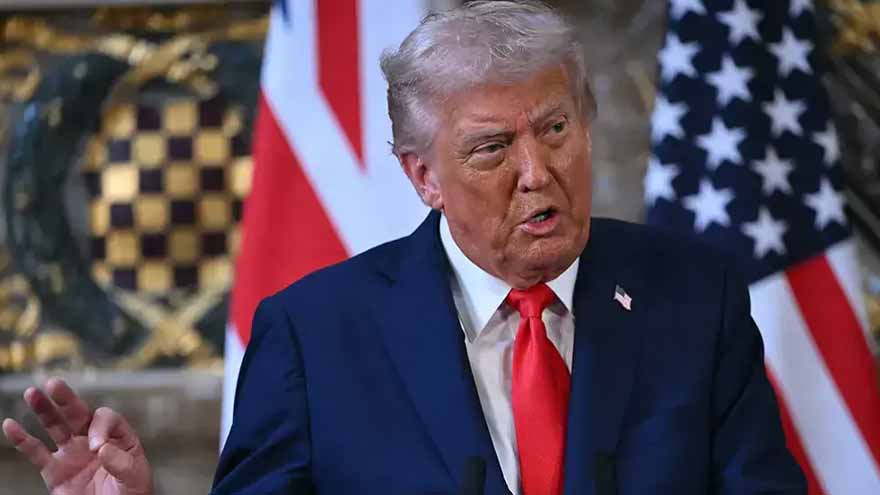
Trump made the remarks on Wednesday evening as the conflict entered its seventh month and opened another potentially significant front in the Middle East.
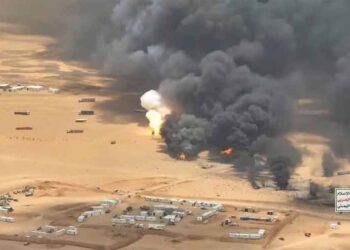
Saudi Arabia has faced renewed Houthi attacks as the group advances along the Red Sea and targets areas inside the kingdom. Attacks have also damaged Saudi Arabia’s East-West oil pipeline, raising concerns about further disruption to global energy supplies.
The United States has tightened its travel advisory for Saudi Arabia amid the escalation. The new guidance bars US government employees from travelling within 20 miles (30 kilometres) of the Yemen border.
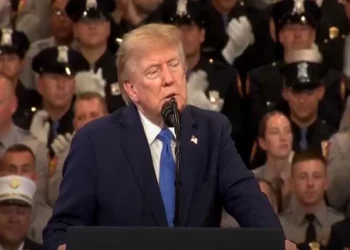
Trump, speaking to reporters, said Iran wanted an agreement.
“Hopefully we are towards the end of the war,” Trump said.
He added that Iran “want[s] to make a deal” and said he had heard from Tehran directly, without providing further details.
Oil Supply Risks Rise as Conflict Spreads
The expansion of the conflict into Yemen has increased concerns about global energy supplies. Fighting has already disrupted shipping through the Strait of Hormuz, a major energy corridor that handled about one-fifth of global oil and liquefied natural gas shipments before the conflict.
Traders estimate that a prolonged shutdown of Saudi Arabia’s East-West pipeline could remove as much as 4% of global oil supply from the market. Saudi authorities have not said when normal operations will resume.
Brent crude traded near $108 a barrel on Wednesday, close to its highest level since May. US diesel prices also reached a record average above $6.30 a gallon.
Oil prices later eased in early Thursday trading after reports that Saudi Arabia was offering additional crude cargoes through Oman. The move reduced some concerns over immediate supply disruptions.
Asim Munir, Iranian FM Discuss Regional Developments by Phone
Brent crude futures fell $1.24, or 1.2%, to $104.59 a barrel by 0049 GMT. US West Texas Intermediate futures declined $1.14, or 1.1%, to $101.29.
Trump Expected to Meet Gulf Leaders
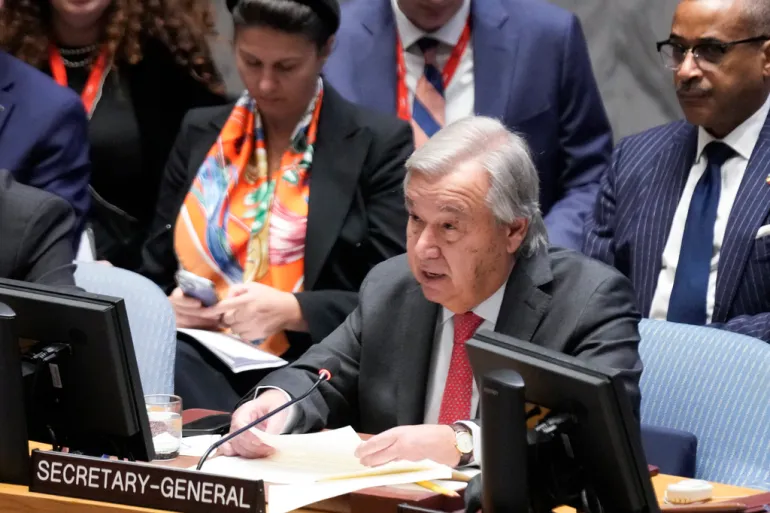
Axios reported that Trump was expected to meet Gulf leaders on the sidelines of the United Nations General Assembly on Tuesday to discuss the conflict and possible next steps.
The reported meeting could include leaders or foreign ministers from the six Gulf Cooperation Council states: Saudi Arabia, the United Arab Emirates, Qatar, Bahrain, Kuwait and Oman.
The White House and US State Department did not immediately respond to requests for comment.
The conflict has also created a political challenge for Trump’s Republican Party ahead of the November midterm elections, as higher fuel and energy prices affect US consumers.
Houthi Attacks Intensify in Yemen
The Houthis released battlefield footage on Wednesday showing fighters capturing armoured vehicles from Saudi-backed forces. The video also showed aircraft flying overhead and large explosions across desert areas.
Houthi military spokesman Yahya Saree said the group had launched new drone and missile attacks against the Saudi Red Sea oil port of Yanbu and an airbase near Khamis Mushait.
He did not specify when the attacks occurred.
Saree also claimed Saudi forces had carried out up to 450 air strikes in Yemen during the week. Officials in the Saudi-backed Yemeni government have confirmed that their forces and Saudi Arabia were conducting air strikes against Houthi positions, although Riyadh has not publicly confirmed the reported figure.
Saudi Arabia has led a coalition against the Houthis since 2015. The fighting had largely subsided under a ceasefire in recent years before tensions escalated again after the Houthis declared a naval blockade against Saudi Arabia in July and launched attacks toward southern parts of the kingdom.