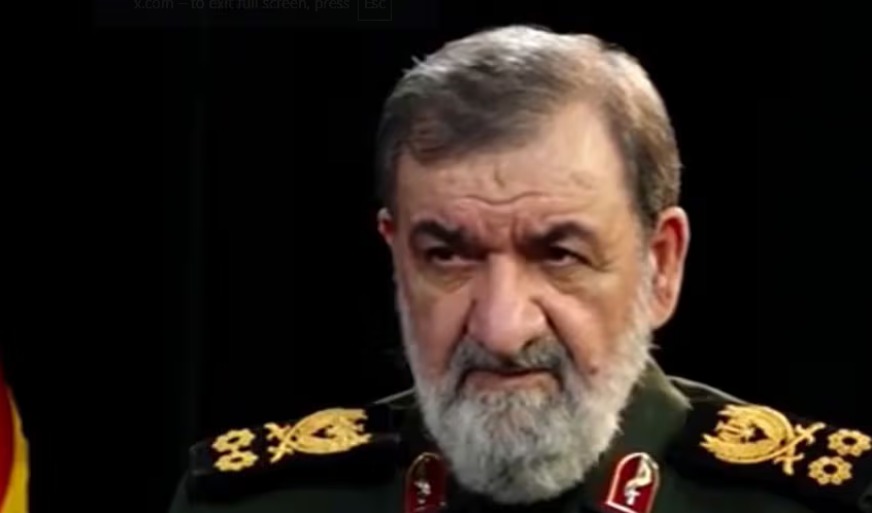
Iran’s national security chief, Mohsen Rezaei, has claimed that Saudi Defence Minister Prince Khalid bin Salman warned that Israel could target Türkiye and Saudi Arabia after Iran.
According to Iran’s state broadcaster IRIB, Rezaei made the remarks in an interview on Saturday, referring to a four-way meeting held in Tehran on October 26 with Saudi, Turkish and Pakistani officials.
“Prince Khalid said that after you, Israel will go after Turkey, and then it will come after us, Saudi Arabia,” Rezaei said.
The Saudi minister’s reported remarks have not been independently confirmed.
Saudi Arabia, Türkiye and Pakistan Discuss Regional Security
Rezaei claimed that representatives from Saudi Arabia, Türkiye and Pakistan had taken firm positions against Israel during the discussions and had themselves requested the visit to Tehran.
Pakistan Assumes G-24 Chairmanship, Vows to Amplify Developing Countries’ Voice
He also said Türkiye’s intelligence chief, Ibrahim Kalin, raised concerns about the threat posed by Israel.
Referring to Pakistan’s army chief, Field Marshal Asim Munir, Rezaei said he had discussed what he described as the Israeli threat and growing ties between Hindus and Jews against Muslims and Pakistan.
Rezaei added that the four sides had agreed to continue consultations. He said the foreign ministers of Saudi Arabia, Türkiye and Pakistan could also visit Iran for further discussions.
The October 26 meeting brought together Rezaei, Prince Khalid, Kalin and Munir to discuss regional peace and security.
Rezaei Sets Conditions for Diplomacy
In a separate statement on X, Rezaei said Iran’s seven announced conditions must be met for diplomacy to remain an option.
“If the conditions are met, the path of diplomacy will be open,” he wrote.
He also warned that any action against Iran would be met with what he described as “devastating blows” using new weaponry.
Iran Debates Nuclear Weapons Policy
Rezaei also told Iranian state television that the country was debating whether to maintain its longstanding ban on nuclear weapons if hostilities resume, Reuters reported.
He said no decision had been taken to change the policy.
The remarks come amid heightened regional tensions and uncertainty over diplomatic efforts involving Iran and its neighbouring countries.