Iran has warned the United States and its allies against launching a major new attack, saying it has information that such an operation could be under preparation. The warning comes as tensions rise across the Middle East following drone and missile strikes on Saudi Arabia.
Iran’s military central command said on state media that any fresh attack would trigger sustained retaliation against US bases and interests. It also warned that Washington’s regional allies would be treated as parties to the conflict. Iranian authorities did not provide details about the intelligence behind the warning.
The US State Department issued a security alert on Saturday, warning of possible unforeseen escalation in the Middle East. It urged American citizens to remain vigilant and prepare for possible flight cancellations and airspace closures.
Nearly seven months into the Iran US war, neither side appears ready to make the major concessions needed to end the fighting. The conflict has also placed further pressure on global energy markets and contributed to wider instability across the region.
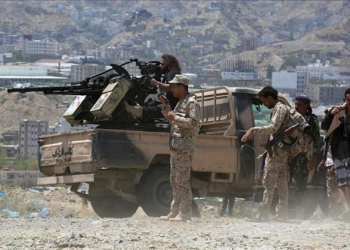
On Saturday, Yemen’s Iran-backed Houthis claimed responsibility for strikes on Saudi Arabia. The group said it had targeted the Saudi capital Riyadh and a major oil facility in Yanbu on the Red Sea coast.
Reuters video showed a large plume of black smoke rising near Riyadh’s main international airport after explosions were heard in the capital overnight.
Saudi authorities did not immediately comment on the incident or the Houthi claims. However, a Saudi-led coalition fighting the Houthis said it had prevented other attacks targeting the kingdom.
JI Emir Hafiz Naeem Vows to Continue Public Issues Campaign
The US State Department’s alert also cited Houthi hostilities against Saudi Arabia, including threats to civilian airports.
The latest escalation has placed Riyadh in a difficult position. Saudi Arabia faces a choice between continuing airstrikes against the Houthis to prevent further territorial gains and reducing military action in an effort to limit attacks on critical infrastructure.
The Houthis’ gains along Yemen’s Red Sea coast have also increased concerns over the Bab el-Mandeb Strait. Their position near the strategic waterway could give them greater influence over shipping between the Red Sea and Asia.
Iran has meanwhile restricted most shipping through the Strait of Hormuz, while a US blockade of Iranian ports has prevented Tehran from selling much of its oil. The developments have added further pressure to global energy supplies and oil prices.
Despite the damage caused by the conflict, there has been little indication of a return to the interim ceasefire reached in June. The agreement collapsed in July following disputes over its terms.
Iran reiterated on Sunday that it would not reopen the Strait of Hormuz until the conditions of the June agreement, according to Tehran’s interpretation, were fulfilled.
Iranian Parliament Speaker Mohammad Baqer Qalibaf said the country would continue both fighting and negotiations. He said Iran would seek to push back its opponents while using diplomacy to consolidate any gains.