Iran has urged regional countries to take greater responsibility for maintaining lasting peace and security, following a four-nation meeting involving Iran, Pakistan, Saudi Arabia and Türkiye. Tehran has also criticised the United States over the Islamabad Memorandum of Understanding (MoU), accusing Washington of undermining diplomatic commitments.
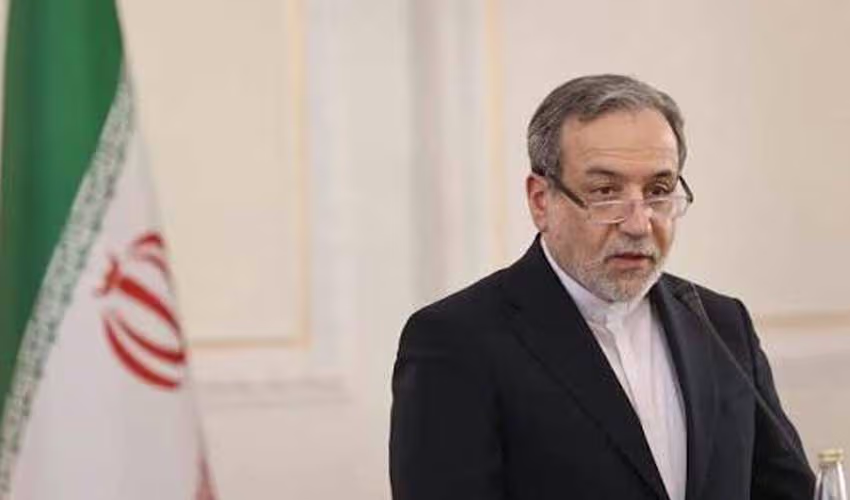
Iranian Foreign Minister Abbas Araghchi described the meeting as an opportunity to strengthen regional dialogue and develop joint responses to shared security challenges. Meanwhile, Foreign Ministry spokesperson Esmaeil Baghaei accused US President Donald Trump of demonstrating disregard for diplomacy through his reported remarks about the Islamabad MoU.
Araghchi calls for regional ownership of security
In a message posted on Instagram, Araghchi said countries in the region should take responsibility for ensuring sustainable peace and security without military interference from outside powers.
He described the Tehran meeting as a valuable opportunity to advance dialogue, strengthen cooperation and address common threats.
Trump Keeps Iran Attack Option Open as Reports Point to New US-Israeli Offensive
Araghchi said the participants’ agreement to continue consultations represented an important step towards developing a regional framework for cooperation.
However, he stressed that lasting progress would require agreement on fundamental principles, confidence-building measures, mutual respect for national sovereignty and practical commitments.
“Our neighbours are our priority,” Araghchi said, reiterating Tehran’s stated emphasis on relations with neighbouring countries.
He also argued that confronting what Iran describes as Israeli aggression was necessary to protect regional independence and sovereignty and prevent the conflict from spreading further.
Pakistan, Saudi Arabia, Türkiye and Iran hold talks
Senior defence and security officials from the four countries met in Tehran amid heightened regional tensions linked to the US-Iran conflict and attacks attributed to Yemen-based Houthi forces against Saudi Arabia.
According to the supplied report, participants included Saudi Defence Minister Prince Khalid bin Salman, Pakistan’s Chief of Defence Forces Field Marshal Asim Munir, Turkish intelligence chief Ibrahim Kalin and Mohsen Rezaei, secretary of Iran’s Supreme National Security Council.
The meeting was significant because Pakistan, Saudi Arabia and Türkiye had signed the Makkah Joint Defence Agreement in August, formalising their security cooperation. The Tehran gathering brought representatives of those three countries together with Iranian officials.
Araghchi said continued consultations could help translate political understandings into practical cooperation, although significant differences over regional security and the role of external powers remain.
Iran accuses Trump of undermining Islamabad MoU
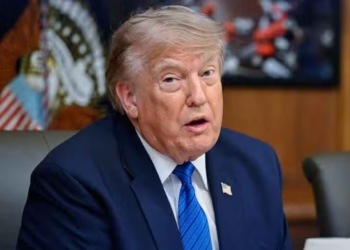
Separately, Iranian Foreign Ministry spokesperson Esmaeil Baghaei criticised Washington after Trump reportedly said he had never believed in the Islamabad Memorandum of Understanding and had considered it a waste of time.
In a statement shared on social media, Baghaei argued that the remarks demonstrated what Tehran views as a lack of reliability in US diplomatic commitments.
He accused Washington of abandoning promises when they conflict with American interests and criticised European countries and others for what he described as shielding the United States from accountability.
“Broken commitments cannot be excused, international law cannot be applied selectively, and no amount of political spin can absolve Washington of accountability,” Baghaei said.
The remarks reflect Iran’s position that international agreements must be respected and that countries should apply international law consistently.
Regional tensions complicate diplomatic efforts
The statements come amid continuing tensions following US and Israeli attacks on Iran in February, according to the supplied report. Iran responded with attacks across the region, while disruptions to commercial shipping through the Strait of Hormuz intensified concerns about regional security and global energy markets.
The confrontation has increased pressure on regional governments to prevent further escalation and protect critical infrastructure, maritime trade and energy supplies.
Araghchi’s appeal for regional cooperation signals Tehran’s preference for security arrangements led by countries in the region rather than outside military powers. Baghaei’s criticism of Washington, meanwhile, highlights the mistrust surrounding the Islamabad MoU.
Can regional dialogue deliver lasting peace?
The four-nation meeting has provided a platform for Iran, Pakistan, Saudi Arabia and Türkiye to discuss shared security concerns and continue diplomatic consultations.
However, translating dialogue into lasting cooperation will depend on the participants’ ability to build confidence, respect national sovereignty and address their differences through practical measures.
Iran’s latest statements underline two priorities for Tehran: greater regional responsibility for peace and security, and respect for international law and diplomatic commitments.
Whether the consultations lead to concrete agreements remains uncertain as regional tensions and disagreements over the role of external powers continue.