Report: Tabish Kafili
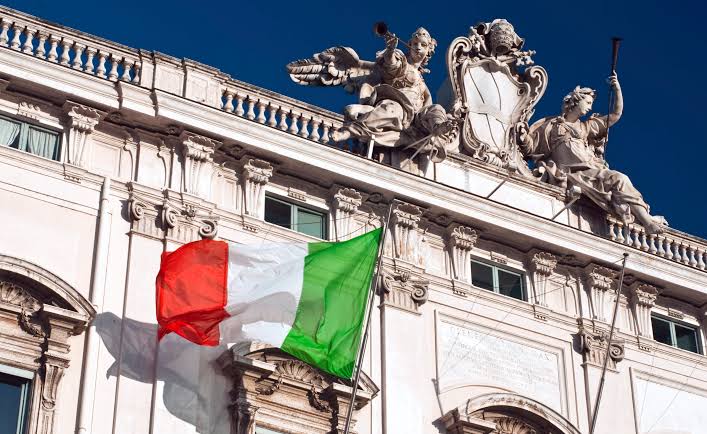
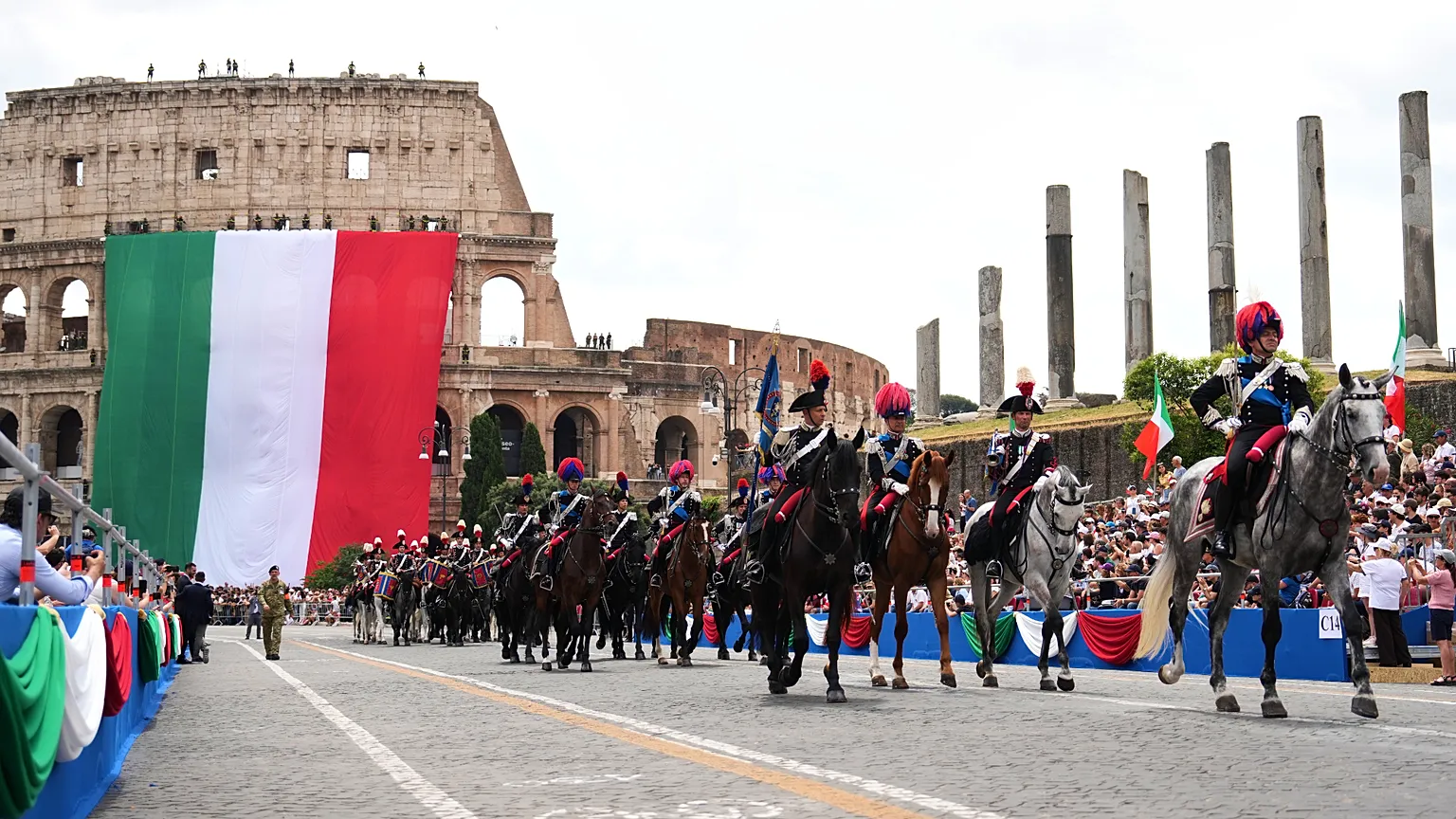
It takes immense collective courage for a country shattered by decades of fascism and the ruins of a global war to completely reinvent itself. Yet eight decades ago the people of Italy did exactly that—casting aside a centuries-old monarchy to give birth to a vibrant, modern republic. As the green, white, and red of the Tricolore rises from the historic plazas of Rome to the diplomatic halls of Karachi, this anniversary marks more than just a shift in governance. It celebrates an act of pure resilience that transformed a broken, post-war nation into a global industrial powerhouse and an enduring, vital partner to Pakistan.
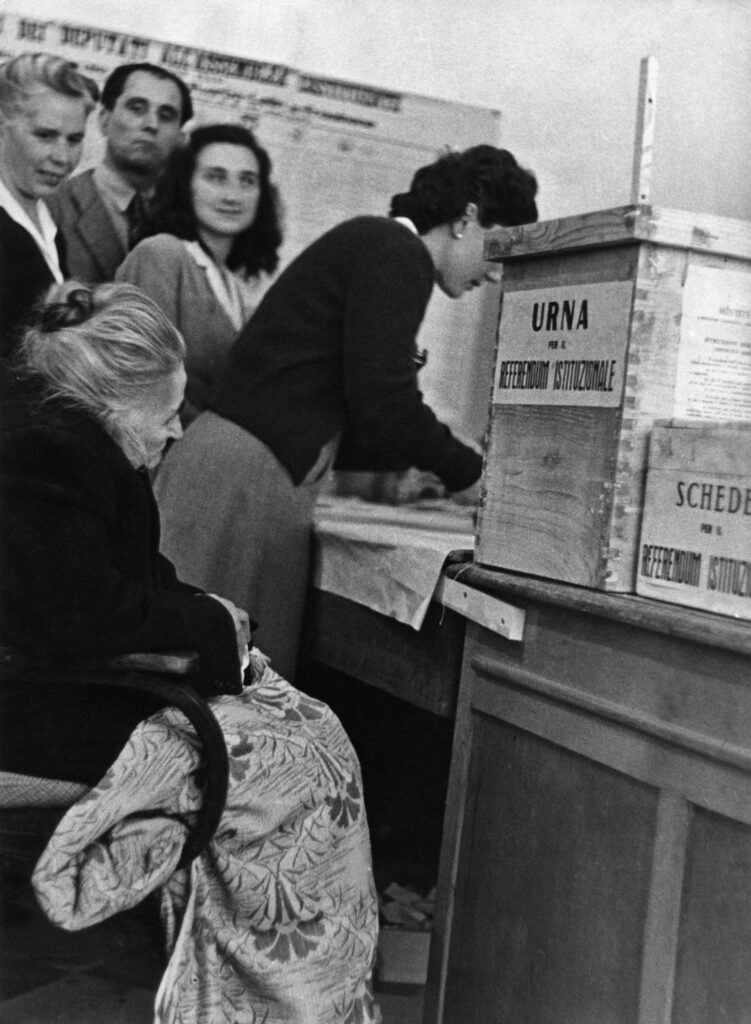
That historic referendum was not merely a change of government; it was an act of collective renewal. It marked the first time in Italian history that women cast their ballots in a national election, following local municipal voting earlier that spring. A country battered by two decades of dictatorship decided what kind of nation it wished to be. The result was close—12.7 million for the republic, 10.7 million for the monarchy—but decisive. The House of Savoy went into exile, and the modern Italian Republic was born.
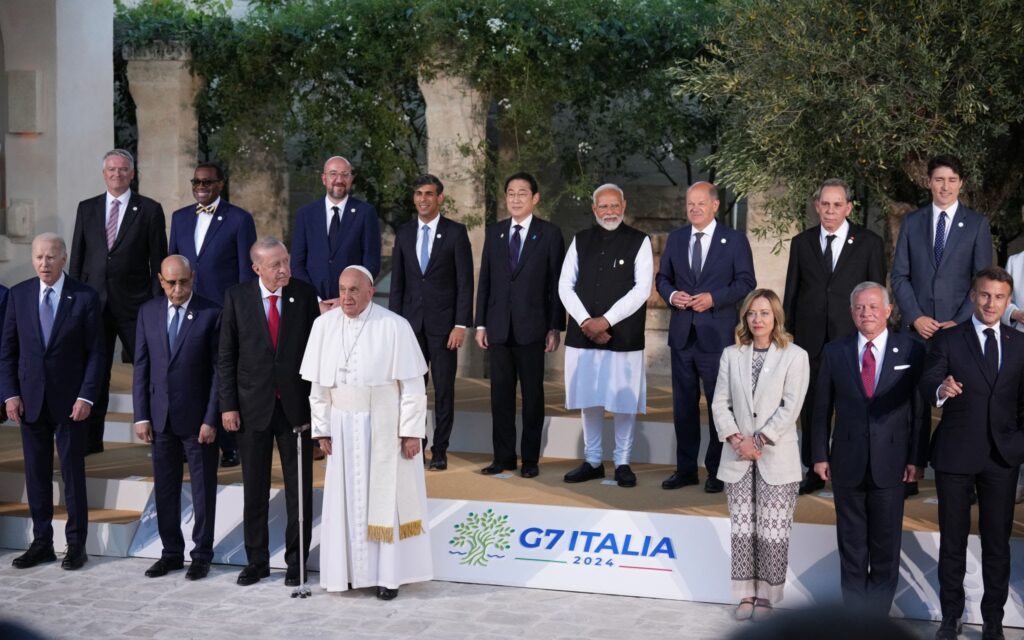
As Italy marks the road to its 80th anniversary, it stands as a dominant global economic power, a core member of the G7 and a cornerstone of both the European Union and NATO. It is a civilization as much as a country—the birthplace of the Renaissance, of Roman law, of opera and of timeless industrial design. Yet for all of Italy’s global prominence, one of its most quietly significant and rapidly evolving relationships lies thousands of kilometres to the east with the Islamic Republic of Pakistan.
A Friendship Built on Institutional Trust
Pakistan and Italy established formal diplomatic relations in 1948, not long after Pakistan’s own founding. In the decades since the two countries have built a vast framework of engagement spanning dozens of government-to-government agreements and memoranda of understanding between universities and think tanks, covering fields as varied as science, cultural heritage, defense studies and sports.
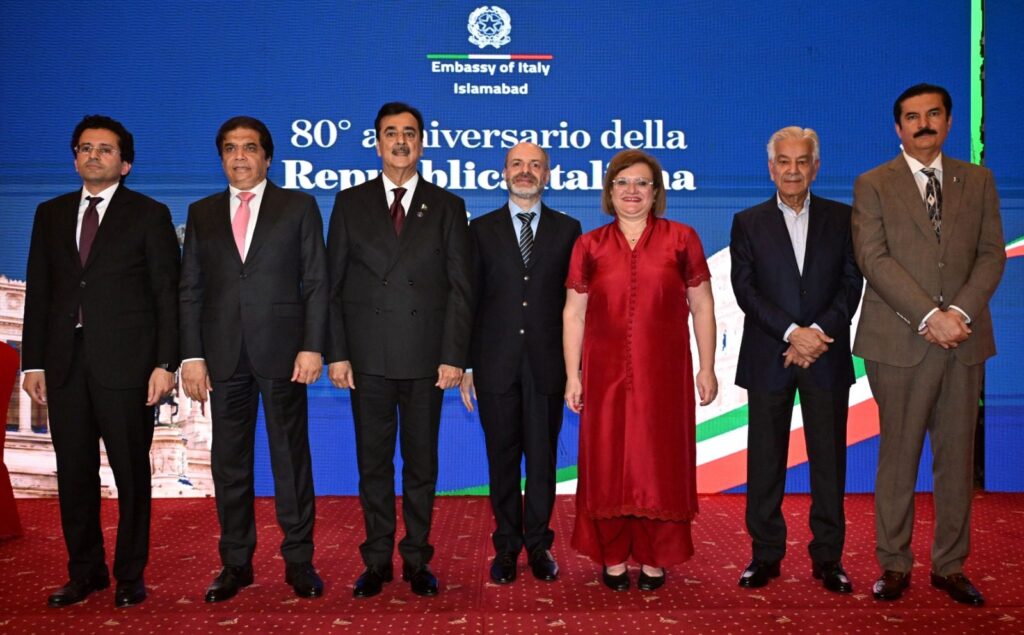
Economic and Social agreements established during the 1970s and 1980s quietly paved the way for the deep diaspora roots. Today, this compounding trust has culminated in groundbreaking pacts for modern mobility. Milestone agreements, including the reciprocal abolition of visas for diplomatic passport holders and historic legal labor migration frameworks, stand as tangible proof of an evolving partnership that continues to redefine the bilateral relationship.
The Billion-Dollar Story
The economic dimension of the Pak-Italy relationship is exceptionally strong. Bilateral trade comfortably crossed the $1.6 billion mark in fiscal year 2024, with Pakistan’s exports to Italy—predominantly high-quality textiles, leather goods and agricultural products—accounting for over $1.1 billion of that figure. Notably the trade balance favors Pakistan, a rare and positive dynamic reflecting genuine demand for Pakistani manufacturing in Italian markets.
Italy conversely exports high-end industrial machinery, pharmaceuticals and precision equipment to Pakistan. Because Italy is a global leader in textile manufacturing technology and textiles form the backbone of Pakistan’s economy, this industrial synergy is both natural and vital.
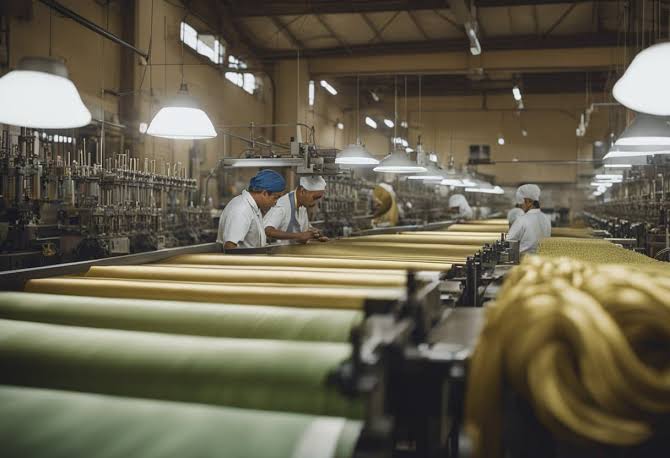
The Italian Trade Agency (ITA) actively drives this commercial exchange. In Karachi the commercial heart of Pakistan, the Consul of Italy Fabrizio Bielli has pointed to an ambitious shared target of pushing bilateral trade toward the $3 billion mark. Addressing local business leaders, he emphasized massive untapped potential in renewable energy, modern agriculture, water recycling and healthcare infrastructure as prime areas for Italian technology transfer.
The Diaspora Bridge
Numbers alone cannot tell the story of Pakistanis in Italy, but the data is striking. Official statistics record over 160,000 Pakistanis legally residing in Italy, with broader community estimates approaching 300,000. This makes the Pakistani diaspora one of the largest non-EU communities in the country.
The growth has been remarkable, climbing from just tens of thousands in the early 2000s to a vibrant, multi-generational community today. The vast majority are concentrated in Italy’s industrialized northern powerhouse—with Milan and Brescia in the Lombardy region forming the heartland of the diaspora.
Over time, this community has put down permanent roots. Thousands of Pakistani families now own homes in Italy, Urdu-language publications circulate in northern cities and Pakistani culinary and cultural spaces enrich historic neighborhoods.
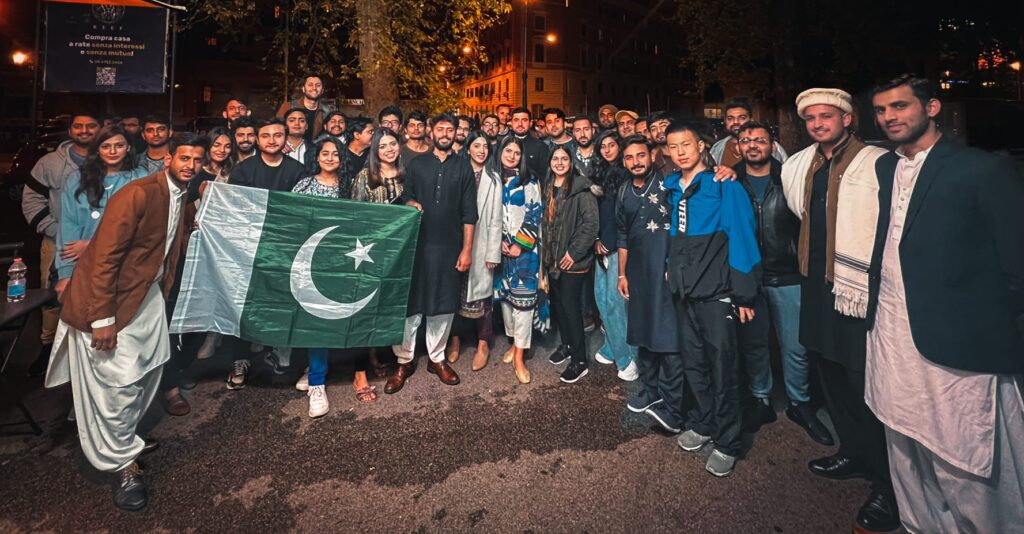
At the same time, thousands of Pakistani students are currently shaping their futures within Italian universities, attracted by Europe’s most storied intellectual institutions and generous scholarship pathways.
Shared Heritage, Shared Future
The relationship is also entering a critical phase of climate and cultural cooperation. Italian development initiatives are actively supporting agricultural productivity and climate adaptation projects in Sindh, a region that has borne the brunt of global climate volatility.
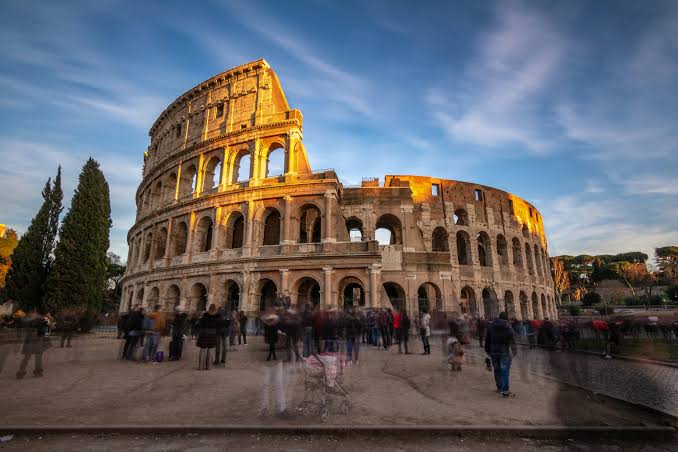
There is also a deep cultural thread. Both Pakistan and Italy are among the most historically layered civilizations on earth. Italy holds the world record for the highest concentration of UNESCO World Heritage Sites, recently reaching 60 designated treasures. Pakistan boasts six extraordinary sites of its own—stretching from the ancient urban planning of Mohenjo-daro to the architectural majesty of the Lahore Fort and Shalamar Gardens.
As the Tricolore flies in Karachi Consulate, it honors two republics separated by seas but joined by decades of quiet cooperation, mutual respect and an enduring friendship that continues to stand the test of time.