Andy Burnham will become Britain’s seventh prime minister in a decade on Monday after succeeding Keir Starmer as Labour leader. He has pledged to “rewire” the country by focusing on the issues that matter most to the public, including the cost-of-living crisis and struggling public services.
Defamation Suit Court Seeks Arguments on PTI Founder’s Jail Meeting Request
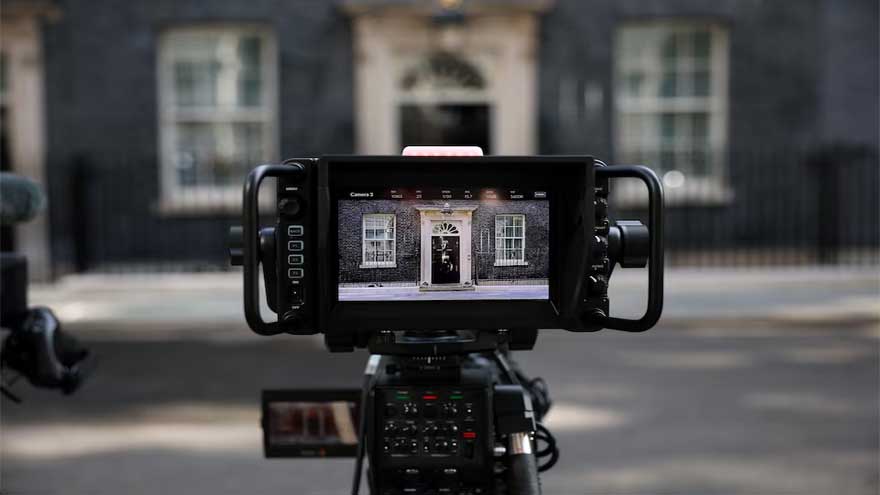
Keir Starmer will deliver his farewell speech outside 10 Downing Street before formally submitting his resignation to King Charles. The King will then invite Burnham to form a government.
After taking office, Burnham will announce his cabinet. However, he will immediately face major challenges, including weak economic growth, underperforming utility companies and pressure to improve living standards.
Burnham will use his first speech as prime minister to outline his vision for what he called “a more stable and responsible politics.” According to his office, he will present his appointment as an opportunity to confront Britain’s challenges with honesty and political stability.
Earlier, Burnham described his election as Labour leader as the most significant political change in Britain for four decades. He promised to reform the political system, raise living standards and make life more affordable across the country.
Moreover, Burnham urged Labour lawmakers to ignore speculation over cabinet appointments. He said he had not yet decided who would serve in his government.
Meanwhile, attention has focused on the appointment of the next finance minister. Energy Security and Net Zero Secretary Ed Miliband was considered an early contender. However, reports now suggest Home Secretary Shabana Mahmood has emerged as the leading candidate.
In addition, Burnham’s early policy decisions will face close scrutiny. The government has already abandoned plans to require all employees to hold digital identity documents after lawmakers criticised the proposal.
Furthermore, ministers are expected to outline decisions on taxation, public spending, energy policy and the future of Britain’s utility companies.
Burnham has also called for stronger public oversight of poorly performing utility firms. Thames Water, Britain’s largest water company, continues to face criticism over its heavy debt burden and repeated sewage leaks.
Meanwhile, Deputy Labour Leader Lucy Powell suggested the government could place Thames Water under special measures, allowing it to operate under government control.
Powell said Burnham intends to redirect government resources toward tackling the cost-of-living crisis and reshaping the economy to better serve people across the country.