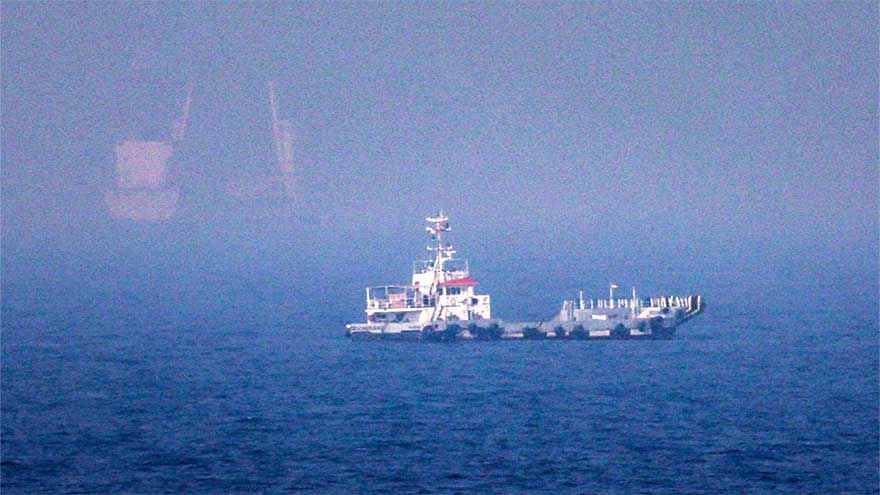
Iran Attack intensified on Tuesday as Iran targeted a tanker in the Strait of Hormuz. The attack forced the crew to abandon the vessel. Meanwhile, the United States carried out a 10th consecutive night of airstrikes against Iranian military positions.
Iran-US Conflict Pezeshkian Declares ‘Full-Scale War’ as Fighting Escalates
The renewed fighting raised fresh concerns about security in one of the world’s busiest shipping routes. Nearly one-fifth of global crude oil and natural gas trade normally passes through the Strait of Hormuz. As a result, the conflict is increasing risks for global energy markets.
Meanwhile, Iran’s interior minister arrived in Pakistan for diplomatic talks. The discussions aim to ease tensions. However, neither side has signaled that a new agreement is close after last month’s interim ceasefire collapsed.
The US State Department warned that Iran and groups aligned with Tehran could target American interests worldwide. Officials also urged US citizens overseas to remain vigilant.
The conflict pushed global oil prices higher. Brent crude traded above $88 a barrel. In addition, average US gasoline prices climbed to around $4 per gallon. The increase added pressure on consumers and financial markets.
President Donald Trump announced he would attend a ceremony at Dover Air Force Base to honor US service members killed during the conflict. He also pledged a strong response to future attacks on American troops.
US Central Command said its latest strikes targeted Iranian military command centers, missile and drone launch sites, maritime capabilities, and air defense systems. Military officials added that American forces remain ready to protect commercial vessels in the Strait of Hormuz.
However, commercial shipping through the waterway slowed sharply. Britain’s United Kingdom Maritime Trade Operations agency reported that an oil tanker came under attack near Oman. The crew later evacuated the vessel. Iran’s Revolutionary Guard claimed responsibility for that attack and two earlier strikes on ships.
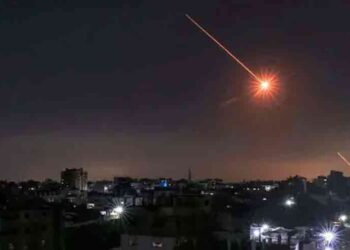
At the same time, Iran continued attacks on US-allied countries across the Middle East. Kuwait reported intercepting incoming missiles and drones. Jordan said its armed forces shot down three Iranian missiles without casualties. Bahrain also condemned Iranian drone strikes targeting its air navigation systems.
Furthermore, the Pentagon said nearly 100 US service members have suffered injuries since American strikes resumed on July 7. Most sustained minor concussions. Officials said the majority have already returned to duty.
Elsewhere, Yemen’s Iran-backed Houthi rebels announced a maritime embargo against Saudi Arabia. They threatened to target shipping through the Bab el-Mandeb Strait. Saudi Arabia responded by pledging to keep the strategic waterway open.
Despite the continuing violence, diplomatic efforts remain active. Pakistan has stepped up mediation efforts. Meanwhile, US Secretary of State Marco Rubio said Washington remains open to meaningful negotiations if Iran demonstrates a genuine commitment to diplomacy.