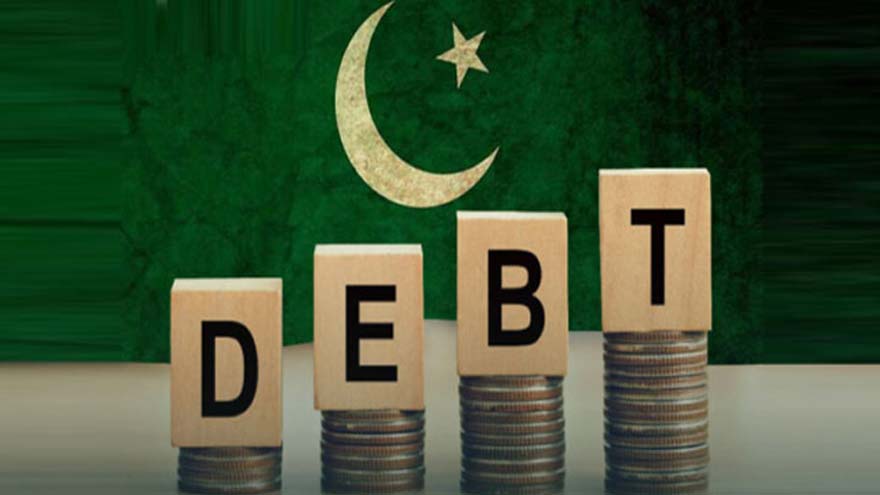
Pakistan’s overall energy-sector circular debt has climbed to Rs5.286 trillion, highlighting continued financial pressures in the country’s power and gas sectors and underscoring the need for further reforms.
According to sources, circular debt in the gas sector has reached Rs3.611 trillion, while the power sector accounts for Rs1.675 trillion. The figures show that gas-sector liabilities make up the larger share of Pakistan’s total energy-sector circular debt.
The latest increase comes as Pakistan continues to face financial and operational challenges across its energy industry. The International Monetary Fund (IMF) has repeatedly stressed the need for reforms to improve the sector’s financial sustainability and prevent further accumulation of unpaid liabilities.
Oil Prices Crude Slips as Investors Await New US Sanctions on Iran
The IMF has called for timely tariff adjustments to help contain the growth of circular debt. It has also urged Pakistan to reduce energy-sector losses and improve the operational efficiency of power and gas companies.
The global lender has identified the continued accumulation of circular debt in the power sector as a major challenge for Pakistan. It has also encouraged the government to maintain cost-based tariff adjustments in the gas sector.
The IMF has warned that structural weaknesses in the energy sector could pose risks to Pakistan’s fiscal stability. The government, meanwhile, has committed to reducing the flow of circular debt in the power sector during the current fiscal year.
The ongoing reforms aim to reduce losses, improve operational performance and place both the electricity and gas sectors on a more financially sustainable footing.
The rising circular debt highlights the scale of Pakistan’s energy-sector challenges and the importance of implementing reforms to improve financial management and ensure the long-term stability of the sector.