US-Iran conflict intensified on Wednesday after the United States launched a new wave of airstrikes against Iranian military targets, prompting fresh threats from Tehran and raising fears of a wider regional war.
EU social media rules European Union plans age-based restrictions for children
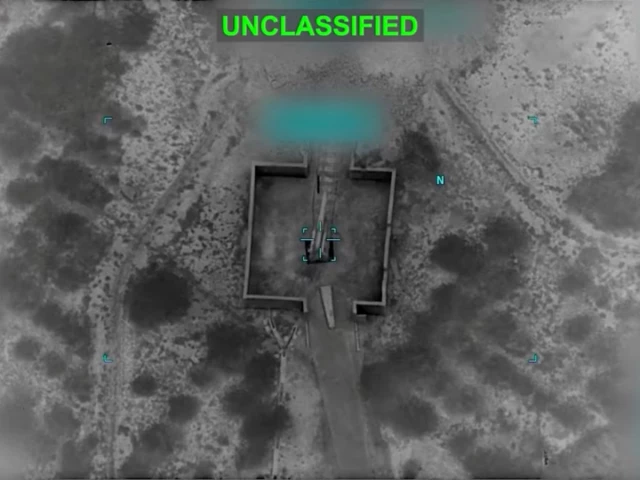
The US Central Command (CENTCOM) said operations began at 6:00 a.m. EST (3:00 p.m. PKT). According to the military, the strikes targeted facilities linked to attacks on commercial shipping in the Strait of Hormuz.
Meanwhile, Iran’s Islamic Revolutionary Guard Corps (IRGC) warned it could halt energy exports across the Middle East. The force said regional oil and gas exports would continue “for everyone or for no one.”
Iran reports casualties and infrastructure damage
Iranian officials said US strikes killed at least seven military personnel at a base in Bampur. In addition, several others were injured after missiles struck accommodation buildings and guard posts.
Government spokeswoman Fatemeh Mohajerani said recent attacks in southern Iran killed more than 30 civilians. However, she did not identify the affected locations.
Authorities also reported damage to the maritime traffic control centre at Chabahar Port and a wheat storage silo in Khuzestan province. Fortunately, officials reported no casualties at those sites.
Regional tensions spread beyond Iran
Bahrain said it intercepted several Iranian missiles and drones that targeted civilian areas. Similarly, Jordan announced that its air defence systems shot down three ballistic missiles that entered its airspace.
The IRGC claimed it had targeted US-linked military facilities in Bahrain, Kuwait and Jordan. However, those claims have not been independently verified.
US vows to continue military operations
CENTCOM said US aircraft, drones and naval forces struck dozens of Iranian missile, drone and coastal defence positions during a seven-hour operation.
Furthermore, US President Donald Trump warned that Washington could target Iran’s energy infrastructure unless Tehran returned to negotiations.
Trump also abandoned plans to impose a 20% transit fee on ships using the Strait of Hormuz. Instead, he said the United States would pursue investment agreements with Gulf allies.
China urges restraint as oil prices climb
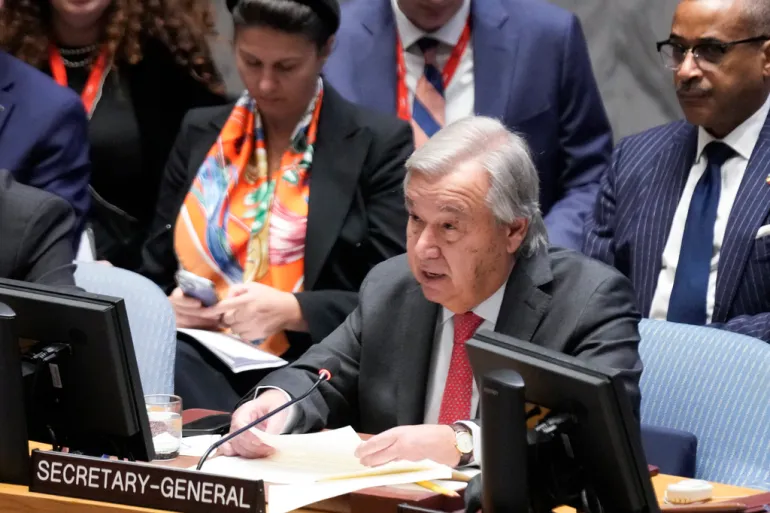
China criticised the latest US military action at the United Nations. At the same time, Beijing urged Washington to avoid creating further instability in the Middle East.
Oil prices climbed for a second consecutive day as investors worried about prolonged disruptions to energy supplies through the Strait of Hormuz.