Rising energy prices, a strong El Niño and higher borrowing costs are putting growing pressure on developing economies, the United Nations Development Programme (UNDP) warned on Friday.
The UNDP said conditions were approaching levels seen during the pandemic. At that time, the G20 suspended debt payments for the poorest countries.
The warning comes ahead of the annual meetings of the International Monetary Fund (IMF) and World Bank. The meetings are scheduled to take place in Bangkok from October 12 to 18.
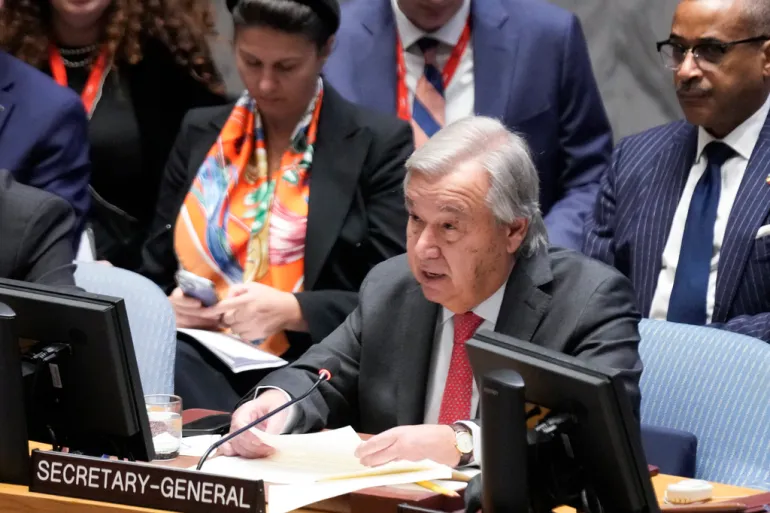
UNDP Administrator Alexander De Croo said policymakers would face major challenges over debt, energy prices, climate risks and food security.
He warned that the overlapping pressures could create a “domino effect” and push many countries into financial distress.
Energy Costs Add Fiscal Pressure
Developing countries are facing higher energy costs as the conflict in the Middle East disrupts energy markets.
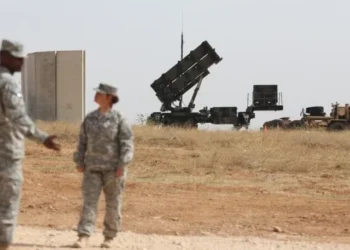
US Deploys Patriot Batteries to Protect Saudi, Qatar Energy Facilities
Many governments have introduced measures to protect households from rising oil prices. However, these measures have reduced fiscal space and increased pressure on public finances.
De Croo said governments were now facing difficult choices as debt levels increased.
Some countries are diversifying their energy supplies and adapting food systems. But the UNDP said those measures would take time to produce results.
The agency has previously warned that higher energy prices can deepen poverty and weaken development gains in vulnerable economies.
Strong El Niño Raises Food Risks
Climate risks are adding another layer of pressure.
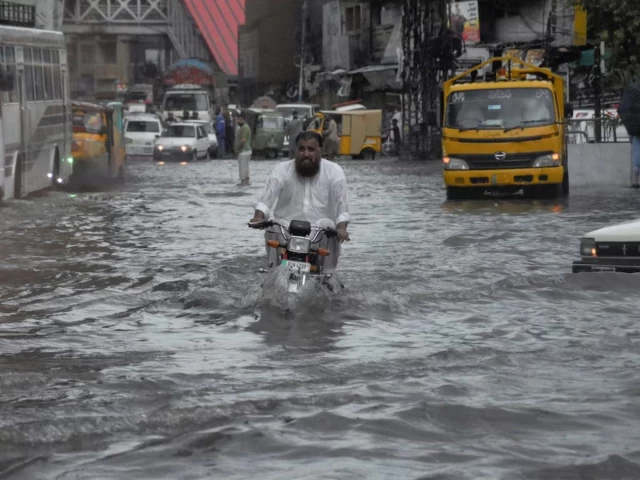
The UNDP said a very strong El Niño event is expected to intensify towards the end of 2026. The weather pattern could increase the risk of drought, flooding and extreme heat across vulnerable regions.
The agency warned that agricultural losses could increase food insecurity through 2027.
UNDP said the effects would vary by region. Some areas could face excessive rainfall and flooding, while others could experience drought and water shortages.
The agency has urged governments to invest early in disaster preparedness, climate resilience and social protection.
Governments Roll Back Subsidies
UNDP Chief Economist George Gray Molina said governments had begun allowing higher energy prices to reach consumers.
Some countries have also started reducing subsidies, tax relief and other measures introduced to limit the impact of higher food and energy costs.
Molina said governments were struggling to absorb the growing financial burden.
He said developments in bond markets and oil prices over the next 60 days would be particularly important.
According to UNDP, higher prices had already contributed to protests and social unrest in several countries during September.
Developing Countries Face Multiple Shocks
De Croo said the economic impact of the Middle East conflict had spread well beyond the region.
UNDP surveys indicated that the crisis was affecting around 100 countries.
Many developing economies entered the current period with limited fiscal buffers. Higher borrowing costs are now making it harder for governments to finance development and protect vulnerable populations.
The UNDP has also highlighted the growing cost of capital as a major development challenge. Higher borrowing costs can limit spending on infrastructure, jobs and public services.
Worst May Still Be Ahead
The UNDP surveyed 26 countries about the current economic situation.
Twenty-two of them rated the crisis as a medium or high priority. Thirteen said it had added to an existing economic or fiscal crisis.
All 26 countries surveyed said they expected conditions to worsen.
The findings are expected to add urgency to discussions at the IMF and World Bank meetings in Bangkok.
Global financial officials are expected to discuss the pressures facing developing economies, including debt, energy security, climate change and food insecurity.