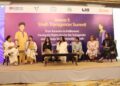
The Sindh Transgender Summit has called for urgent action to protect the rights of the Khawaja Sira community and address gaps in the implementation of existing policies.
The Legal Aid Society (LAS), in partnership with Gender Interactive Alliance (GIA), organised the summit under the Aawaz II Programme. CARE Pakistan leads the programme, which receives funding from UK International Development from the UK government.
The summit, titled “From Exclusion to Entitlement: Closing the Rights Gap for the Khawaja Sira Community in Sindh,” brought together government officials, community leaders, civil society organisations and development partners.
Representatives from the Social Welfare, Health, Education, Home and Labour departments attended the event. Officials from BISP/Ehsaas, NADRA, the Sindh Human Rights Commission and the Sindh Commission on the Status of Women also participated.
Community Voices and Lived Experiences
GIA Executive Director Bindiya Rana opened the summit. She called for greater institutional accountability and stronger action on community concerns.
YKP Foundation Hosts URAAN-E-AI National IT and AI Seminar in Karachi
Aawaz II Team Lead Arif Tabassum presented an overview of the programme. Sana Ahmed of GIA delivered a “Voices of Resilience” address.
Khwab-e-Raqs and Transcend Theatre also presented “Stories from the Margins.” The performance highlighted the lived experiences of transgender and Khawaja Sira people.
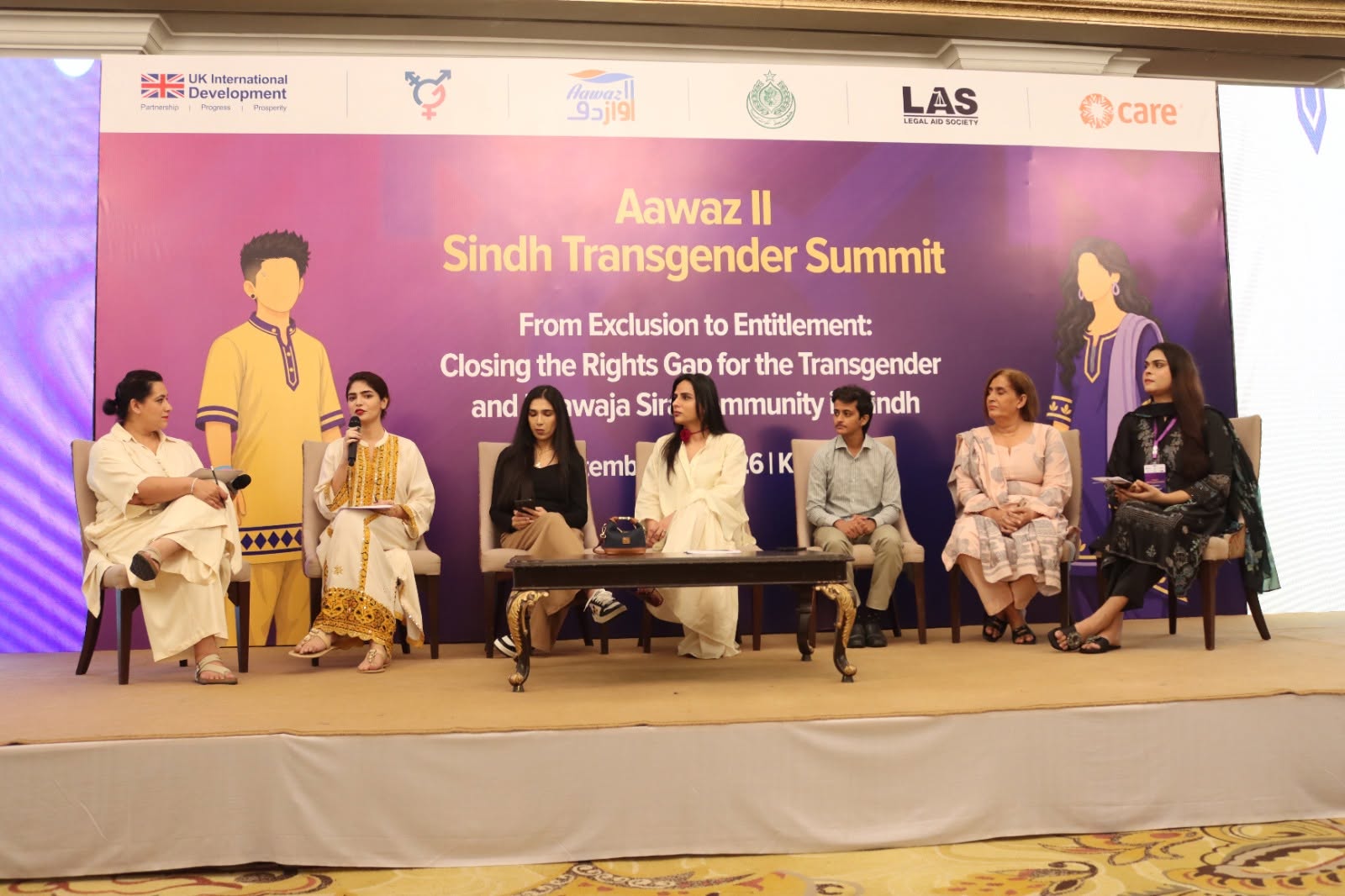
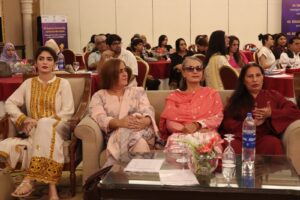
The summit also featured a panel discussion on challenges faced by the community.
Advocate Maliha Zia of LAS moderated the discussion. Shahzadi Rai, Kami Chaudhry, Sanam Fakeer, Dr Sara Gill, Rayhan Muqadam and Aradhiya Khan joined the panel.
The speakers discussed emergency safe houses and education. They also raised concerns over employment, healthcare, social protection and police services.
Other issues included recognition of the traditional Guru system and government-funded vocational training programmes.
Five-Point Charter of Demands
Aradhiya Khan presented a five-point charter on behalf of the Khawaja Sira community in Sindh.
The charter calls for:
Safe Homes: Establish emergency safe houses managed by transgender-led organisations.
Education for All: Fully implement Sindh’s Transgender Education Policy, including scholarships and protection from discrimination.
Equal Employment: Enforce the 0.5% government job quota and remove discriminatory medical certification requirements.
Healthcare with Dignity: Establish dedicated wards in public hospitals and provide sensitive, gender-affirming care.
Social Protection: Include registered Khawaja Sira individuals in BISP and provide immediate financial assistance.
Sindh Government Pledges Action
Munawar Ali Mithani, Secretary of the Sindh Social Welfare Department, acknowledged gaps between legal commitments and the community’s experiences.
He said the provincial government was committed to action across the five areas outlined at the summit.
“Things can be done when we put our heads together,” Mithani said. He called for cooperation among government departments, NGOs, civil society and the transgender community.
He also highlighted the need for safe spaces, skills development, education and employment opportunities.
Amir Ali Khan, Director General of NADRA, reaffirmed the authority’s commitment to working with the Social Welfare Department and relevant stakeholders.
He said NADRA would work to identify gaps, improve registration and expand access to services.
Calls for Stronger Institutional Accountability
Adil Sheraz, Country Director of CARE Pakistan, described the summit as an important step towards translating legal rights into practical outcomes.
He said lasting change would require community participation and stronger institutional accountability.
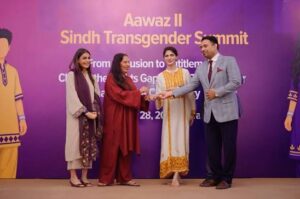
Haya Emaan Zahid, CEO of the Legal Aid Society, called the summit a shift from consultation towards commitment.
She urged government departments to use the Commitment Tracker as a roadmap for implementation. She also reaffirmed LAS’s commitment to legal aid, monitoring and advocacy.
The summit concluded with a call for sustained action to close the implementation gap and build a rights-centred system for the Khawaja Sira community across Sindh.