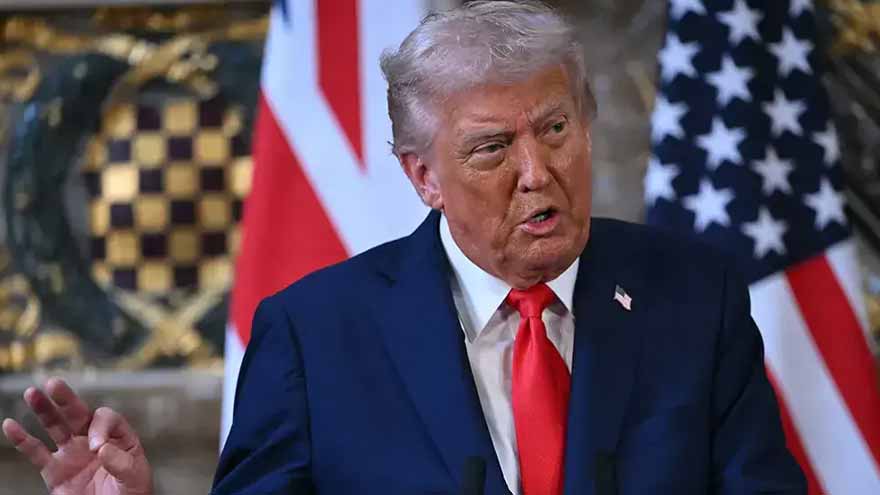
The Trump-Iran War has entered its sixth month, placing US President Donald Trump under growing pressure to end a conflict he once predicted would last only a few weeks.
Wildberries Ukraine Drone Strikes Disrupt Russia’s E-Commerce Network
A fresh round of diplomacy and military threats has highlighted the difficult choices facing the White House. Trump must either support an emerging Iran-Oman agreement on the Strait of Hormuz, escalate military action or continue the current strategy without a clear exit plan.
Hormuz Deal Could Shift Regional Balance
Analysts say the proposed agreement would give Iran greater influence over shipping through the Strait of Hormuz than it held before the conflict. The waterway carries about one-fifth of global oil and liquefied natural gas shipments.
A US official told Reuters that any temporary shipping arrangement should allow vessels to pass freely without oversight by any single country.
US Secretary of State Marco Rubio has repeatedly insisted the strategic waterway must remain open, free of tolls and outside Iranian control.
Military Escalation Carries Political Risks
Trump has warned Iran of tougher military action if diplomacy fails. However, analysts believe another wave of airstrikes could deepen the conflict without guaranteeing success.
The prolonged war has also become a political challenge ahead of November’s US midterm elections. Rising fuel prices and public opposition to the conflict have narrowed the president’s options.
Experts believe the administration may have to accept compromises that appeared unlikely earlier in the war.
Peace Talks Face Major Obstacles
Washington hopes reopening the Strait of Hormuz will revive negotiations focused on Iran’s nuclear programme. However, analysts remain doubtful that both sides can reach a lasting peace agreement.
Previous understandings between Washington and Tehran collapsed despite limited sanctions relief, raising questions about future negotiations.
Iran has also warned Gulf states that any fresh US military action would trigger retaliation against regional energy infrastructure.
Analysts Urge Caution
Foreign policy experts say the conflict has prevented Trump from achieving several of his original objectives, including weakening Iran’s regional influence and ending hostilities quickly.
Some analysts argue that China, Russia and North Korea are closely watching the conflict to assess US military and diplomatic capabilities.
Others have urged the Trump administration to avoid rushed decisions and focus on areas where Washington retains strategic leverage.