
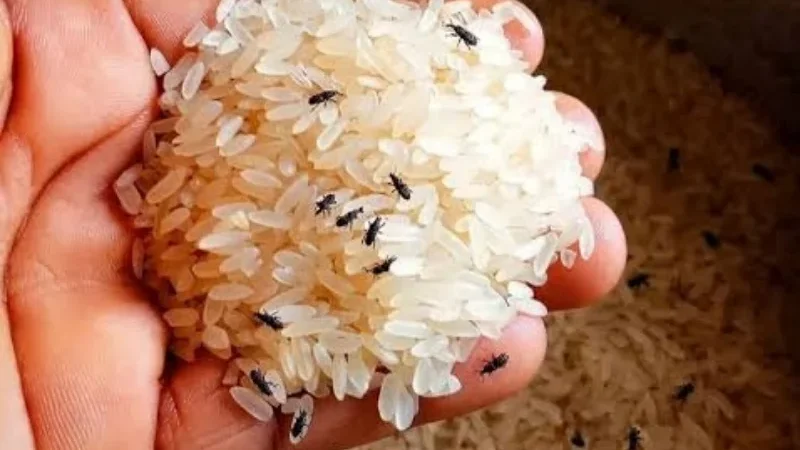
Storing rice properly can help prevent insects, moisture and spoilage, particularly in humid weather. A few simple rice storage habits can keep the staple fresh and easier to use for longer periods.
After opening a package, transfer the rice to a clean, dry and airtight container. Glass, stainless steel or food-grade plastic containers with secure lids can help protect rice from moisture, dust and pantry insects.
Keep the container tightly sealed whenever the rice is not being used. Limiting exposure to moisture is one of the simplest ways to reduce the risk of pests and spoilage.
The storage location also matters. Rice should be kept in a cool, dry cupboard away from direct sunlight, water and areas with high humidity.
Avoid placing rice near stoves or other appliances that generate heat. Heat combined with moisture can create conditions that may encourage insect activity.
Bay leaves are sometimes used as a household method to discourage pantry insects because of their strong scent. Clean and completely dried neem leaves are also traditionally used to protect stored grains.
However, these methods should be treated as household precautions rather than replacements for proper food storage. Any leaves placed inside a rice container should be clean and completely dry.
Rice should also be checked regularly rather than left unattended for long periods. Look for insects, moisture, unusual clumping or other signs of spoilage.
Early detection can help prevent a pest problem from spreading to other grains and stored foods.
Faysal Quraishi Shares Fitness Tips With Sparrow Butt
When adding a fresh supply of rice, follow the “first in, first out” approach by using the older batch before opening the new one.
Avoid mixing new rice with an older batch if the older supply shows signs of insects or contamination. Containers should also be washed and completely dried before they are refilled.
Buying rice according to household needs can make storage easier. Although bulk purchases may be convenient, smaller quantities can be easier to monitor and use before storage problems develop.
Simple habits such as airtight storage, avoiding moisture and heat, checking rice regularly and using older supplies first can help preserve its quality for longer.