
Karachi: Stakeholders in Pakistan’s renewable energy sector have called on the Engineering Development Board (EDB) to significantly reduce taxes and duties on lithium battery cells in order to promote domestic manufacturing and accelerate the country’s transition toward green energy.
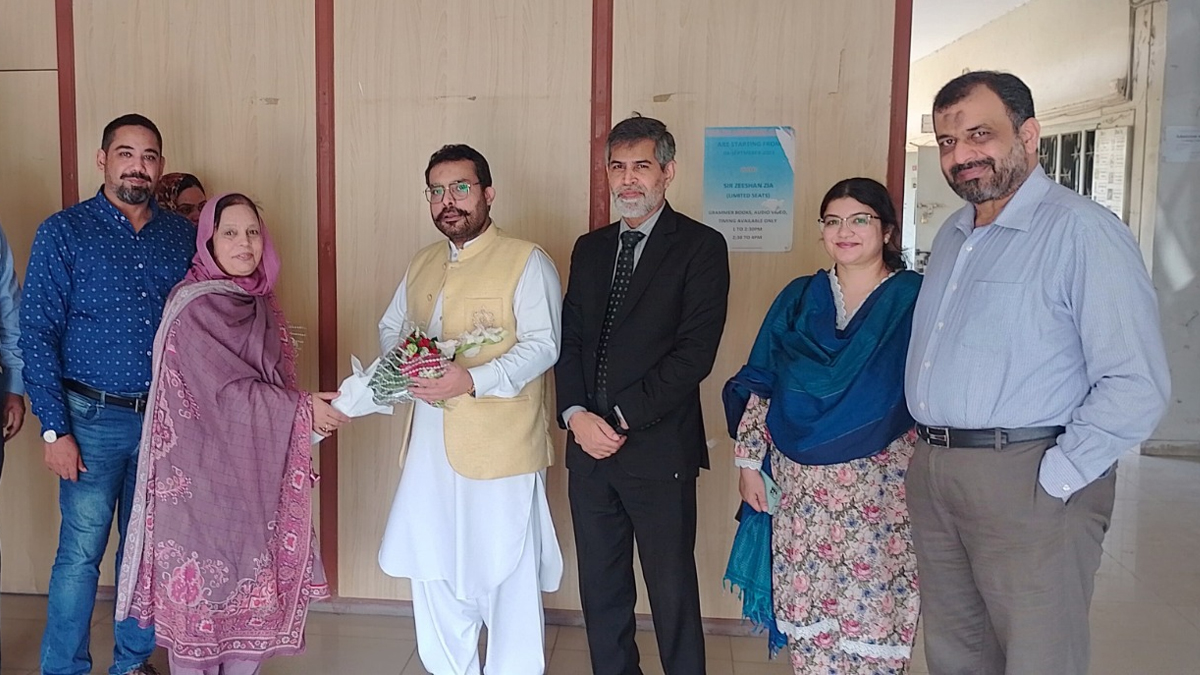
Chairman of the Pakistan Renewable Energy Development Forum (PREDF), Irfan Allahawala, said the government should encourage import substitution by creating a level playing field and offering an investor-friendly environment for companies interested in assembling and manufacturing lithium batteries locally.
In a letter sent to the Engineering Development Board, he stated that lithium battery cells currently face taxes and duties of nearly 50 percent, making local battery assembly commercially unviable and discouraging investment in the sector.
According to the letter, elevated taxes have kept battery prices high in local markets, slowing Pakistan’s transition from expensive conventional electricity sources to cleaner and more sustainable energy solutions.
The forum proposed expanding the use of renewable energy sources such as solar and wind power across households, factories, offices, buses, cars, motorcycles, and other sectors to reduce reliance on imported petroleum products and LNG. It also urged the government to rationalize taxes and introduce policies that attract investment into the renewable energy industry.
Industry representatives argued that affordable lithium batteries could significantly reduce dependence on fuel-powered transport, lower Pakistan’s import bill, and encourage local manufacturing along with technology transfer.
The letter highlighted that Pakistan imported around 26,000 megawatts worth of solar panels between 2022 and 2024, all of which require battery storage systems. It added that lithium-ion battery imports reached 1.25 GWh in 2024 and are expected to rise to between 2.5 and 3 GWh in 2025.
Stakeholders believe that reducing the cost of lithium batteries would not only support renewable energy adoption but also help ease inflationary pressure linked to high energy costs while attracting greater investment into Pakistan’s clean energy market.