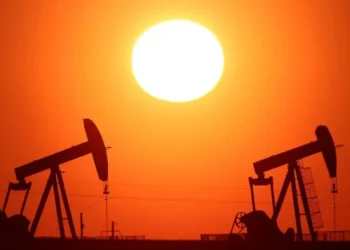

Oil prices slipped on Friday as markets weighed hopes for a US-Iran truce against growing supply risks from attacks on Saudi Arabia.
Brent crude fell 87 cents, or 0.82%, to $105.73 a barrel at 0212 GMT. West Texas Intermediate (WTI) dropped $1.56, or 1.65%, to $93.05.
The decline followed a volatile week for global energy markets. Both benchmarks climbed as much as 5% on Thursday. Brent settled 3.4% higher, while WTI gained 2.7%.
Brent recorded its highest close since September 15. WTI also posted its first daily gain after falling for six straight sessions.
The two benchmarks have also moved further apart. The Brent-WTI spread reached $12.68, its widest level since May. Analysts linked the gap partly to concerns that the United States could restrict diesel exports, potentially increasing domestic supply and weighing on US crude prices.
“The unusually wide WTI-Brent spread also reflects the different regional risk profiles at play,” said Tim Waterer, chief analyst at KCM Trade.
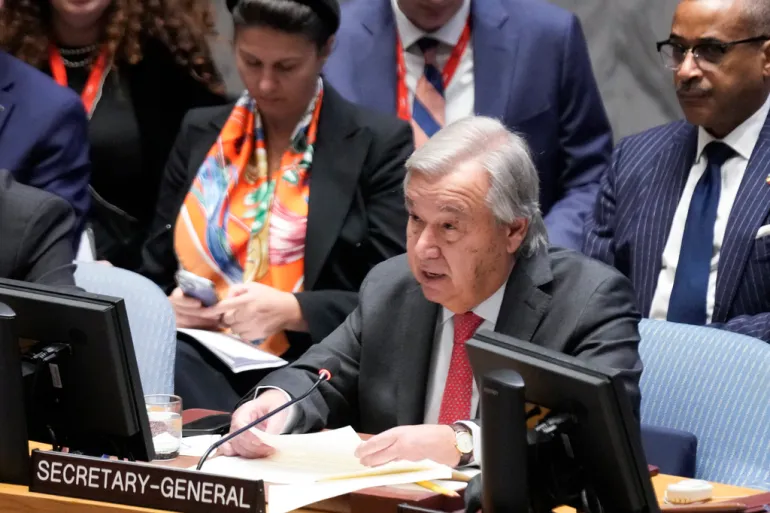
Markets are also watching diplomatic efforts between Washington and Tehran. US and Iranian negotiators in New York are exploring a phased path toward ending the conflict. The discussions could involve Iran reopening the Strait of Hormuz and Washington easing its economic blockade of Iran.
Pakistan Forex Reserves Rise as Gold Prices Fall for Fifth Session
The Strait of Hormuz remains crucial to global energy markets. Around one-fifth of the world’s oil and gas shipments have been curtailed since the conflict began in late February, according to Reuters.
Iranian President Masoud Pezeshkian said on Thursday that Washington must decide whether it wants to end the conflict. His comments came during an interview with Fox News host Bret Baier.
At the same time, regional security risks remain high. Saudi Arabia said it intercepted six ballistic missiles launched by Yemen’s Houthis. The attacks targeted areas including Taif and the Yanbu region, according to the Saudi-led coalition in Yemen.
The attacks have raised fresh concerns over Saudi oil infrastructure. “Critical oil assets remain firmly in the firing line,” Waterer said.
Saudi Arabia is increasing crude flows through its East-West Pipeline to the Red Sea export hub of Yanbu. However, crude tanker loadings from the port have yet to fully resume, according to industry sources, satellite imagery and shipping data.
The conflicting signals have kept oil markets volatile. Diplomatic progress could ease pressure on global supply, while further attacks on Gulf energy infrastructure could create new disruptions.