Oil Prices edged lower on Thursday as traders assessed the flow of oil shipments from the Middle East despite escalating conflict between the United States and Iran.
Fahad Sheikh Actor Denies Mistreatment Allegations Involving Syed Mohammad Ahmed
Brent crude futures fell $1.29, or 1.42%, to $89.45 a barrel. Meanwhile, US West Texas Intermediate (WTI) crude dropped 56 cents, or 0.66%, to $83.90 a barrel.
However, both benchmarks remained near recent highs after posting strong gains in the previous session. Brent rose 7.91%, while WTI advanced 6.56%, reversing a sharp decline recorded earlier in the week.
Alternative Shipping Routes Support Supply
According to preliminary shipping data, 39 commodity vessels passed through the Bab el-Mandeb Strait into the Red Sea on Tuesday. That marked the highest daily traffic since July 19.
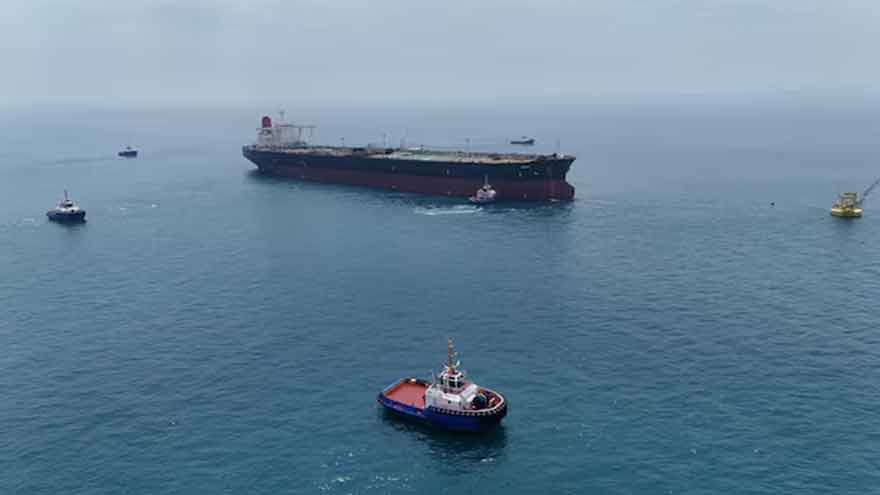
At the same time, only a limited number of ships transited the Strait of Hormuz.
Furthermore, market analysts said oil exports continue through alternative routes despite disruptions in the Gulf.
IG market analyst Tony Sycamore said the longer the situation continues, the more alternative transport routes could reduce Iran’s influence over the Strait of Hormuz.
Hormuz Remains a Key Concern
The Strait of Hormuz remains the world’s most important oil shipping route. Before the conflict, it carried nearly one-fifth of global oil and gas supplies.
However, the waterway has remained largely blocked since the US-Iran conflict intensified in February despite ongoing diplomatic efforts.
Meanwhile, Iran rejected an Omani proposal for joint regional management of the strategic shipping lane.
Regional Conflict Expands
Meanwhile, military tensions continued to escalate across the region.
The United States and Saudi Arabia carried out joint strikes against Iran-backed paramilitary groups in Iraq after drone attacks targeted Saudi oil facilities.
In addition, Iran said it launched missiles at US military bases in Jordan and targeted three tankers passing through the Strait of Hormuz.
Furthermore, Saudi Arabia is reportedly seeking to build an international coalition to protect shipping in the Red Sea from Houthi attacks.
Energy Markets Remain Volatile
The Iran-backed Houthi movement previously announced a naval blockade on Saudi Arabia in the Red Sea, expanding attacks on commercial shipping through the Bab el-Mandeb Strait.
As a result, investors continue to monitor geopolitical developments closely.
Meanwhile, energy markets remain highly volatile as uncertainty over regional security and global oil supplies persists.