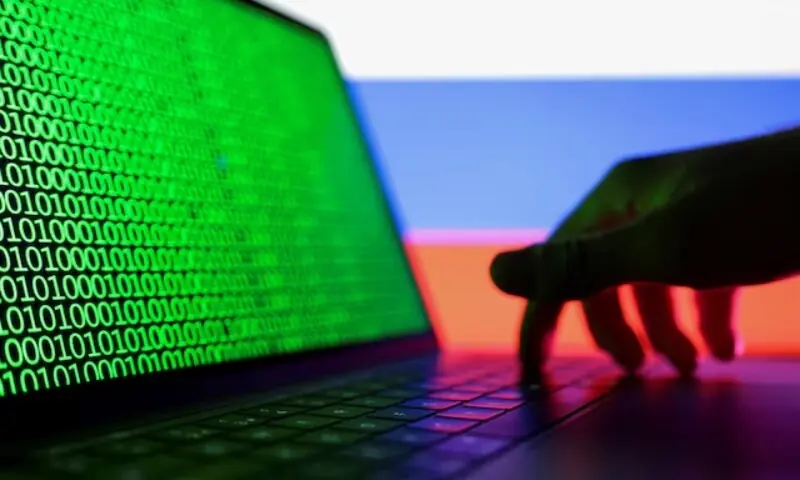
Kaspersky has revealed alarming trends in password security after analysing 231 million leaked passwords between 2023 and 2026.
According to the report, nearly 68 percent of modern passwords can be cracked within a single day.
Common Password Habits Increase Risk
The research found that most compromised passwords either begin or end with digits. As a result, hackers can crack them more easily through brute-force attacks.
In addition, many users rely on predictable symbols such as “@” and “.” in their passwords.
The report stated that the “@” symbol appeared in 10 percent of leaked passwords. Meanwhile, the dot symbol appeared in around three percent.
Furthermore, Kaspersky found that 53 percent of analysed passwords ended with numbers, while 17 percent started with digits.
Nearly 12 percent also contained date-like number sequences between 1950 and 2030.
Moreover, around three percent included keyboard patterns such as “qwerty” or “ytrewq.”
However, simple number combinations like “1234” remained the most commonly used password pattern.
AI Makes Password Cracking Faster
Kaspersky warned that traditional password rules no longer guarantee strong protection against modern cyberattacks.
According to the report, artificial intelligence now helps attackers crack passwords much faster than before.
The company revealed that short passwords with up to eight characters are usually cracked in less than a day.
More concerningly, AI-powered tools can now break over 20 percent of 15-character passwords within a minute.
Trending Words Also Common in Passwords
The study also showed that users often choose emotional or trending words for passwords.
For example, the word “Skibidi” appeared 36 times more frequently in recent years due to online trends.
Positive words such as “love,” “magic,” “friend,” “angel,” and “star” also appeared regularly in leaked passwords.
At the same time, some users selected darker words like “hell,” “devil,” and “nightmare.”
Experts Advise Using Random Passwords
Alexey Antonov warned that predictable symbols and number patterns make passwords easier to crack.
He advised users to avoid obvious number placements and keyboard sequences.
Furthermore, Antonov recommended using password generators that create random combinations of letters, symbols, and numbers.
According to him, random passwords offer much stronger protection against brute-force and AI-driven attacks.