Iran Crisis tensions have intensified after US President Donald Trump said no talks were taking place with Tehran and insisted that the Strait of Hormuz remained open.
Iran, however, maintains that the strategic waterway remains closed to shipping until the United States meets conditions linked to an interim agreement. The conflicting claims have added uncertainty for global energy markets.
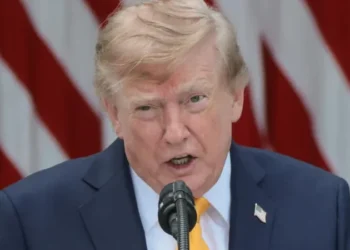
Trump said on Tuesday that no discussions with Iran were taking place or scheduled. He also said the US naval blockade remained in force and claimed that mines in the Strait of Hormuz had been removed or detonated.
The comments came a day after Jared Kushner, Trump’s son-in-law and special envoy, said negotiations with Iran were still active and had become more substantial.
Hormuz Dispute Raises Shipping Concerns
The disagreement has kept pressure on shipping through the Strait of Hormuz.
Recent data showed only six commodity vessels crossed the waterway on Tuesday. That was down from nine the previous day and below the recent daily average of 11. Many shipowners have avoided the route because they remain uncertain about its safety and reopening.
Korea Drills US and South Korea Cut Joint Military Exercise to Five Days
Iranian negotiator Mohammad Baqer Qalibaf said the strait would remain closed until Washington met Tehran’s conditions.
Those demands include ending the US blockade of Iranian ports, lifting oil sanctions, releasing frozen Iranian assets and stopping military operations against Iran.
Meanwhile, the UK Maritime Trade Operations reported that a vessel was struck by an unidentified projectile while leaving the Strait of Hormuz. The incident caused damage to the engine room and left one crew member injured, according to the report.
UAE Reports Missile Launches
Tensions also increased after the United Arab Emirates said it detected two ballistic missiles launched from Iran.
The UAE Defence Ministry later said the missiles appeared to target maritime traffic. Both missiles fell into the sea.
Iranian Foreign Ministry spokesperson Esmaeil Baghaei rejected the UAE’s claims as baseless.
The UAE has also suspended trade activities, exchanges and financial transactions with Iran until further notice. The government cited regional escalation and concerns over peace and security.
Direct cargo shipping between the UAE and Iran had resumed only recently through Dubai’s Jebel Ali Port.
Ceasefire Deadline Expires
The latest escalation follows the expiration of a temporary ceasefire agreement on Monday.
A June memorandum had given the United States and Iran 60 days to negotiate a broader agreement covering Tehran’s nuclear programme and US sanctions. The deadline expired without a wider settlement.
The agreement also called for an immediate and permanent end to military operations.
However, disagreements over the Strait of Hormuz quickly undermined the arrangement.
The conflict has severely disrupted shipping through the waterway. The route is a major channel for global energy supplies, making any prolonged disruption a major concern for oil markets.
Iran Says It Remains Open to Dialogue
Iranian officials say Tehran remains willing to negotiate, but they reject any talks they view as surrender.
Mohammad Mokhber, an adviser to Iran’s supreme leader, said Iran would continue defending its security, interests and allies.
At the same time, Iranian officials are concerned that additional US sanctions could deepen the country’s economic difficulties and increase domestic pressure.
The conflict has already caused thousands of deaths, mainly in Iran and Lebanon, while strikes and military operations have affected several countries across the region.
Oil Prices Rise on Uncertainty
The diplomatic stalemate has also affected global markets.
Brent crude climbed to around $91 a barrel on Tuesday and remained elevated as uncertainty over Hormuz continued. On Wednesday, oil prices reached a three-week high as traders assessed the continuing disruption and limited shipping through the waterway.
Higher energy prices have raised concerns about inflation and the longer-term economic impact of the conflict.
The United States has also warned that it could impose additional economic pressure on Iran.
For now, the conflicting positions over the Strait of Hormuz remain a major obstacle to renewed US-Iran diplomacy, while global markets continue to monitor developments closely.