Iran said on Wednesday that it had attacked 10 ships near the Strait of Hormuz after the United States sank five Iranian oil tankers, marking the largest reported wave of retaliatory attacks on shipping by both sides since the six-month-old conflict began.
The attacks sent global oil prices higher, with benchmark Brent crude futures rising above $100 a barrel for the first time since July. At least one seafarer was reportedly killed and another remained missing after an incident involving a tanker.
Iran also said it had launched ballistic missiles at a base used by US forces near Al Azraq in eastern Jordan. The latest strikes come after weeks of relative calm ended with renewed attacks on military, shipping and energy infrastructure by both Washington and Tehran.
Iran’s Islamic Revolutionary Guard Corps (IRGC) warned that it would significantly intensify its response to further attacks. The Guards said that if the US carried out two or three attacks, Iran would respond against 20 targets.
The IRGC also said it planned to release maps showing a newly expanded restricted maritime zone extending toward Chabahar, near Iran’s southeastern coastline close to Pakistan.
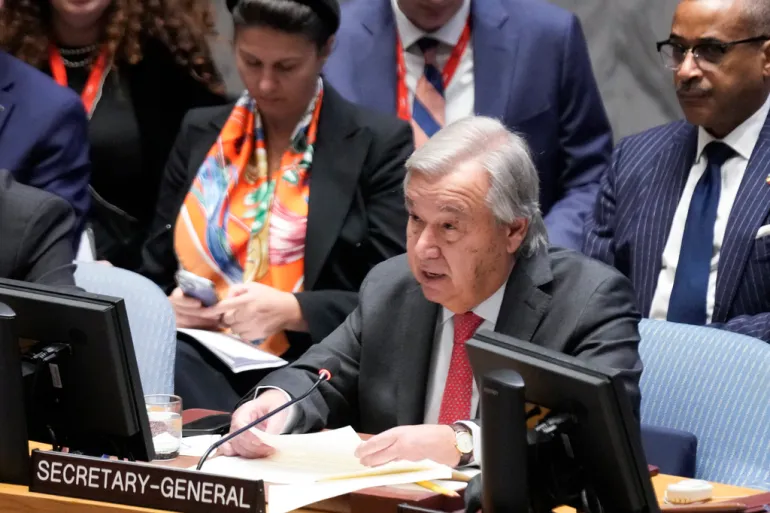
UN Secretary-General Antonio Guterres called on all sides to exercise maximum restraint and avoid further escalation around the strategically important Strait of Hormuz.
Yemen Security Situation Worsens as Defence Minister Reportedly Surrounded
The conflict has also intensified elsewhere in the region. Fighting between Saudi Arabia and the Iran-aligned Houthi movement in Yemen has raised additional concerns over the security of Middle Eastern energy supplies.
US Says Five Iranian Tankers Destroyed
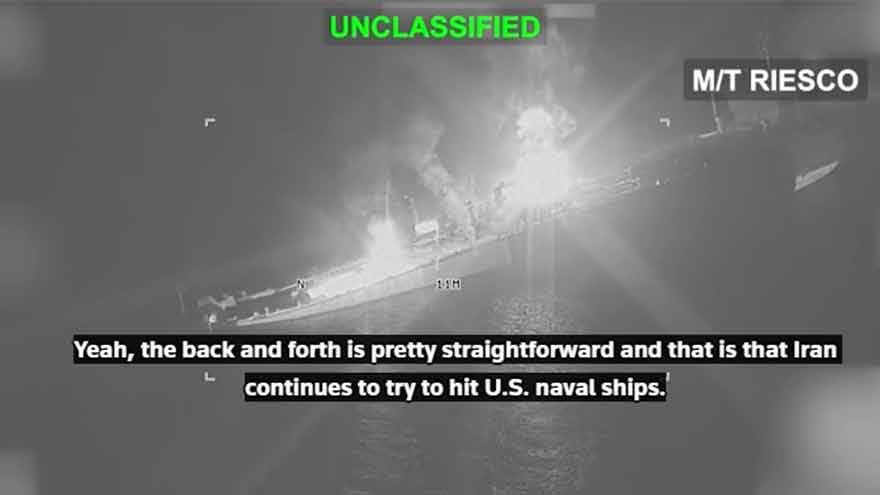
The United States said it destroyed five Iranian oil tankers overnight and released footage showing vessels on fire before sinking. US Central Command said the strikes were carried out in response to attacks by the IRGC on a US Navy warship with ballistic missiles over two consecutive days.
The US said no American personnel were injured.
Washington has announced a policy of targeting Iranian tankers in response to attacks threatening US warships. Secretary of State Marco Rubio said the United States had destroyed 10 Iranian tankers over the previous week.
Iran said it responded by attacking two US vessels and eight tankers.
One crew member aboard the oil-products tanker Hercules Star was killed while the vessel was anchored off Dubai, according to its charterer, Peninsula. Another crew member was reported missing. Maritime security sources said the tanker may have been struck by a drone.
The UK Maritime Trade Operations agency reported that a vessel in the area was listing and may have been taking on water after being hit by a projectile. It was not immediately clear whether the report referred to the Hercules Star.
Iraqi port officials also said the New Andros, a tanker carrying about 2 million barrels of fuel oil, caught fire after reportedly being hit by a drone in Iraqi waters. No casualties were reported among its 22 crew members.
The UK maritime agency said it had received reports of several merchant vessels being struck by disabling fire in the northern Gulf and Gulf of Oman.
Iranian state media also reported threats against oil tankers in Kuwaiti and Bahraini ports. A maritime security source said an LNG tanker was damaged at the Emirati port of Khor Fakkan.
Missile Strike Reported in Jordan
The IRGC said it fired ballistic missiles at a military base used by US forces near Al Azraq in eastern Jordan.
Jordanian authorities said their air defences intercepted 18 of 20 Iranian missiles, while two landed harmlessly in unpopulated areas. A US official said the attack was ineffective and confirmed that all American personnel were accounted for.
Later on Wednesday, an explosion was reported in the southern Iranian port city of Jask. Iran’s Fars news agency said the blast came from the sea but provided no immediate details about its cause.
Hormuz Shipping Disrupted
The renewed fighting has further disrupted traffic through the Strait of Hormuz, one of the world’s most important energy routes. The waterway carried around one-fifth of global oil supplies before the conflict.
Rystad Energy chief economist Claudio Galimberti said oil flows through the strait had fallen to around 2 million barrels per day, down from 8 million to 9 million barrels per day during the week before fighting resumed on August 30.
The impact has extended beyond crude oil. US diesel prices climbed to a record average above $5.94 a gallon on Wednesday, adding pressure on consumers and businesses.
Meanwhile, escalating clashes between Saudi Arabia and the Houthis have created another major risk for regional energy markets.
The Houthis launched attacks on four Saudi cities on Tuesday, causing large fires at oil facilities that were reportedly visible from space. Saudi authorities said 73 people were wounded.
Saudi Arabia issued further alerts in two affected cities on Wednesday before later announcing that the immediate threat had passed.
The Saudi-backed Yemeni government has meanwhile launched a multi-front offensive against Houthi-controlled areas. The Iran-aligned group controls much of Yemen’s populated territory and has threatened shipping linked to Saudi Arabia in the Red Sea.