ISLAMABAD: The International Monetary Fund (IMF) has continued discussions with Pakistan on economic reforms, including monetary policy, gas tariffs, privatization and taxation.
The IMF mission was scheduled to receive a briefing on monetary policy on Tuesday, according to sources. Talks on the draft Memorandum of Economic and Financial Policies (MEFP) also began the same day.
The two sides are working to reach a consensus on the draft agreement. The IMF mission is also expected to hold further meetings with Finance Ministry officials.
Officials from the Petroleum and Privatization ministries are also scheduled to meet the IMF team.
Gas Tariffs and DISCO Privatization
The gas tariff structure is expected to be discussed during the IMF mission’s meeting with Petroleum Ministry officials.
Talks with the Privatization Ministry are expected to focus on the proposed privatization of power distribution companies, known as DISCOs.
The discussions will also cover line losses in the power distribution system, sources said.
Negotiations between the IMF mission and the Federal Board of Revenue (FBR) have already been completed, according to the sources.
IMF, Sindh Disagree Over Sugar Policy
The IMF has maintained its demand for a sugar policy across all four provinces.
Sindh has opposed the proposal, arguing that sugar policy falls under provincial jurisdiction.
“The sugar policy is a provincial matter, which we will handle ourselves,” sources quoted the Sindh government as saying.
The disagreement remains part of the ongoing negotiations between Pakistan and the IMF.
Fuel Subsidy to Continue for Existing Consumers
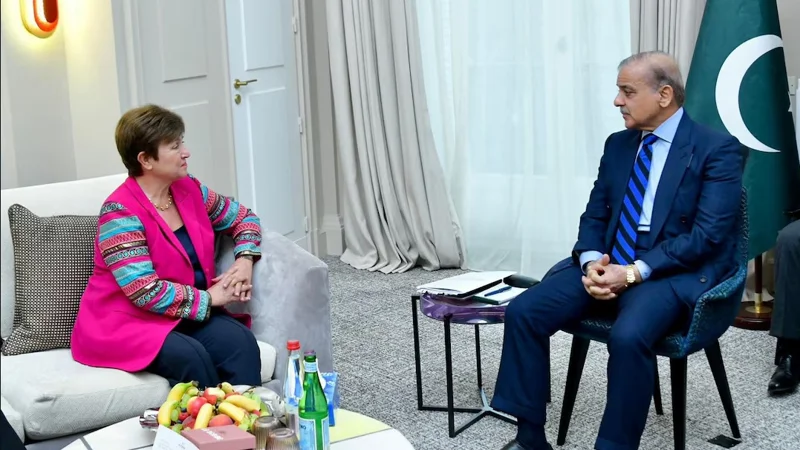
The IMF has agreed to allow Prime Minister Shehbaz Sharif’s fuel subsidy to continue for existing consumers, according to the sources.
However, the fund has reportedly asked Pakistan not to add any new consumers to the petrol subsidy programme.
The condition would restrict the expansion of the existing subsidy while allowing current beneficiaries to retain the facility.
IMF Seeks Changes to Auto Policy
The IMF has also raised objections to tax concessions under Pakistan’s auto policy.
The fund has called for an end to certain tax exemptions, including the sales tax concession for electric vehicles (EVs).
According to the sources, the IMF considers EVs a luxury rather than an essential product for low-income consumers. It has therefore called for the removal of their concessional tax treatment.
The government is preparing a revised draft of the auto policy in response to the IMF’s concerns.
The revised policy will be presented to Prime Minister Shehbaz Sharif after officials brief him on the fund’s objections.
EV Sales Tax Could Rise to 18%
The government may remove the concessional sales tax rate for electric vehicles and apply the standard rate instead.
If approved, the sales tax on EVs could rise from 1% to 18%.
The tax on electric vehicle charging stations could also increase from 1% to 18%, according to the sources.
The change would significantly increase the tax burden on EV buyers.
For example, a Rs10 million electric vehicle currently subject to a 1% sales tax would incur Rs100,000 in tax.
At an 18% rate, the same vehicle would carry Rs1.8 million in sales tax.
Negotiations between Pakistan and the IMF on the loan programme remain ongoing. The final policy measures will depend on the outcome of the continuing discussions.