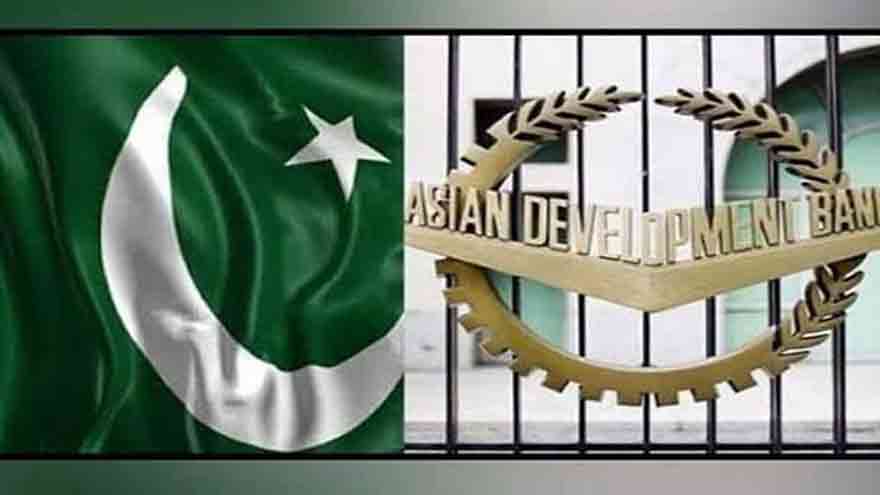
The Asian Development Bank (ADB) has projected Pakistan’s economic growth at 3.7% in fiscal year 2027, below the government’s 4% target, while warning that inflation could rise to 8.3% amid higher costs and external economic risks.
In its Asian Development Outlook September 2026, the ADB said Pakistan’s gross domestic product growth was expected to remain at 3.7% in FY2027. The projection matches the growth recorded during the previous fiscal year but falls short of the government’s target.
The bank forecast average inflation at 8.3% in FY27, above the official estimate of 7% and higher than the State Bank of Pakistan’s medium-term target range of 5% to 7%.
According to the ADB, elevated energy, logistics and agricultural input costs are expected to continue putting pressure on domestic prices. The bank also warned that developments in the Middle East could create additional economic challenges for Pakistan.
Taylor Swift Announces New Single ‘Patient Zero’ After Fan Theories
A further escalation of the Middle East conflict could increase Pakistan’s energy import costs and fuel domestic inflation. The ADB also noted that weaker employment conditions in Gulf countries could reduce remittance inflows from Pakistani workers.
The bank identified a possible return to austerity measures as another downside risk. It said tighter government spending could weaken domestic demand and economic activity if expenditure restraint is greater than anticipated.
Pakistan also faces other risks, including tighter global financial conditions, weaker-than-expected tax collection, climate and weather shocks affecting agriculture, and delays in reforms involving the energy sector and state-owned enterprises.
The ADB said maintaining momentum on structural reforms would be important for improving Pakistan’s fiscal and external position while supporting investor confidence.
Pakistan’s economy showed signs of recovery during FY2026, which ended on June 30, with growth rising to 3.7% from 3.2% a year earlier. The recovery was supported by resilient services, improved industrial production, a rebound in agriculture and stronger private-sector investment.
However, economic activity weakened during the final quarter, partly reflecting the impact of the Middle East conflict.
The ADB said stronger foreign-exchange buffers, continued reforms, renewed access to international capital markets and improvements in Pakistan’s sovereign credit ratings could strengthen investor confidence and encourage private investment.
At the same time, the bank warned that persistently high energy costs and uncertainty in the external environment could limit the pace of Pakistan’s economic expansion.