By: Sadriddin Suyarov
Dunyo IA
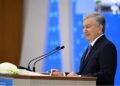
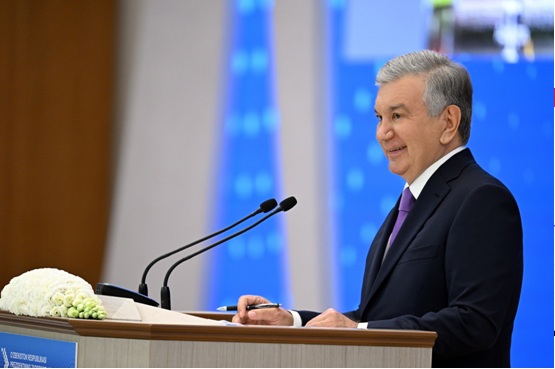
Uzbekistan is expanding measures aimed at strengthening its business environment and attracting long-term investment, following President Shavkat Mirziyoyev’s open dialogue with entrepreneurs in Khiva, Khorezm Region, on August 18.
The government says the latest measures are designed to improve access to finance, reduce administrative barriers, strengthen protection for private property and support companies seeking to expand into international markets. The Khiva meeting brought together entrepreneurs from across Uzbekistan, with around 25,000 business representatives participating through regional studios.
The dialogue comes as Uzbekistan continues efforts to increase private-sector activity and integrate domestic businesses into international markets. According to the Uzbek presidency, the country’s business community now numbers about 1.2 million members, while 84 laws and 861 presidential decrees and resolutions have been adopted over the past five years in response to issues raised through the entrepreneur dialogue process.
Among the measures announced in Khiva is expanded financial support for businesses. The government plans to strengthen the role of the Entrepreneurship Development Company and increase access to financing for small and medium-sized enterprises and other businesses.
Support is also being directed toward startups and companies with high growth potential. The government has previously announced preferential financing and investment programmes designed to help innovative businesses develop and reach international markets.
Export-oriented businesses are another focus. Uzbekistan has been promoting higher-value production and seeking to increase the international reach of domestic companies. At the Tashkent International Investment Forum earlier this year, the government also outlined plans to attract foreign investment into manufacturing, infrastructure, tourism, technology and other sectors.
Tax administration and the relationship between businesses and regulatory authorities were also central to the reform agenda. The government has said it wants to reduce unnecessary administrative pressure and provide greater predictability for entrepreneurs.
The latest measures form part of a broader effort to create a more consistent regulatory environment for private businesses and investors. Uzbekistan has also maintained its policy of keeping key tax rates unchanged in 2026 while allocating substantial resources to entrepreneurship and small and medium-sized businesses.
Green investment is another area of growing importance. Uzbekistan has outlined plans to expand renewable energy, improve energy efficiency and encourage investment in technologies that reduce environmental impact. At the Tashkent International Investment Forum, the government said it aims to raise the share of green energy in total electricity generation to 54 percent in the coming years.
The Khiva dialogue also highlighted regional development. The government is seeking to spread investment and industrial activity beyond Tashkent by improving infrastructure and developing regional business clusters.
Khorezm has already attracted significant investment, according to the Uzbek presidency. Officials said the region had received $4 billion in foreign investment in recent years, while 10,000 new production facilities had been launched. Small businesses account for 72 percent of the region’s economy and 81 percent of its exports, according to government figures.
Infrastructure development is also being linked to investment opportunities. Following the Khiva dialogue, Mirziyoyev inspected a newly built highway connecting Urgench and Khiva. The 35-kilometre road is designed to improve transport links and reduce travel time between the two cities.
For international companies, the measures announced in Khiva form part of Uzbekistan’s broader strategy to attract capital, develop higher-value industries and expand its role in regional and global supply chains.
The effectiveness of these reforms will ultimately depend on implementation, regulatory consistency and how investors assess risks and opportunities on the ground. The government, however, continues to position entrepreneurship, foreign investment, technology and export growth as key components of Uzbekistan’s economic development strategy.