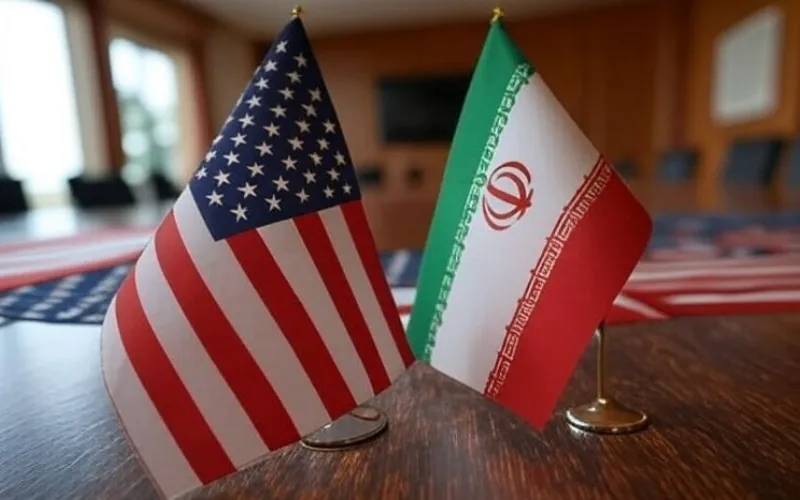
Iran Investment Fund Emerges as Key Part of US Talks
A proposed private investment initiative valued at $300 billion has reportedly secured more than half of its targeted commitments under an emerging United States–Iran framework arrangement. According to Reuters and a source familiar with the discussions, the initiative is designed to support long-term economic activity while encouraging progress toward a broader diplomatic settlement.
The proposed mechanism places Iran Investment at the center of economic engagement rather than direct public financing. Moreover, the plan remains confidential as officials continue discussions ahead of a possible signing process expected later this week. The initiative would only move forward if a final agreement is formally concluded.
US–Iran Investment Framework
According to the reported proposal, officials from the United States and Iran previously agreed on a broad framework intended to reduce tensions that escalated after military developments involving US and Israeli operations against Iran earlier this year.
The proposed arrangement reportedly includes provisions related to lifting the US blockade on Iran and reopening the Strait of Hormuz. In addition, officials described the initiative as a private-sector vehicle with no government grants or public funding attached to its implementation.
Iran Investment and Reconstruction
The proposed structure emerged after Iranian officials reportedly sought financial compensation for war-related damages. However, Washington rejected that request, leading both sides to explore an alternative approach focused on reconstruction and economic development.
This new mechanism, referred to as the Reconstruction and Development Fund, is expected to combine credit lines, loan guarantees, and direct financing. Furthermore, discussions include rebuilding infrastructure such as refineries, airports, industrial facilities, and transport networks damaged during the conflict.
Investors Join Iran Investment Talks
According to the source, investment commitments are expected from companies across the United States, Gulf countries, Asia, South America, and Africa. Target sectors reportedly include energy, manufacturing, logistics, and transport.
The source also stated that investors from South Korea, Japan, Singapore, Malaysia, and the United States are among participants. However, a complete list of contributors has not been publicly released.
Regional Diplomacy Around Framework
Officials emphasized that the proposed fund remains separate from negotiations involving sanctions relief and frozen Iranian assets abroad. Both tracks reportedly continue independently while diplomatic engagement progresses.
A White House spokesperson referred to remarks by US Vice President JD Vance, who stated that Iran could gain access to the initiative under strict conditions. These reportedly include nuclear limitations and enhanced inspection measures.
Diplomatic sources also indicated that Pakistan and Iran’s foreign ministries played a facilitating role in discussions surrounding the framework. However, no official confirmation has been issued.
Next Phase of Iran Investment
The investment fund will only become operational after a final agreement is signed. According to the reported framework, a 60-day memorandum of understanding is expected to guide project preparation and investor coordination.
During that period, administrators would reportedly work with investors and Iranian stakeholders to identify projects and establish implementation structures. Negotiations are expected to continue with a focus on sanctions policy, nuclear commitments, and wider regional security issues.