By Kashif Hasan

Rivers have always played a pivotal role in Pakistan’s history, geography, and civilisation. Sindh’s rivers, particularly the mighty Indus—revered in ancient texts as Sindhu and Abasin—are more than sources of water. They are lifelines for agriculture, culture, ecology, and human settlement. For millennia, their natural flow has sustained fertile lands, vibrant ecosystems, and thriving communities. But in recent decades, Pakistan’s dam policies have disrupted this delicate balance, endangering both the environment and Sindh’s historical legacy.
Natural Flow and Fertile Land
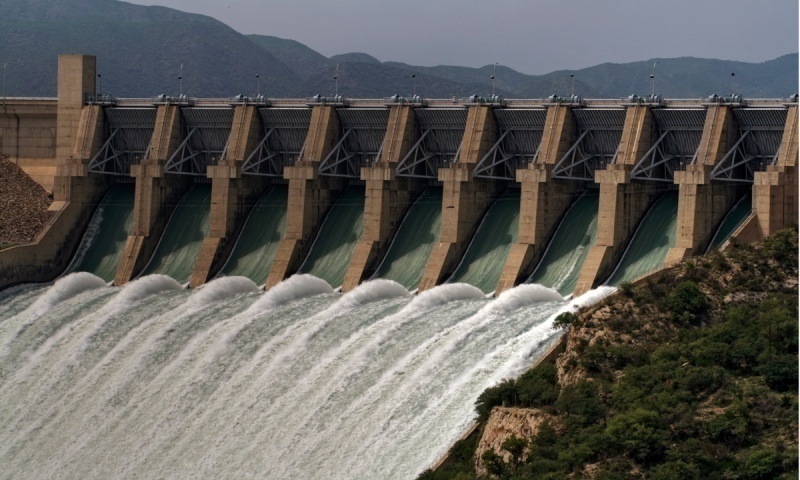
The natural flow of rivers carries silt, sand, and nutrients to the delta, enriching farmland and sustaining biodiversity. This ecological cycle has supported farmers and fishermen for centuries. However, excessive dam construction has diverted river water away from its natural course. More than five million acres of deltaic land in Sindh have turned barren due to water not reaching the sea. Experts argue that commercial interests and political expediencies have often outweighed environmental wisdom.
Environmental Implications of Dams
The obstruction of natural water flow has reduced soil fertility in the Indus Delta, disrupted underground reservoirs and lakes, threatened birds, fish, and wildlife dependent on rivers, and triggered ecological imbalance with long-term consequences. Communities that once thrived on deltaic richness now face dwindling resources, threatening both livelihoods and food security.
Historical and Cultural Dimensions
Sindh is home to one of the world’s oldest civilisations, nourished by the Indus for centuries. Fertile lands enabled agriculture, settlement, and culture to flourish. Yet, flawed dam policies threaten not only ecology but also this 5,000-year-old heritage. Environmental specialists stress that Sindh’s natural vitality predates dams and can only survive if rivers are allowed to flow freely to the sea.
Political and Social Considerations
Water policies in Pakistan are deeply sensitive, often creating inter-provincial friction. Prioritising one region’s water needs over another’s ecological balance risks environmental degradation and social unrest. Farmers, fishermen, and local communities in Sindh are the most affected by water mismanagement. Inclusive policymaking with input from experts and locals is crucial for sustainable solutions.
Expert Opinions
Hydrologists and environmentalists consistently warn against politically driven dam projects. They recommend preserving natural flows to sustain soil fertility and ecosystems, involving experts and communities in decision-making, protecting deltaic land through balanced dam usage, and safeguarding historical heritage alongside agricultural and ecological systems.
Solutions and Recommendations
- Maintain Natural Flow – Ensure water reaches the sea to replenish deltaic soil.
- Expert Consultation – Incorporate advice from hydrologists, ecologists, and locals.
- Delta Protection – Design water projects to safeguard deltaic fertility.
- Cultural Preservation – Protect Sindh’s ancient heritage when implementing dam policies.
Conclusion
Sindh’s rivers are not just waterways; they are the cradle of civilisation, sources of life, and custodians of history. Short-sighted dam policies risk eroding centuries of ecological balance and cultural heritage. Sustainable water management must strike a balance between development and preservation. Protecting Sindh’s rivers is not only a provincial responsibility but a national imperative for Pakistan’s future.