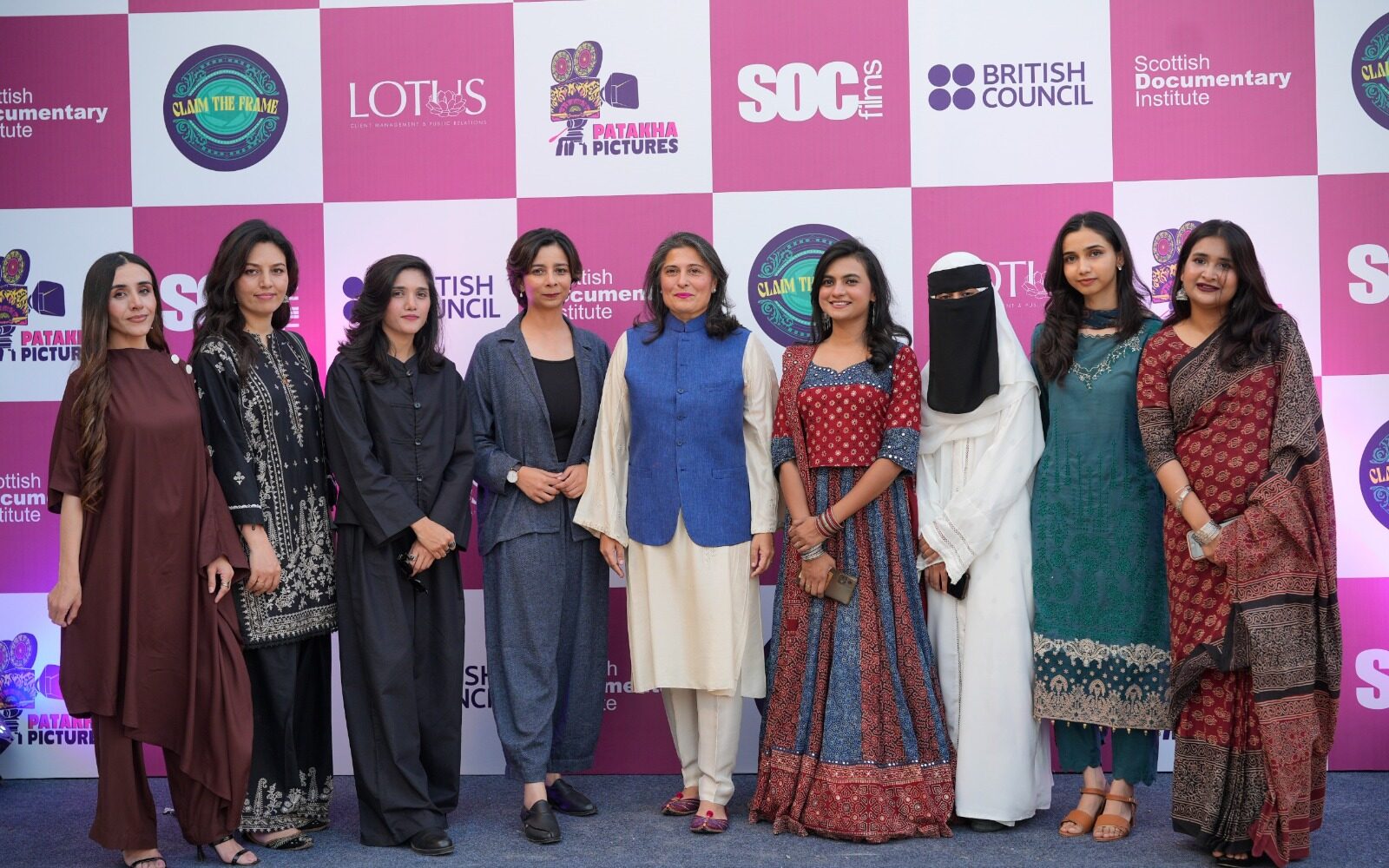
KARACHI, October 19, 2026: Two-time Academy Award-winning filmmaker Sharmeen Obaid-Chinoy has celebrated five years of Patakha Pictures, an initiative of SOC Films dedicated to nurturing Pakistan’s next generation of documentary filmmakers.
The anniversary event also showcased eight women filmmakers selected for the 2026 edition of Claim the Frame, a mentorship and funding programme designed to help emerging filmmakers develop documentaries rooted in their communities and experiences.
Since its launch in 2022, Patakha Pictures has supported 76 emerging filmmakers. Their work has collectively received more than 22 awards and screened at over 100 film festivals worldwide, according to the organisation.
Sindh Minister Says Khayyam Canal Project Aims to Improve Clifton Environment
Presented in partnership with the British Council and the Scottish Documentary Institute, Claim the Frame is now in its eighth cycle. The 2026 programme brings together filmmakers from Punjab, Sindh, Gilgit-Baltistan and Khyber Pakhtunkhwa in four creative pairs.
Sharmeen Obaid-Chinoy Highlights the Importance of Opportunity
Reflecting on the initiative’s journey, Obaid-Chinoy, founder of Patakha Pictures, said the programme had reinforced the importance of giving emerging filmmakers access to resources, mentorship and creative freedom.
“Five years of Patakha Pictures have reaffirmed a fundamental belief: talent is universal, but opportunity is not,” she said.
She added that the achievements of the programme’s alumni and new Claim the Frame fellows demonstrated the value of investing in emerging storytellers.
Obaid-Chinoy said her ambition was to establish Patakha Pictures as a permanent space where the next generation of filmmakers could learn, collaborate and develop their work.
The anniversary event reflected the initiative’s growth from a filmmaking mentorship programme into a wider community of storytellers from across Pakistan.
Four Documentary Projects Explore Women’s Lives and Challenges
The 2026 Claim the Frame fellows are developing documentaries that address gender barriers, climate change, child marriage, cultural traditions and access to healthcare in remote communities.
The four projects bring together distinct stories from different parts of the country.
- Ishma Areeb and Javaria Waseem — Lahore, Punjab: Their documentary follows Anum Shakoor, a woman who found strength and healing through horses before entering the predominantly male sport of tent pegging.
- Aleezeh Fatima and Aisha Manzoor — Karachi, Sindh: Set in rural Sindh, their film explores the connections between climate change, poverty and child marriage.
- Kinza Waqar Un Nisa Zainab and Jazaba Raheel — Bahawalpur and Lahore, Punjab: Their documentary is rooted in the Cholistan Desert and follows Bakht Ali, examining his life, artistic traditions and relationship with the desert as a portrait of resilience.
- Shagufta Rasool and Munira Shah — Gilgit-Baltistan and Khyber Pakhtunkhwa: Woman Who Carried Life Across Mountains traces the legacy of Lal Pari, a retired healthcare worker and midwife who spent decades reaching women in the remote Shimshal Valley. The film also follows Nabila, a younger nurse continuing that work.
Together, the projects highlight personal experiences while examining broader social, environmental and cultural issues affecting communities across Pakistan.
British Council Backs Inclusive Storytelling
Laila Jamil, arts director at the British Council Pakistan, said Claim the Frame was important not only for the films it produced but also for the people whose stories were brought to the screen.
She said Pakistan had considerable creative talent and stories worth sharing, while emphasising the need to create opportunities for more voices to be heard.
Jamil added that the partnership between Patakha Pictures, the Scottish Documentary Institute and the British Council was helping women filmmakers shape narratives reflecting the diversity of their experiences.
She said the programme also strengthened creative connections between Pakistan and the United Kingdom through film.
Five Months of Mentorship and Production Support
During the five-month programme, the fellows received production funding, weekly online mentorship and an intensive in-person Edit Week in Karachi.
Specialised workshops covered storytelling, camera techniques, editing and other practical aspects of documentary production.
The international mentorship team included acclaimed documentary filmmaker Noe Mendelle, founder of the Scottish Documentary Institute, who returned for the fifth time as a mentor.
She was joined by filmmaker and cinematographer Nadir Siddiqui, nonfiction and animation producer Huma Murad Shah, award-winning journalist and documentary filmmaker Maryam Ishani Thompson, edit mentor Husain Qaizar, and sound engineer and producer Sameer Khan.
The mentors contributed expertise in cinematography, documentary production, filmmaking ethics, journalism, editing and sound design.
Film Industry and Diplomatic Community Attend Celebration
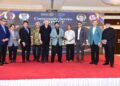
The event brought together filmmakers, representatives of the British Council and Scottish Documentary Institute, members of the diplomatic community, media professionals and other guests.
Among those attending were actors Ayeza Khan, Sana Javed, Sanam Saeed and Momal Sheikh, alongside Ali Khan, Erica Robin, Amna Ilyas, Adnan Malik, Tapu Javeri, Amean J. and Sania Maskatiya.
The five-year milestone underscored Patakha Pictures’ continuing focus on supporting emerging documentary storytellers and helping filmmakers develop stories that might otherwise receive limited exposure.
Through Claim the Frame, the initiative aims to expand opportunities for women filmmakers and strengthen Pakistan’s documentary filmmaking community.