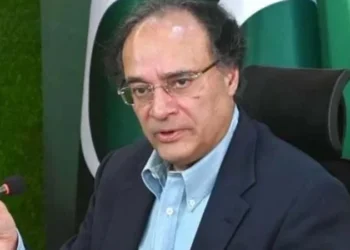
Shamoon Zaki

Karachi: Rising geopolitical tensions across South and West Asia are posing fresh challenges to the Pakistan economy, affecting trade flows, supply chains and industrial output, according to business leaders.
Shamoon Zaki, President of the Pakistan-Indonesia Business Forum, said escalating instability in the Gulf region and along the Pakistan-Afghanistan border is already impacting economic activity.
Trade, Energy Costs and Supply Chains Under Pressure
Zaki noted that volatility in Gulf energy markets and rising shipping costs are likely to directly affect Pakistan’s industrial production and export competitiveness.
He said industries are already under strain due to high energy tariffs, increasing raw material prices and limited financial resources, warning that prolonged instability could deepen the crisis.
Key sectors including textiles, steel, chemicals and food processing are expected to face the most pressure if the situation deteriorates further.
Border Tensions Threaten Regional Trade Routes
Highlighting the strategic importance of cross-border trade, Zaki said tensions along the Pakistan-Afghanistan frontier could disrupt not only bilateral commerce but also key transit routes connecting Pakistan to Central Asia.
He warned that any escalation could undermine logistics networks and hamper regional economic integration efforts.
Opportunities to Diversify Trade Partnerships
Despite the challenges, Zaki stressed that global uncertainty also presents an opportunity for Pakistan to expand into new markets.
He identified Southeast Asian economies such as Indonesia and Malaysia, along with other ASEAN nations, as promising trade partners.
Strengthening exports in sectors like textiles, agriculture, pharmaceuticals and food processing could help offset risks from traditional markets, he added.
Call for Policy Support and Economic Strategy
Zaki urged the government to stabilise energy supplies, introduce incentives for exporters and implement safeguards to protect domestic industries from global shocks.
He also highlighted Pakistan’s geographic advantage, noting that its ports and trade corridors could be leveraged to enhance economic diplomacy and regional connectivity.
Outlook: Turning Challenges into Opportunities
Business leaders say coordinated efforts between policymakers and industry stakeholders will be essential to navigate current challenges.
Zaki concluded that with the right strategy, Pakistan can convert regional uncertainty into opportunities for economic growth and diversification.