APP
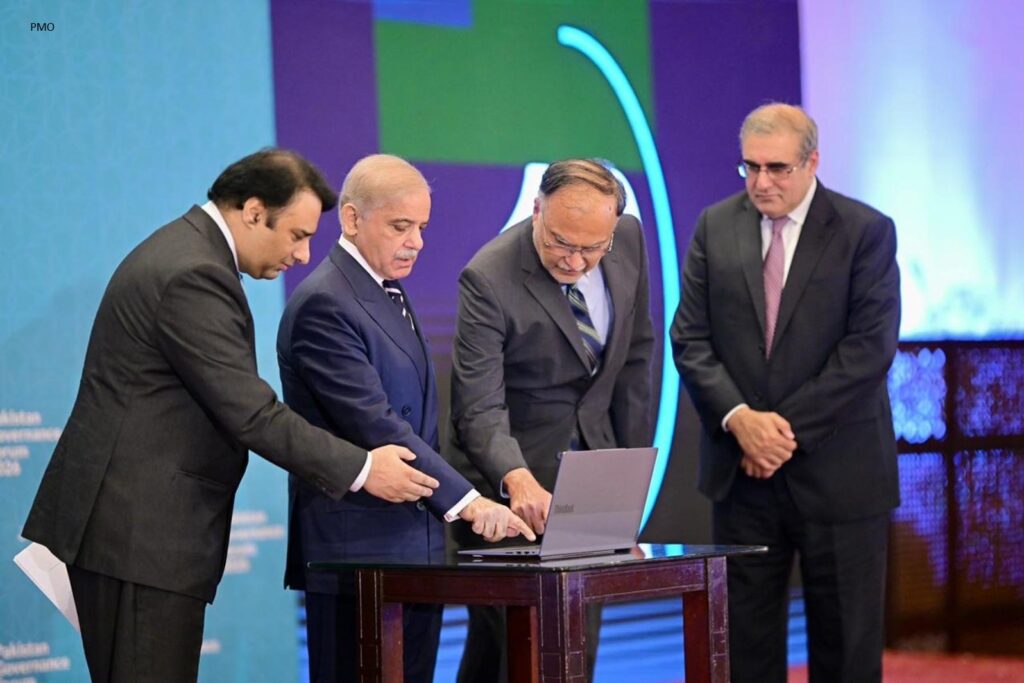
Islamabad: Prime Minister of Pakistan Shehbaz Sharif on Wednesday stressed the need for a “whole-of-government” approach to overcome economic challenges, saying coordinated efforts by federal and provincial authorities were essential to sustain growth and stability.
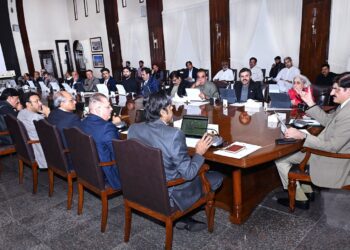
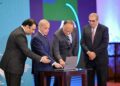
Addressing the inaugural session of the Pakistan Governance Forum 2026 in Islamabad, the prime minister said Pakistan had narrowly avoided default in June 2023 but had since stabilised its macroeconomic indicators through collective efforts.
‘From Brink of Default to Stability’
The prime minister said inflation, which had surged to around 35 per cent, had been reduced to below seven per cent, while the policy rate had been brought down to 10.5 per cent.
He said reforms undertaken over the past two years were largely homegrown and aimed at breaking the recurring “boom and bust” cycle. He added that increasing exports and expanding the tax base remained central to long-term economic resilience.
The country’s tax-to-GDP ratio, he noted, had reached 10.5 per cent due to enhanced enforcement and sectoral taxation measures, including in sugar, cement and tobacco.
Energy Reforms and Institutional Closures
The prime minister highlighted reforms in the power sector, stating that electricity tariffs had been reduced by Rs9 per unit while protecting solar investments.
He also pointed to an estimated Rs200 billion annual loss due to power theft and called for coordinated action across institutions to address the issue.
Mr Sharif defended the closure of certain state entities, including the Utility Stores Corporation and the Pakistan Works Department (PWD), alleging they had been plagued by corruption and inefficiency.
Under the Prime Minister’s Ramazan Package, he said, Rs38 billion was being disbursed to deserving families through digital wallets to ensure transparency and dignity.
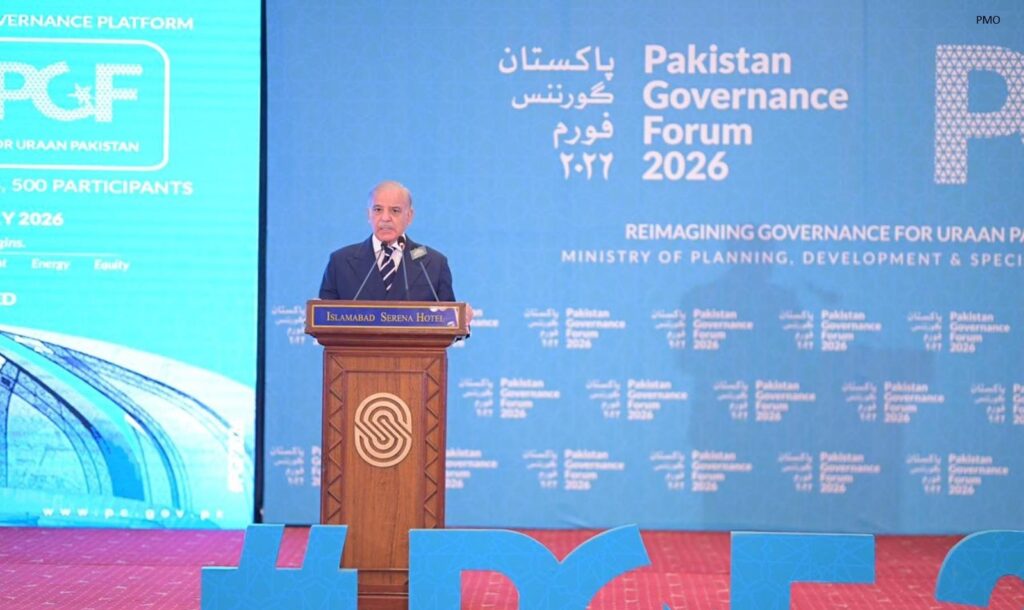
Focus on IT, Youth and Investment
Emphasising the importance of private-sector-led growth, the prime minister said the government’s role was to facilitate exporters and investors rather than engage directly in business.
He noted that the IT sector had grown by 34 per cent but stressed the need to harness Pakistan’s youth bulge through technical and vocational training, particularly in IT and artificial intelligence.
He also underlined the importance of foreign direct investment, production growth and a reduction in indirect taxes in the upcoming federal budget.
Planning Minister Highlights ‘Uraan Pakistan’
Speaking at the forum, Planning Minister Ahsan Iqbal said the event was aimed at generating actionable policy solutions through dialogue among policymakers, experts and stakeholders.
He said the “Uraan Pakistan” initiative was designed to guide the country toward sustainable economic transformation, adding that with consistent reforms, Pakistan could become a $1 trillion economy by 2035.
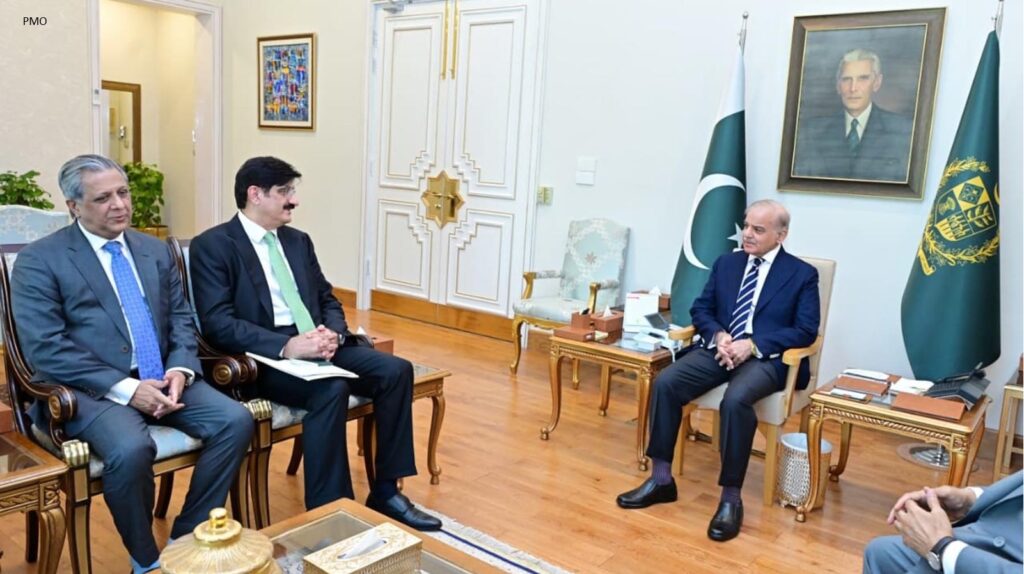
PM Meets Sindh CM, Assures Federal Support
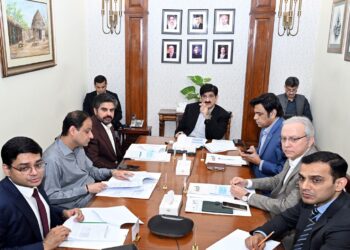
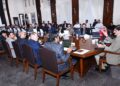
Separately, Prime Minister Shehbaz Sharif met Sindh Chief Minister Murad Ali Shah and assured full federal cooperation for the timely completion of development projects in the province.
According to a statement from the Prime Minister’s Office, the chief minister briefed the premier on ongoing initiatives in Sindh.
The prime minister directed relevant ministries to maintain close coordination with the provincial government to accelerate public welfare projects.
He described the Pakistan Peoples Party as an important coalition partner and said consultation and harmony among allied parties were vital for political stability and policy continuity.
Deputy Prime Minister and Foreign Minister Ishaq Dar, Federal Ministers Azam Nazeer Tarar and Ahsan Iqbal, and Adviser Rana Sanaullah also attended the meeting.
Call for Collective Effort
Concluding his address, the prime minister acknowledged that economic recovery remained a challenging path but expressed confidence that coordinated governance and reform momentum would help Pakistan secure its rightful place among stronger economies.