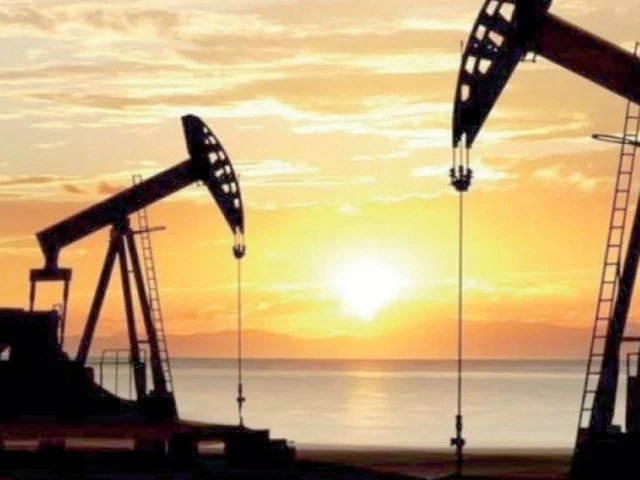
Oil prices rose on Wednesday after US President Donald Trump rejected reports that Washington was prepared to ease sanctions on Iran, while Qatar continued diplomatic efforts to advance talks between Tehran and Washington.
Brent crude futures for November delivery, which expire on Wednesday, rose 84 cents, or 0.82%, to $103.43 a barrel by 0650 GMT. The more active December contract gained 19 cents to $87.59, while US West Texas Intermediate crude rose 25 cents, or 0.28%, to $89.63.
Brent is on track for a monthly gain of about 14%, which would be its biggest monthly increase since July. WTI is headed for a gain of around 4% after briefly rising above $106 a barrel for the first time since May.
The gap between the two benchmarks has also widened to its highest level in four months as traders monitor possible US restrictions on diesel exports. Such restrictions could increase domestic supplies and encourage US refiners to process less crude.
Chad Lowe and Kim Painter Mourn Death of 13-Year-Old Daughter Fiona
Trump is considering allowing sales of red-dyed diesel instead of imposing an export ban, a move aimed at providing some relief to consumers ahead of the November midterm elections, according to Reuters.
“Continued uncertainty over sanctions relief and negotiations is keeping a geopolitical risk premium embedded in prices,” said Sugandha Sachdeva, founder of New Delhi-based research firm SS WealthStreet.
She added that improving supplies could limit further price gains, while renewed disruption or an escalation in tensions could trigger another rally.
Qatar said Tuesday that it hoped shuttle diplomacy between Iran and the United States could produce a breakthrough. Qatari officials said they were exchanging messages with both sides and working to establish common ground for an agreement.
Trump, however, denied an Axios report that cited US officials as saying he was willing to provide Iran with sanctions relief and release frozen Iranian funds in return for concrete steps on its nuclear programme. Trump said the report was untrue and that he had offered Iran nothing.
Meanwhile, Saudi Arabia resumed oil tanker loadings from its Red Sea port of Yanbu after restarting operations on the East-West Pipeline.
Crude exports from Middle Eastern producers rose to 16.328 million barrels per day in September, their highest level since the conflict involving Iran began in late February, according to data cited by Reuters. J.P. Morgan said regional exports were about 11% below pre-conflict levels after flows through the Saudi pipeline were restored.
Over the previous five days, the 10-day average for total oil exports stood at 20.5 million barrels per day, or 89% of 2025 levels, according to J.P. Morgan estimates.
In the United States, crude oil and gasoline inventories rose while distillate stocks declined last week, according to data from the American Petroleum Institute cited by market sources.
Official US inventory figures from the Energy Information Administration were due later Wednesday. Analysts surveyed by Reuters expected crude and product inventories to have declined.
The latest price moves reflect competing pressures in the oil market: recovering Middle Eastern supplies are easing some concerns over shortages, while continued uncertainty over US-Iran relations and the security of regional energy routes is supporting prices.