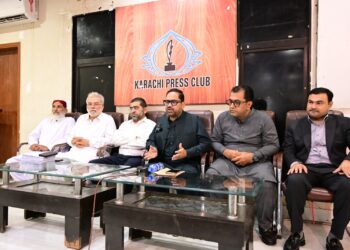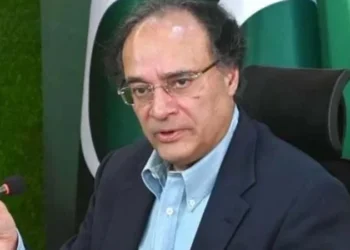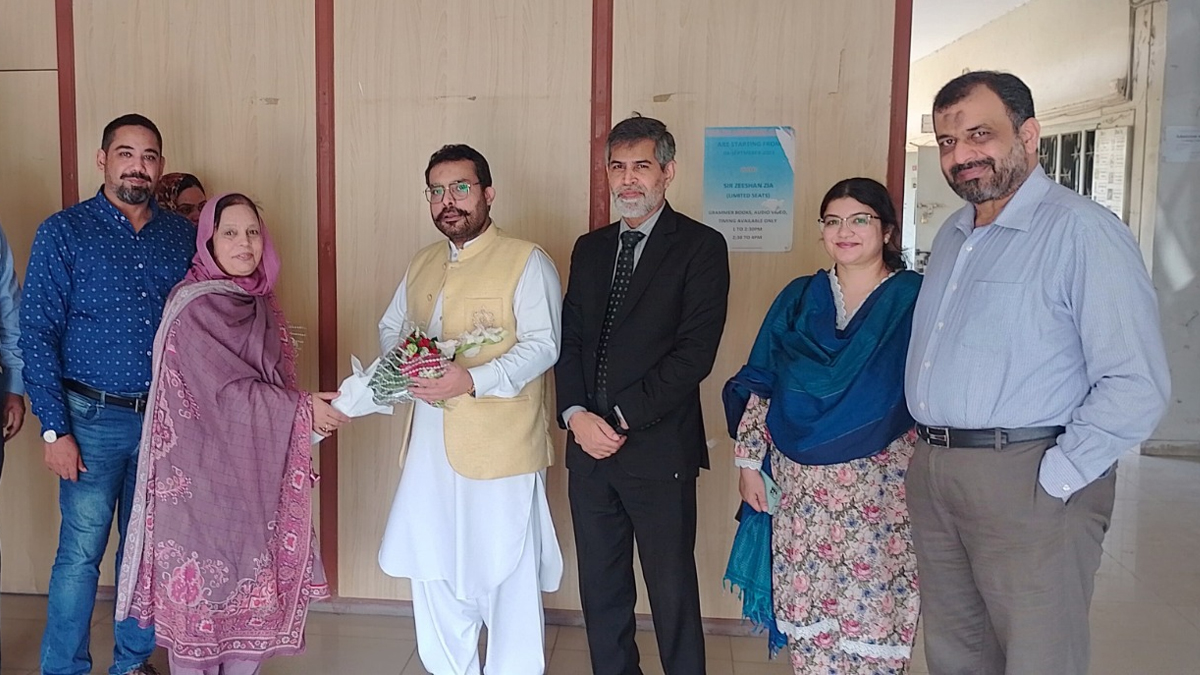
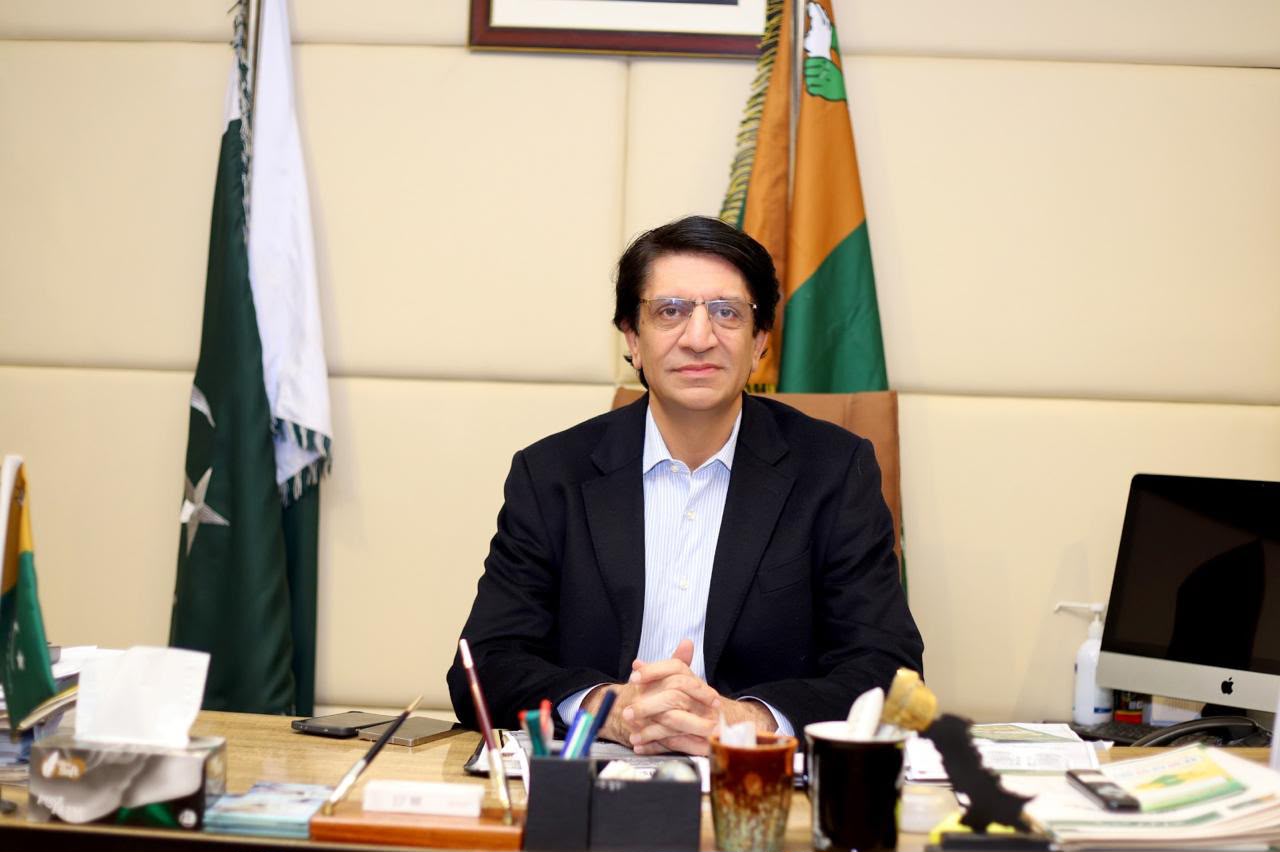
The Federal Budget 2026-27 has drawn criticism from Pakistan Awami Quwat Chairman Khaqan Waheed Khawaja, who said the government’s financial plan has failed to meet public expectations. According to his statement, the budget places greater emphasis on fiscal targets and IMF-related commitments than on providing meaningful relief to citizens.
The criticism comes at a time when inflation, unemployment, and economic uncertainty continue to affect households and businesses. Khawaja argued that the Federal Budget does not adequately address these challenges and lacks practical measures to support long-term economic growth.
Khaqan Waheed Khawaja Questions Budget Priorities
Khaqan Waheed Khawaja stated that the budget appears to have been prepared largely within the framework of IMF conditions and fiscal limitations.
According to him, the government’s focus remains on meeting financial benchmarks rather than reducing the burden on ordinary citizens. He further said that while some concessions were announced for salaried individuals, those measures remain insufficient when compared with prevailing economic conditions.
As a result, he believes the budget has not delivered the level of relief many people were expecting.
Pakistan Awami Quwat Highlights Economic Concerns
Pakistan Awami Quwat expressed concern over the absence of a comprehensive strategy to strengthen key sectors of the economy.
Khawaja stated that despite government claims of promoting growth and exports, the budget does not clearly outline measures to support industry, information technology, exports, or small and medium-sized enterprises (SMEs).
Furthermore, he argued that policies designed to attract foreign investment and encourage domestic industrial expansion are largely missing from the budget framework.
SMEs and Industry Need Greater Support
According to the Pakistan Awami Quwat chairman, stronger incentives are needed to stimulate economic activity and improve business confidence.
He stated that sustainable growth requires targeted support for productive sectors, particularly SMEs, which play an important role in employment generation and economic development.
Moreover, he suggested that without practical reforms and investment-friendly policies, achieving the government’s economic objectives may prove difficult.
Youth Employment Remains Key Concern
Khaqan Waheed Khawaja also criticized the budget for not introducing significant initiatives focused on young people.
He stated that the budget lacks meaningful programs for job creation, entrepreneurship development, and skills training. Consequently, many young Pakistanis may continue to face challenges in accessing employment opportunities and career development pathways.
The absence of youth-focused economic measures, he argued, represents a missed opportunity to address one of the country’s most pressing concerns.
Pakistan Awami Quwat Calls for Structural Reforms
While acknowledging that the government may be seeking short-term economic stability, Khawaja said the budget does not contain the bold reforms needed to address long-term structural issues.
He argued that Pakistan requires policies capable of reducing dependence on debt, encouraging investment, and creating sustainable economic growth. Additionally, he stressed the importance of measures aimed at reducing the financial pressures faced by ordinary citizens.
According to Pakistan Awami Quwat, the Federal Budget 2026-27 does not fully reflect the aspirations of the public or the broader economic requirements of the country. The party maintains that stronger reforms and more people-focused policies are necessary to support long-term national development.