The University of Karachi (KU) has proposed establishing a Pakistan-China Centre for Artificial Intelligence and Cybersecurity and a Pakistan-China Museum to strengthen cooperation between the two countries in education, scientific research, modern technology and cultural exchange.
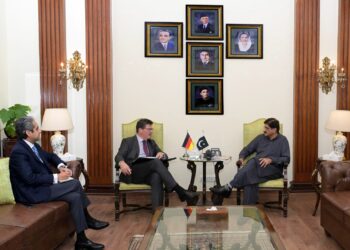
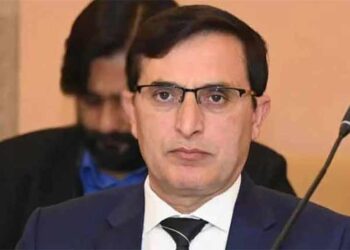
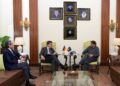
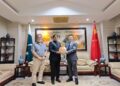
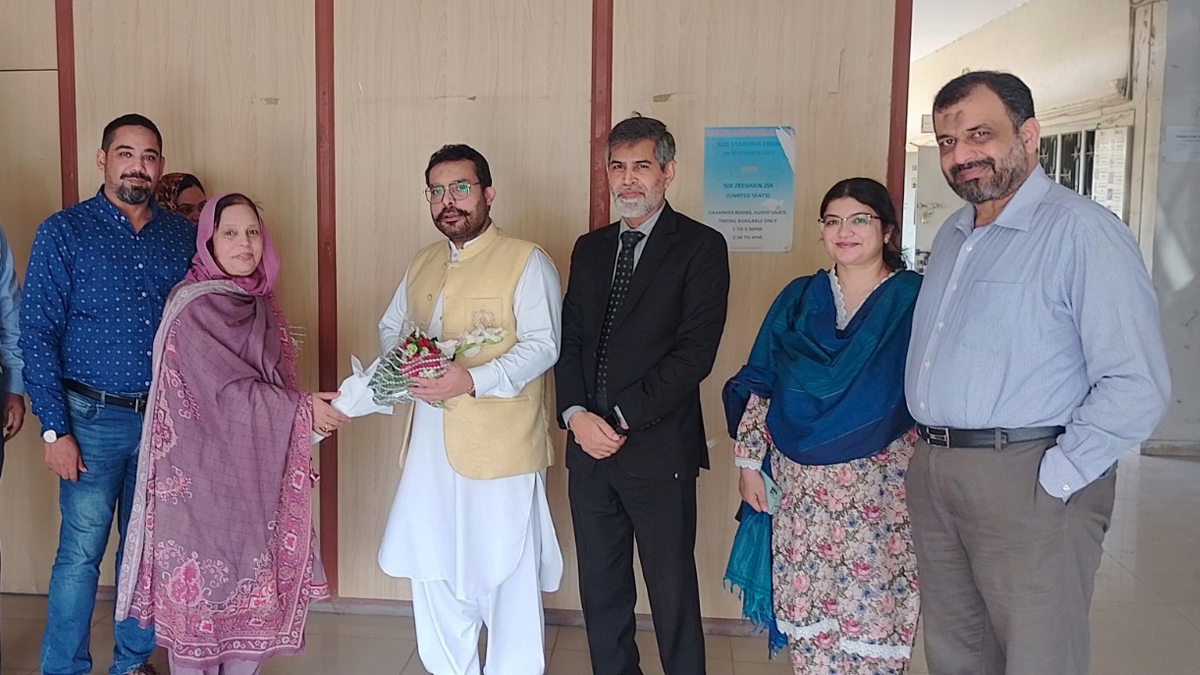
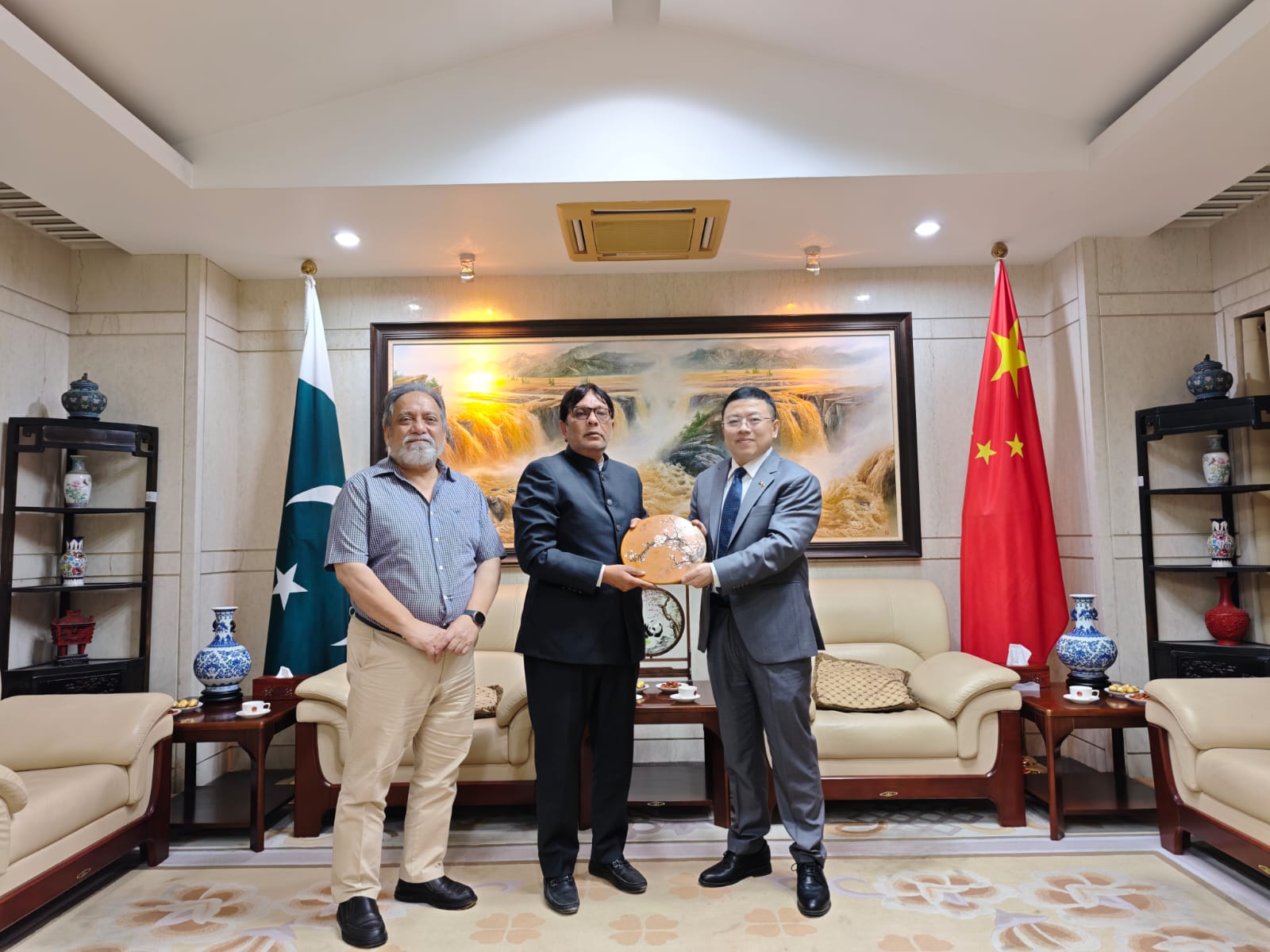
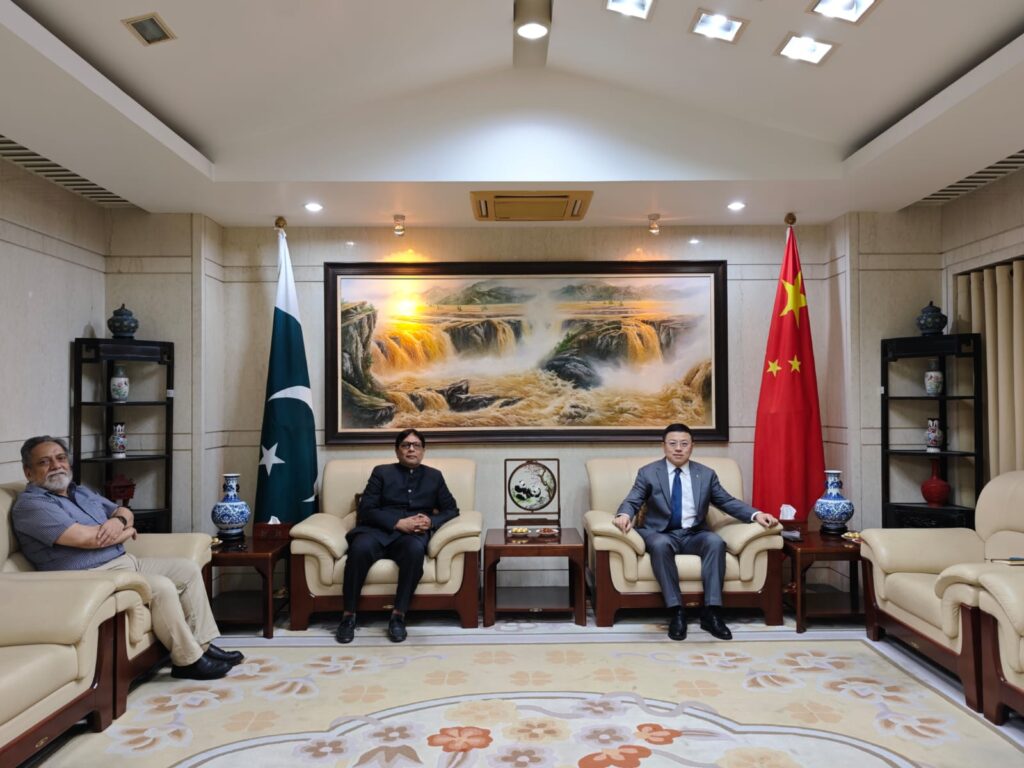
The proposals were discussed during a meeting between KU Vice Chancellor Professor Dr Wasim Qazi and Chinese Consul General in Karachi Feng Deheng at the Consulate General of the People’s Republic of China.
The meeting focused on expanding collaboration in artificial intelligence, cybersecurity, higher education, scientific research, technological innovation and institutional development.
Karachi Cleanliness Campaign to Continue Year-Round, Says Nasir Hussain Shah
Proposed Centres to Promote Research and Innovation
During the meeting, the two sides discussed establishing a Pakistan-China Centre for Artificial Intelligence and Cybersecurity at the University of Karachi. The proposed centre would provide a platform for collaborative research, technology development, student training and faculty development.
Feng Deheng expressed interest in the initiative and highlighted its potential to strengthen cooperation between Pakistani and Chinese universities in emerging technologies.
The discussions also covered joint research projects, faculty and student exchange programmes, and initiatives to promote Chinese language and culture.
Dr Wasim Qazi stressed the importance of turning the 75th anniversary of Pakistan-China diplomatic relations and the 75th anniversary of the University of Karachi into tangible academic, scientific and cultural achievements.
He called for joint research, technological innovation and professional training programmes in several fields, including agriculture, biotechnology, food technology, the maritime economy, energy, pharmacy, microbiology and sociology.
Pakistan-China Museum and Hall of Fame Proposed
The meeting also considered establishing a Pakistan-China Museum at the University of Karachi to preserve and showcase the historical and cultural connections between the two countries.
The proposed museum would house historical heritage, academic resources, important documents and cultural artefacts, helping strengthen educational and cultural links between Pakistan and China.
Another proposal involved creating a special Hall of Fame to honour distinguished individuals who have made significant contributions to education and scholarship.
These initiatives aim to promote cultural understanding, preserve historical records and provide future generations with opportunities to learn about the longstanding relationship between the two countries.
China Reaffirms Support for University Cooperation
Chinese Consul General Feng Deheng appreciated the University of Karachi and its Confucius Institute for their role in promoting educational cooperation.
He expressed a commitment to further strengthening ties between Chinese and Pakistani universities, particularly in research, modern technology and academic exchanges.
The discussions highlighted opportunities for universities and research institutions in both countries to develop collaborative programmes and expand knowledge-sharing initiatives.
KU Vice Chancellor to Visit China in November
Dr Wasim Qazi expressed his commitment to turning the proposals discussed during the meeting into practical projects, joint research programmes and formal institutional agreements.
As part of these efforts, the KU vice chancellor plans to visit China in November 2026. During the visit, he is expected to meet representatives of leading Chinese universities to explore potential agreements covering research, technological development, academic exchanges and institutional cooperation.
The University of Karachi has also invited leading Chinese universities and research institutions to participate in the proposed initiatives.
The planned collaboration aims to build a sustainable academic and scientific partnership, improve higher education and create new opportunities for research, innovation and development for future generations.