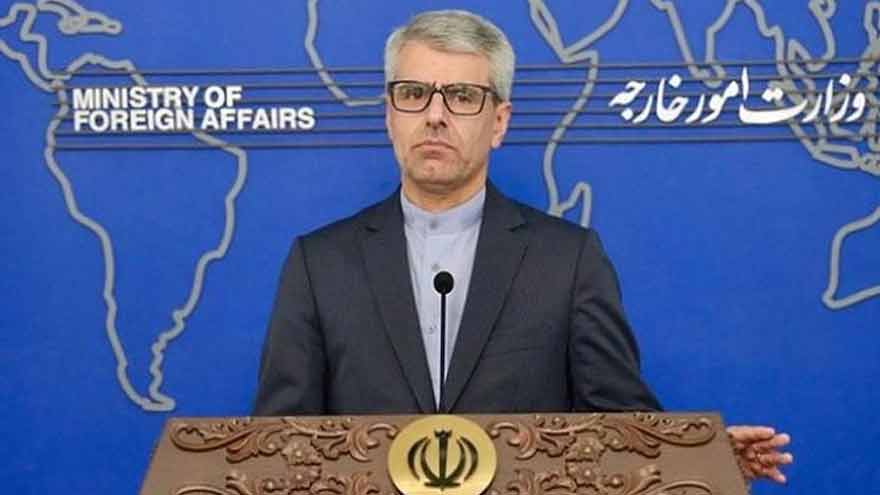
Iran-US tensions escalated after Tehran said it never asked the United States for negotiations to end the conflict. Iranian officials also insisted that only Iran would decide when to pursue war or peace.
Bab el-Mandeb Red Sea ship traffic drops after Houthi attacks on Saudi oil sites
Speaking at a press briefing, Foreign Ministry spokesperson Ismail Baghaei said Iran would never allow Washington to dictate the timing of war or peace. He claimed the United States expected Iran to surrender within three days after launching attacks. Instead, he said, Washington now faces its own challenges months into the conflict.
Baghaei also claimed the United States returns to negotiations whenever global energy prices rise. In addition, he accused Israel of preventing Middle Eastern countries from gaining advanced technology. He reaffirmed that every nation has the right to develop nuclear energy for peaceful purposes.
Iran defends its position
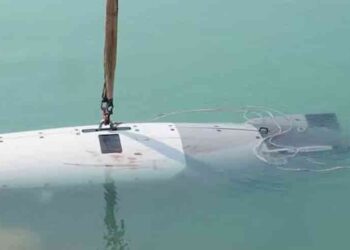
Baghaei said Iran had only exercised its legal rights. He also condemned Ukrainian attacks on Iranian commercial vessels in the Caspian Sea, calling them violations of international law.
Furthermore, he said Iran reserves the right to respond to such attacks. However, he maintained that Tehran has avoided direct involvement since the start of the Russia-Ukraine war.
The spokesperson added that Iran would take every necessary step to protect its national security and strategic interests. He also alleged that some regional countries were supporting the United States in military operations against Iran.
Moreover, Baghaei urged regional governments to avoid further cooperation with Washington. He warned that any action increasing regional tensions would make those involved responsible for the consequences.
Hormuz talks with Oman continue
Baghaei confirmed that Iranian and Omani officials held talks on Friday and Saturday about managing navigation in the Strait of Hormuz.
He said the discussions focused only on improving navigation systems and regional issues. He stressed that the talks had no connection with the United States.
Finally, Baghaei said there has been no change in the situation of the Strait of Hormuz, adding that the strategic waterway remains closed.