Iran’s Foreign Minister Abbas Araghchi said there was no military solution to the conflict with the United States.
He said only negotiations based on “justice and fairness” could end the conflict. His comments came as indirect talks between Tehran and Washington appeared stalled.
Araghchi also warned that Iran would respond more forcefully if its adversaries resumed military action.
“If our enemies again choose the path of military confrontation, our response will be stronger than before,” he told foreign ambassadors in Tehran.
“There is no military solution, nor any solution based on new sanctions,” he said. “Only negotiations based on justice and fairness” could end the conflict.
Iran Links Hormuz Opening to Seven Conditions
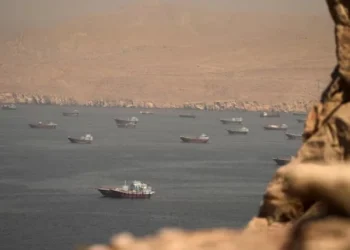
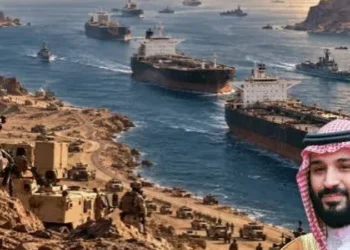
The dispute remains focused on the Strait of Hormuz, a major route for global oil and gas shipments.
Iranian Parliament Speaker Mohammad Baqer Ghalibaf said the waterway would remain closed until Tehran’s seven conditions are met.
He said the conditions were linked to an interim memorandum agreed with the United States in June.
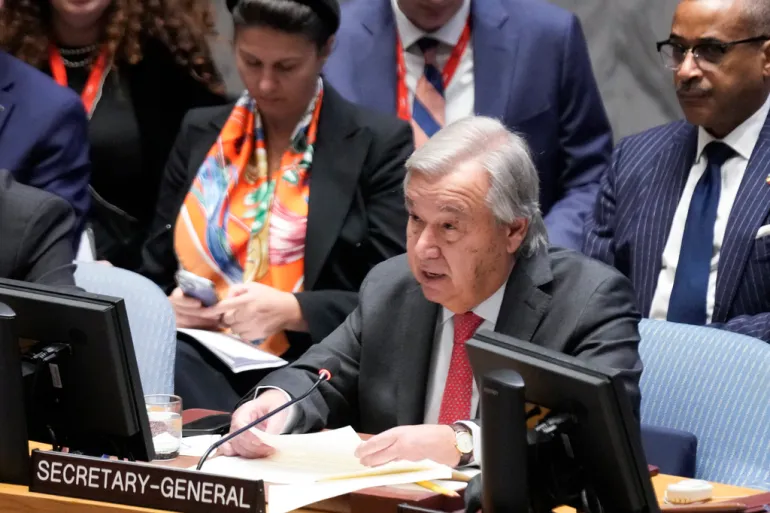
UN Chief Guterres to Visit Pakistan From October 6 to 8
Iran presented the conditions during indirect talks with US officials on the sidelines of the United Nations General Assembly last week.
They include a ceasefire across the Middle East, the release of frozen Iranian assets and the lifting of sanctions on Iran’s oil sector.
Iran also wants an end to the US naval blockade, according to Iranian officials.
Ghalibaf said Washington must stop delaying the process and imposing unilateral demands.
Tehran Says Hormuz Is the Main Issue
Iranian Foreign Ministry spokesman Esmaeil Baghaei said the latest US proposals largely repeated Washington’s previous positions.
He said Iran’s priority remained the Strait of Hormuz.
Baghaei said reopening the waterway would require an end to disruption of Iranian maritime traffic and the lifting of sanctions.
He also denied that Iran had offered inspections by the UN nuclear watchdog in exchange for sanctions relief.
Baghaei said Tehran had not entered new nuclear negotiations.
President Donald Trump has rejected Iran’s seven-day proposal for reopening the Strait. However, he has also left the door open to further negotiations.
Qatar has been helping relay messages between Washington and Tehran as mediators seek a way to end the conflict.
US Military Presence Remains a Concern
The United States has not launched a new strike on Iran since September 1, according to the report.
Washington has continued strengthening its military presence in the region.
Reuters reported that the United States has increased defensive deployments around Gulf energy facilities. Further military moves have added to concerns about a possible escalation.
Iran has also warned that it is preparing for further confrontation.
The Iranian army said it would increase the range of its missiles. The announcement came alongside Tehran’s repeated calls for a diplomatic solution.
The competing military warnings have added pressure to negotiations over the Strait of Hormuz.
Iran’s Oil Minister Resigns
Separately, Iranian Oil Minister Mohsen Paknejad resigned on Sunday.
President Masoud Pezeshkian accepted his resignation, state media reported.
Hamid Bovard, chief executive of the state-run National Iranian Oil Company, was appointed acting oil minister.
Iranian officials did not initially provide a reason for Paknejad’s departure. Reuters later reported that state media described the resignation as being for personal reasons.
Paknejad had served as oil minister since August 2024.
His departure comes as the conflict with the United States places additional pressure on Iran’s economy and energy sector.
Before his resignation, Paknejad said Iran’s oil revenues were still coming in and were expected to continue.
Bovard will now oversee the ministry as Iran faces continued pressure over oil exports, sanctions and the Strait of Hormuz.