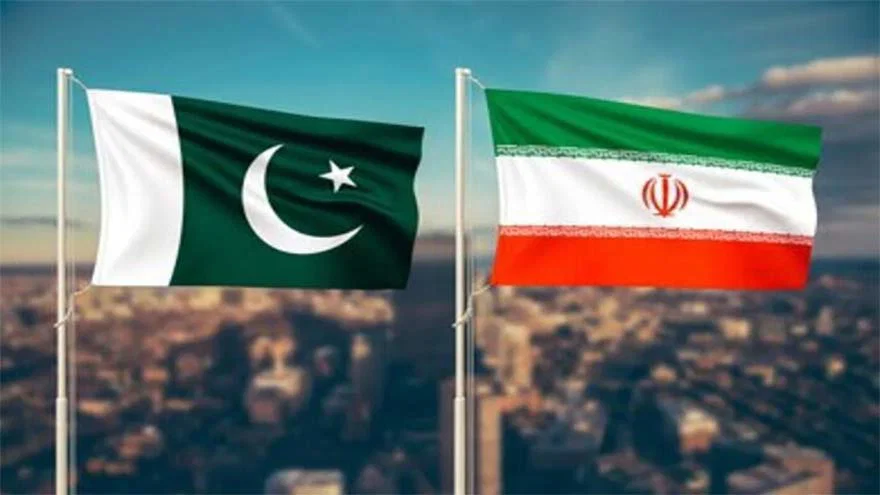
Iranian Foreign Minister Abbas Araghchi has stressed the importance of continued consultations between Tehran and Islamabad to promote regional peace, security and stability, Iranian state media reported on Wednesday.
The remarks came amid renewed hostilities between the United States and Iran, with tensions escalating around the Strait of Hormuz. Iran said it had attacked 10 ships near the strategic waterway after the United States sank five Iranian oil tankers, marking the largest reported wave of reciprocal attacks on shipping since the six-month conflict began.
Pakistan has played a key mediating role in efforts to resolve the US-Iran conflict. Islamabad joined Saudi Arabia, Qatar and Türkiye in a diplomatic push that helped broker an interim peace agreement in June. However, the arrangement later collapsed as both sides resumed military attacks.
According to Iran’s state-run IRNA news agency, Araghchi met Iranian Ambassador to Pakistan Dr Reza Amiri Moghadam on Wednesday. The ambassador briefed the foreign minister on the latest developments in bilateral relations and the embassy’s plans to further expand cooperation between the two neighboring countries.
PTI Leaders Face Possible Arrests as Authorities Move to Enforce Warrants
Araghchi also praised Pakistan’s leadership for its constructive role in supporting diplomatic efforts. He said continued consultations between Iran and Pakistan were essential for securing mutual interests and contributing to regional security and stability.
The Strait of Hormuz has remained a major flashpoint since the conflict began on February 28. Iranian forces have restricted shipping through the waterway, while the United States has imposed a counter-blockade on Iranian ports.
The renewed fighting has also pushed global oil prices higher. Brent crude futures rose above $100 a barrel for the first time since July. At least one seafarer aboard a tanker was reportedly killed, while another was reported missing.
Washington had recently claimed progress in guiding commercial tankers through the Strait of Hormuz, a route that carried roughly one-fifth of global oil supplies before the war. The latest escalation, however, has raised fresh concerns that efforts to gradually restore shipping traffic could face further setbacks.