International artists promoted peace, love and cultural diversity through art on the fifth day of the 3rd World Culture Festival Karachi 2026, organised by the Arts Council of Pakistan Karachi.
The day’s programme brought together artists and audiences through fine arts, music, dance, film and theatre. A key highlight was a panel discussion on cultural diversity and artificial intelligence, alongside international workshops, film screenings and live performances.
International Artists Discuss Culture, Fine Arts and AI
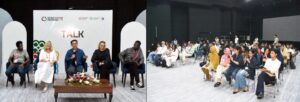
As part of the festival’s Artfelt: Conversations series, a panel discussion titled Cultural Diversity as Represented in 21st Century Fine Art featured artists from Ethiopia, Germany, Singapore, Sweden and Kenya.
The participants included Kaleab Alemayehu of Ethiopia, Petra Kaltenbach of Germany, Yip Yew Chong of Singapore, Domi Forest of Sweden and Nelson Ijaka of Kenya.
The discussion explored cultural diversity in contemporary fine arts, the influence of artificial intelligence, individual artistic journeys and emerging creative trends.
Ethiopian artist Kaleab Alemayehu said art could offer a glimpse into a world beyond politics and serve as a powerful way to connect people. He highlighted how different art forms allow individuals to express their identities while promoting peace. Although he welcomed technological developments, he stressed that artists should use artificial intelligence thoughtfully and responsibly.
Alemayehu also praised the warmth and hospitality he had received in Pakistan and expressed his desire to visit the country again in the coming years.
German artist Petra Kaltenbach emphasised the importance of dialogue and artistic expression in creating positive change. She said personal transformation could help people understand others better and described art as an effective way to encourage that process. She also appreciated Pakistan’s people, cuisine and artistic environment.
Singaporean artist Yip Yew Chong shared his experience of building friendships in Pakistan. He said photographs of his work had helped friends around the world discover the country’s beauty. He added that an artist could communicate a meaningful message even before completing a mural.
Swedish artist Domi Forest said the festival offered an opportunity to celebrate life at a time when several parts of the world were experiencing destruction. He encouraged people to spread love, care for one another and contribute positively to society.
Forest also reflected on the growing influence of technology, noting that human beings possessed enormous potential that remained largely unexplored. He said his experience in Pakistan made him feel part of one family.
Kenyan artist Nelson Ijaka discussed the challenges of corruption and rebuilding a country. He described art as a means of shaping cultural narratives and developing pride in one’s identity. He also praised the standard of art in Pakistan and called institutions such as the Arts Council valuable assets.
Japanese Musician Leads Bass Guitar Workshop
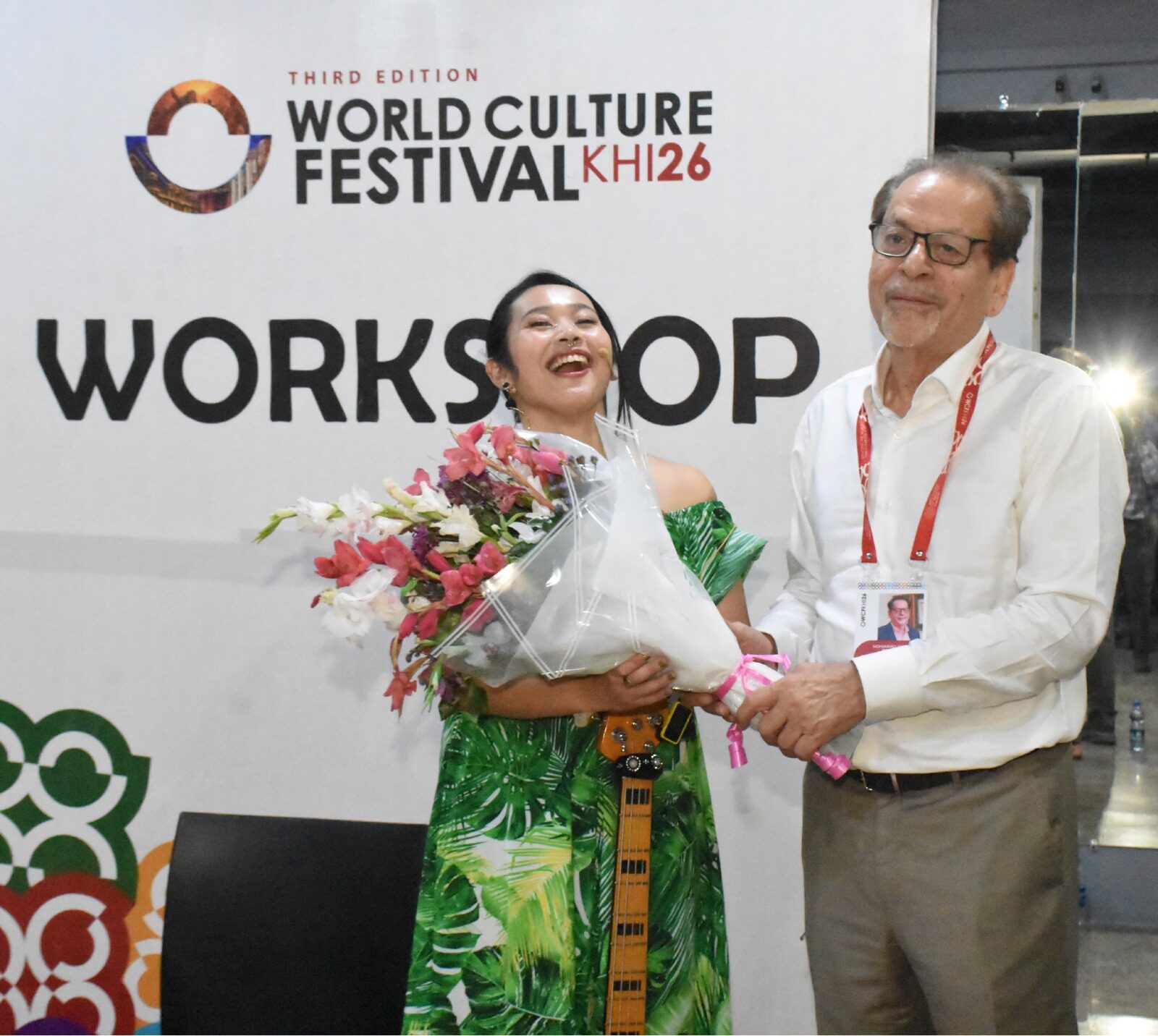
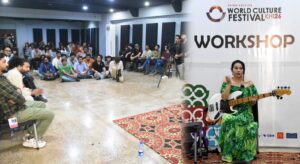
The festival’s music programme featured a special workshop titled Beyond the Bassline, conducted by renowned Japanese guitarist Juna Serita.
Serita demonstrated how musicians could use the bass guitar as a lead instrument, delivering a performance and conducting a dedicated session on improvisation.
Young musicians actively participated, learning different techniques from the Japanese artist and applauding her performance.
Brazilian Group Conducts Samba and Dance Workshop
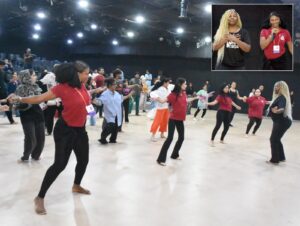
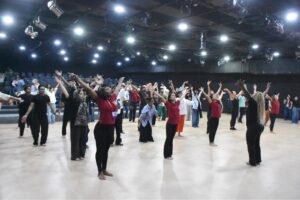
A dance workshop by Brazilian group Cia Livre De Danca Da Rocinha introduced participants to traditional Brazilian dance and Samba techniques.
International trainers demonstrated coordinated hand, shoulder and foot movements to drum rhythms, giving students and fellow artists practical exposure to Brazilian dance styles.
During the workshop, Arts Council of Pakistan Karachi President Muhammad Ahmed Shah invited the group to return to Karachi after the festival for a two-week training programme.
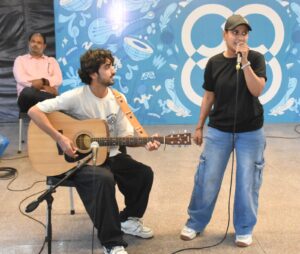
The open-mic session added another musical attraction, as young singers entertained audiences with their voices and enthusiastic performances.
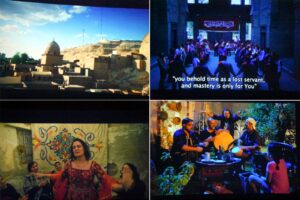
Eight Films Screened Under Arab and North African Shorts
The fifth day also featured eight films under the Arab and North African Shorts programme:
- Al-Adham, directed by Eman Hatem
- Casting, directed by Youssef Sanheji
- Passport Wedding, directed by Abdallah Al-Ziyadi
- Red Like Blood, directed by Yara Saliba Shehadeh
- Rehab, directed by Nabeel Sabah Joy
- Salopette, directed by Feryel Ben Boubaker
- The Last Minutes, directed by Houssam Skaff
- The Last Miracle, directed by Abdelwahab Shawky
The films explored a range of subjects, including Palestinian identity, displacement, memory, family struggles, social injustice and psychological conflict. They also examined the complex relationship between truth and illusion.
Italian Physical Comedy and Pakistani Theatre Close the Day
The theatre programme concluded with two productions that offered audiences contrasting styles of performance.
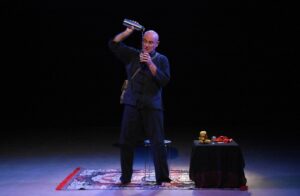
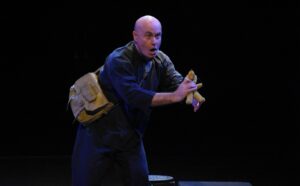
Italian performer Tom Corradini presented Shaolin Clown, a 50-minute physical comedy production that used movement and facial expressions instead of dialogue.
The performance followed a Shaolin monk who rediscovers his playful and clownish nature during his Zen practice. Inspired by Bernhard Moestl’s book Shaolin: You Do Not Have to Fight to Win, the production explored life’s deeper meaning through humour, movement and everyday experiences.
The Pakistani comedy play Taleem-e-Balighan, written and directed by Farhan Alam Siddiqui, also took the stage.
The 60-minute production revolved around an adult education centre run by a strict cleric. Students with contrasting personalities and stubborn attitudes create a series of humorous situations and chaotic encounters.
Through satire and comedy, the play highlighted social decline and the growing distance from national principles and values.
Both productions received an enthusiastic response from the audience, bringing the fifth day of the World Culture Festival Karachi 2026 to a lively close.
The day’s activities reflected the festival’s emphasis on bringing cultures together through artistic expression, creative exchange and shared human experiences.