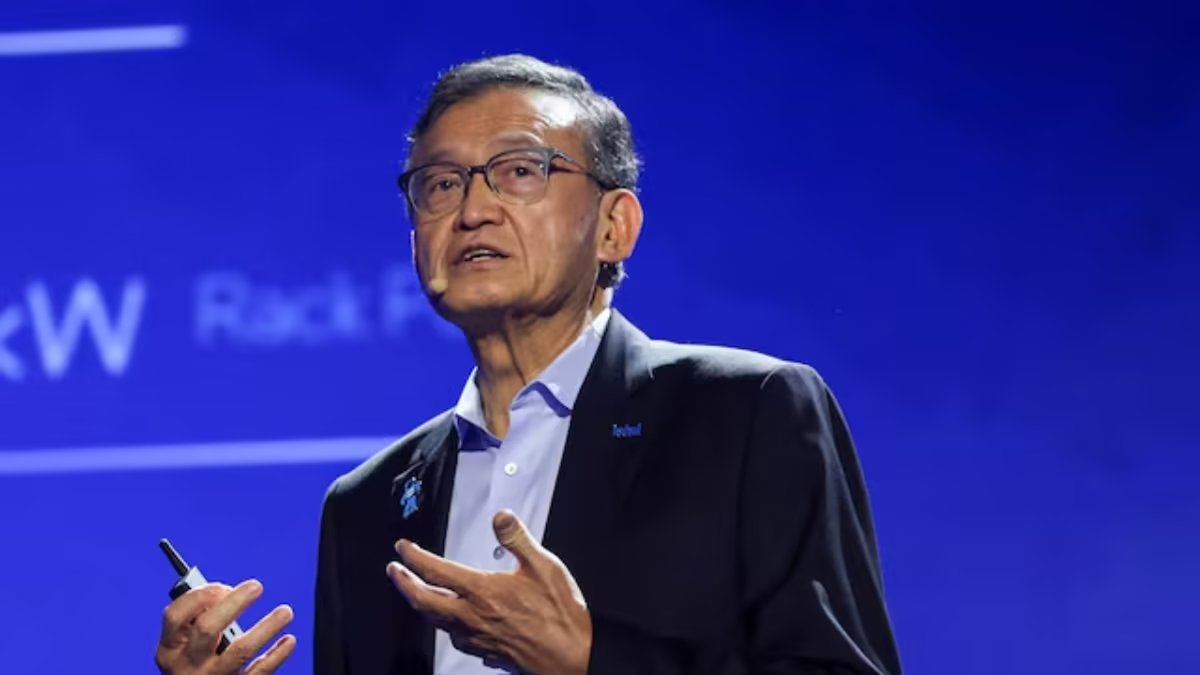
The global shortage of computer memory is expected to persist for several more years as growing demand from artificial intelligence (AI) companies puts pressure on hardware supplies, according to Intel CEO Lip-Bu Tan.
Speaking at the Asia Future Forward event in Singapore, hosted by DBS Bank, Tan warned that key AI hardware components, including memory, could remain in short supply for the next two to three years. He attributed the situation to long-standing challenges across the technology supply chain.
Although the shortage is closely linked to the expansion of large AI data centres, its effects are also being felt by everyday consumers. Manufacturers are increasingly prioritising customers building AI infrastructure, putting additional pressure on the supply of memory and other components used in personal computers.
AI Demand Pushes RAM Prices Higher
The growing need for computing power has intensified competition for memory chips, GPUs and CPUs. As semiconductor manufacturers allocate more resources to AI-related demand, PC builders and consumers upgrading their systems face higher costs and potentially limited availability.
A recent Barclays report cited by TechRadar highlights the scale of the price increases. Wholesale prices for standard DDR4 memory reportedly rose by 24% over the past three months, while DDR5 memory prices increased by 20%.
Arsenal Crush Lille 3-0 With Seven-Minute Blitz in Champions League
The increases in wholesale prices are contributing to higher costs across the computer hardware market, affecting consumers who need memory upgrades or plan to build new systems.
Memory Supply Constraints Could Continue Through 2028
The outlook for computer hardware buyers remains uncertain. According to the report, Barclays analysts said Micron, one of the world’s largest memory manufacturers, expects global RAM supplies to remain tight through 2028.
If those constraints persist, a meaningful improvement in availability may not arrive until 2029. However, the timing will depend on supply-chain conditions, manufacturing capacity and the pace of demand growth.
AI systems and advanced robotics are expected to require increasing amounts of memory, adding pressure to an already constrained market. Demand from these sectors could keep supplies tight and prices elevated through 2027 and 2028.
Gamers and PC Builders Face Higher Costs
The shortage could make upgrading or assembling a desktop computer more expensive, particularly for gamers and users who need high-capacity DDR5 memory.
Consumers may also face difficult purchasing decisions as component prices rise and manufacturers prioritise higher-volume enterprise and AI customers.
While supply conditions may eventually improve as production expands, the latest outlook suggests that PC builders should prepare for continued price volatility and possible shortages over the next several years.