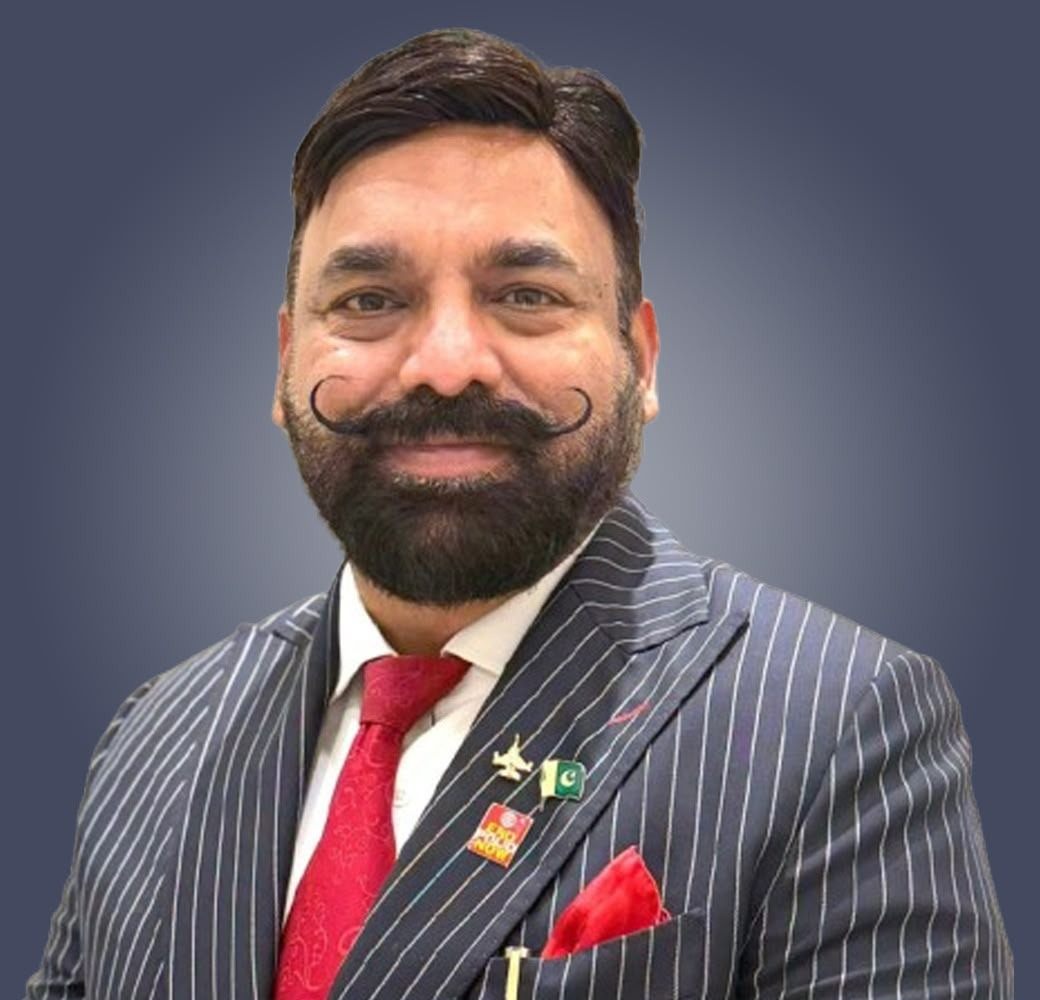
Future Skills will play a greater role than academic qualifications in determining career success as artificial intelligence, automation and digital transformation reshape the global economy, according to Atif Iqbal, Group CEO of High Q.
In an opinion article titled “Beyond Degrees: Preparing the Next Generation for Tomorrow,” Iqbal argues that while formal education remains essential, employers increasingly value critical thinking, creativity, adaptability, communication skills and emotional intelligence alongside academic credentials.
Riyadh Air: Airline Opens Ticket Sales for Islamabad and Lahore Flights
He says today’s young people face an unprecedented pace of technological change, making lifelong learning and continuous skill development essential for long-term success.
According to Iqbal, educational institutions, parents and teachers should move beyond an examination-focused approach and encourage curiosity, independent thinking and innovation. He says students should be given the confidence to question ideas, embrace new opportunities and treat failure as an important part of learning and personal growth.
He also highlights the growing role of technology in expanding access to education and professional development. Digital platforms, he notes, allow students to connect with global institutions, collaborate internationally and acquire technical skills regardless of their location.
However, Iqbal cautions that technology should remain a tool rather than a replacement for human values. He says qualities such as integrity, empathy, resilience and ethical decision-making will remain essential in a workplace increasingly shaped by artificial intelligence.
The article also examines the changing nature of leadership. Iqbal argues that modern leaders succeed by building trust, encouraging collaboration and creating opportunities for others rather than relying solely on authority. He says mentorship, practical experience and exposure to diverse perspectives are vital in developing these leadership qualities.
Addressing young professionals, Iqbal says sustainable careers require patience, discipline and continuous learning rather than expectations of rapid success. He encourages young people to view setbacks as opportunities to strengthen their skills and prepare for greater responsibilities.
He also calls on businesses to invest more actively in developing young talent through mentorship, professional training and inclusive workplace cultures. According to Iqbal, organisations that nurture future leaders strengthen both their own competitiveness and the wider economy.
Highlighting Pakistan’s demographic advantage, he says the country’s large youth population presents a significant opportunity, provided that government, academia, industry and civil society work together to improve education, digital literacy, entrepreneurship and ethical leadership.
Iqbal concludes that while university degrees may create opportunities, long-term success depends on character, adaptability and a commitment to lifelong learning. He says combining education with practical skills, innovation and ethical leadership will help build a generation capable of driving sustainable economic and social progress.