A leader of India’s youth-led “Cockroach” movement, Saurav Das, has said authorities stopped him from leaving New Delhi to travel to Britain for a series of talks about the movement’s protests.
Das, 27, has emerged as a prominent figure in the Cockroach Janta Party (CJP), which has attracted millions of social media followers since its launch in May.
He was scheduled to fly to Britain early Tuesday but said immigration officials at the airport informed him that his passport had been flagged.
The incident comes a month after authorities detained Das for defying a security crackdown in New Delhi during protests demanding the resignation of India’s chief election commissioner.
In a social media post late Monday, Das criticised the government for preventing his departure.
“This coward government did not allow me to board my flight to London where I was invited by prestigious universities like Oxford, Cambridge, LSE (London School of Economics), Edinburgh to deliver talks on the cockroach movement,” he wrote.
Maryam Nawaz’s Possible Rise as PML-N President Sparks Succession Debate
He added that Indian students had worked hard to organise the events and accused the government of fearing his appearance at the institutions.
Das was scheduled to address the Oxford Union on December 1.
Cockroach Movement and Protests in India
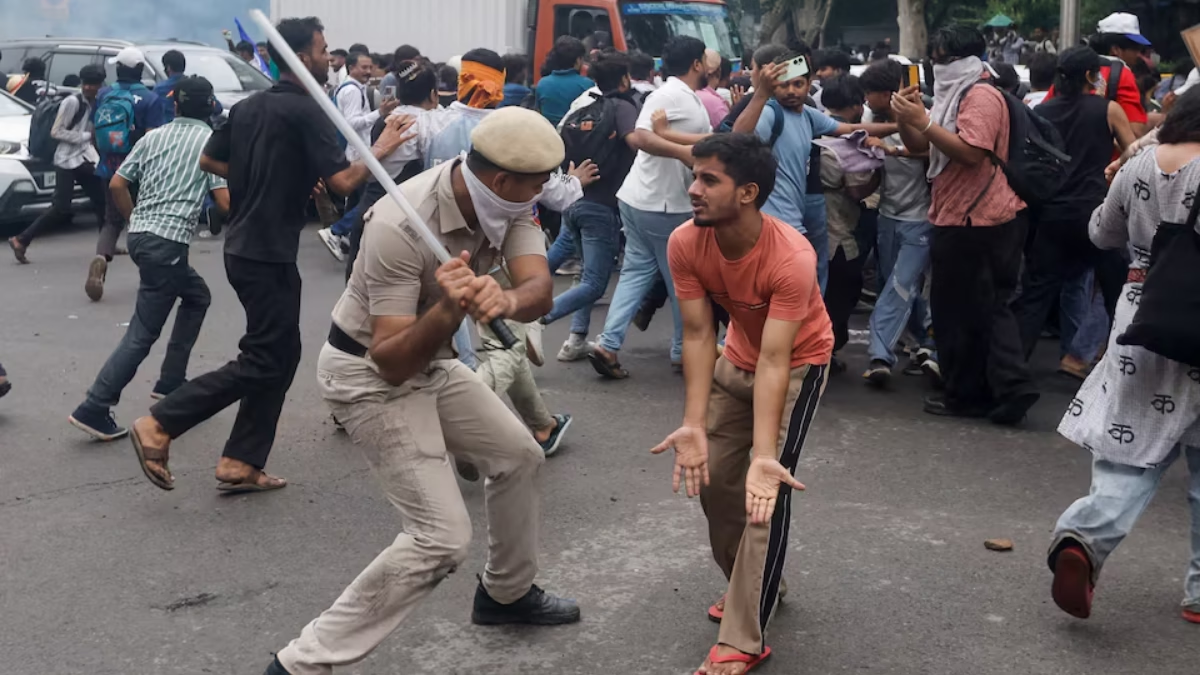
The Cockroach Janta Party organised protests in July over alleged examination irregularities. The demonstrations reportedly forced India’s education minister to resign, marking an unusual setback for Prime Minister Narendra Modi’s government.
The movement has gained attention through its youth-led protests and strong social media presence.
Concerns Over Freedom of Expression
The incident has renewed attention on concerns surrounding freedom of expression and political dissent in India.
Critics have argued that human rights and press freedom have declined since Modi came to power in 2014.
Earlier this month, India reportedly denied entry to more than 100 foreign speakers invited to a democracy summit organised by the opposition Congress party. Those affected included a Norwegian journalist who had previously questioned Modi about press freedom.
In another widely reported case in 2022, Indian authorities prevented Sanna Irshad Mattoo, an award-winning photographer from Indian-administered Kashmir, from travelling to the United States to receive her Pulitzer Prize.
Das’s reported travel restrictions have added to the debate over the treatment of activists, journalists and critics in India.