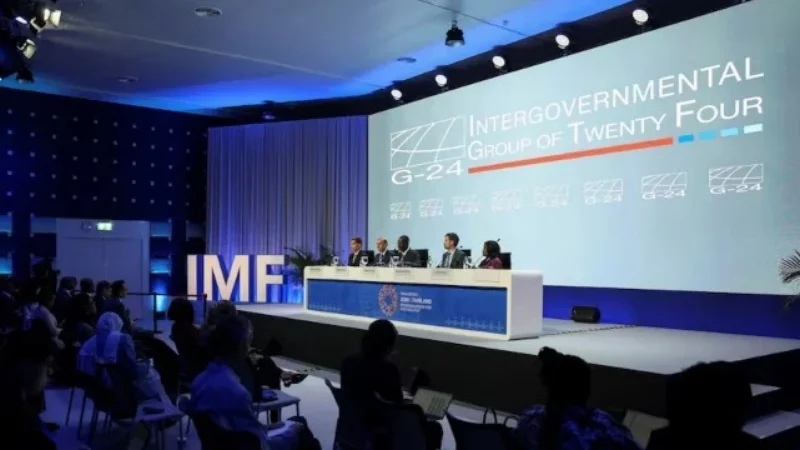
Pakistan has assumed the chairmanship of the Group of 24 (G-24), with Finance Minister Muhammad Aurangzeb pledging to strengthen developing countries’ influence in global financial decisions and improve their access to development financing.
The Finance Ministry announced the development on Sunday, saying Pakistan would focus on promoting a fairer international financial system and addressing major challenges facing developing economies, including climate change, debt pressures and financing gaps.
Aurangzeb described the chairmanship as a significant responsibility and called for stronger international cooperation and more representative multilateral institutions.
“The future of developing economies is not peripheral to the future of the global economy. It is central to it,” he said, highlighting the contribution of developing nations to investment, innovation, entrepreneurship and economic growth.
Pakistan Outlines Three Key Priorities
Aurangzeb identified three central priorities for Pakistan’s G-24 leadership: development-led growth, stronger representation for developing countries and reform of the international financial system.
He said Pakistan would work to place development at the centre of global economic policymaking, ensuring that economic stability translates into increased investment, higher productivity, employment opportunities and shared prosperity.
Government, Jamaat-e-Islami to Hold Final Petroleum Levy Talks on November 3
The finance minister also called for more inclusive decision-making within international financial institutions, particularly the International Monetary Fund (IMF) and the World Bank.
He stressed that developing countries deserved fairer representation and a stronger role in decisions that directly affect their economies.
Pakistan’s third priority will focus on building a development-oriented financial system through affordable and timely financing, sustainable debt solutions, stronger financial safety nets and increased investment in climate resilience.
“Our task is to ensure that the immense potential of developing economies is not constrained by an international financial architecture that has yet to fully adapt to a changing world,” Aurangzeb said.
Pakistan Pledges Cooperation with Global Partners
Drawing on Pakistan’s experience with economic stabilisation and reforms, Aurangzeb said developing countries needed adequate financial support and policy flexibility to achieve sustainable economic growth.
He pledged to work closely with G-24 members from Africa, Asia, Latin America and the Caribbean, as well as the IMF, World Bank and other international partners, to translate shared priorities into practical outcomes.
The minister acknowledged Nigeria’s leadership as the outgoing chair and said Pakistan would build on the progress made under its tenure.
“The true measure of our collective leadership will not simply be the strength of our voice, but the difference that voice makes,” he said.
Prime Minister Shehbaz Sharif Welcomes Appointment
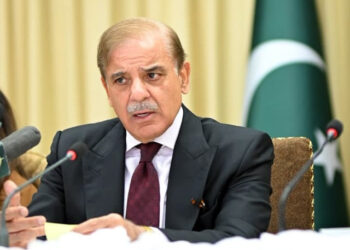
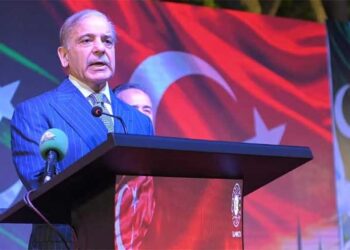
Prime Minister Shehbaz Sharif welcomed Pakistan’s appointment as G-24 chair, saying the responsibility would strengthen the country’s role in international economic affairs.
He also praised Pakistan’s participation in the annual meetings of the IMF and World Bank, noting that the new position would enhance the country’s representation in global financial discussions.
Aurangzeb said Pakistan would seek to advance the G-24’s mission “from collective voice to collective influence, and from collective influence to meaningful progress.”