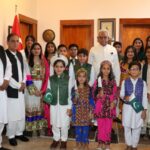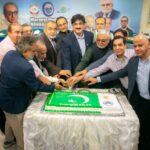
The Arts Council of Pakistan Karachi inaugurated the third edition of the World Culture Festival Karachi 2026 with a grand opening ceremony attended by prominent political figures, diplomats, artists and distinguished guests from several countries.
Federal Minister Aurangzeb Khan Khichi, Karachi Mayor Murtaza Wahab, Provincial Minister Saeed Ghani, Sindh Inspector General of Police Javed Alam Odho and diplomats based in Karachi and Islamabad attended the ceremony.
President of the Arts Council of Pakistan Karachi, Muhammad Ahmed Shah, welcomed the guests. The ceremony began with the recitation of the Holy Quran, followed by the national anthem.
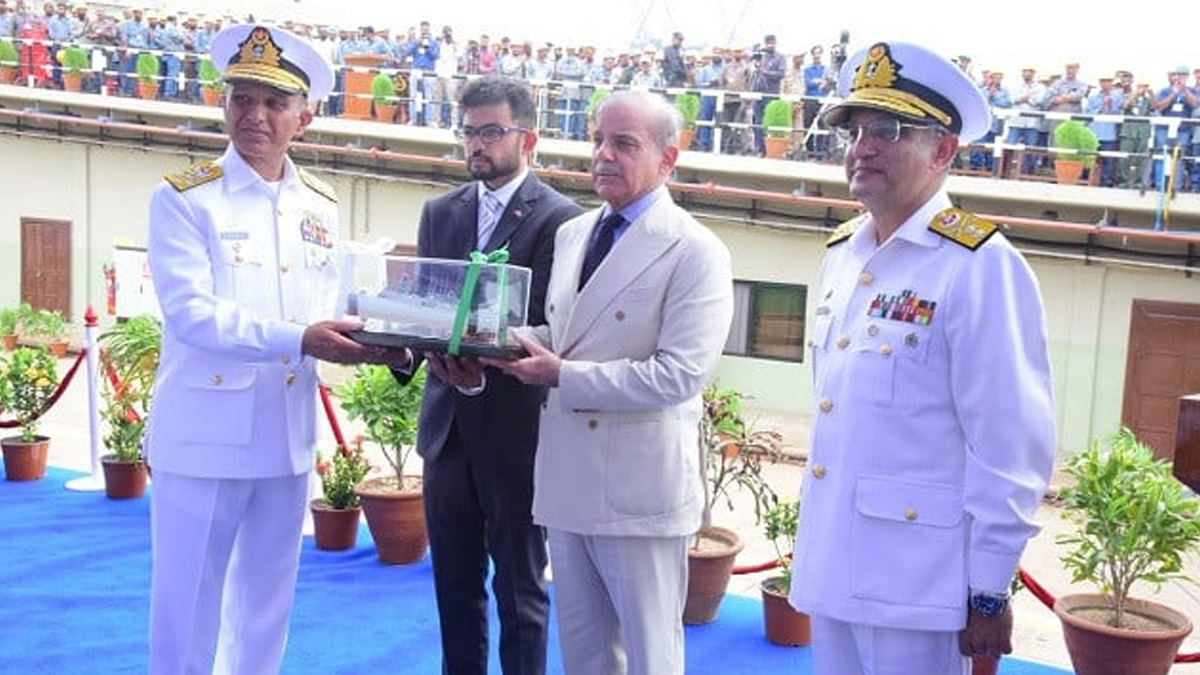
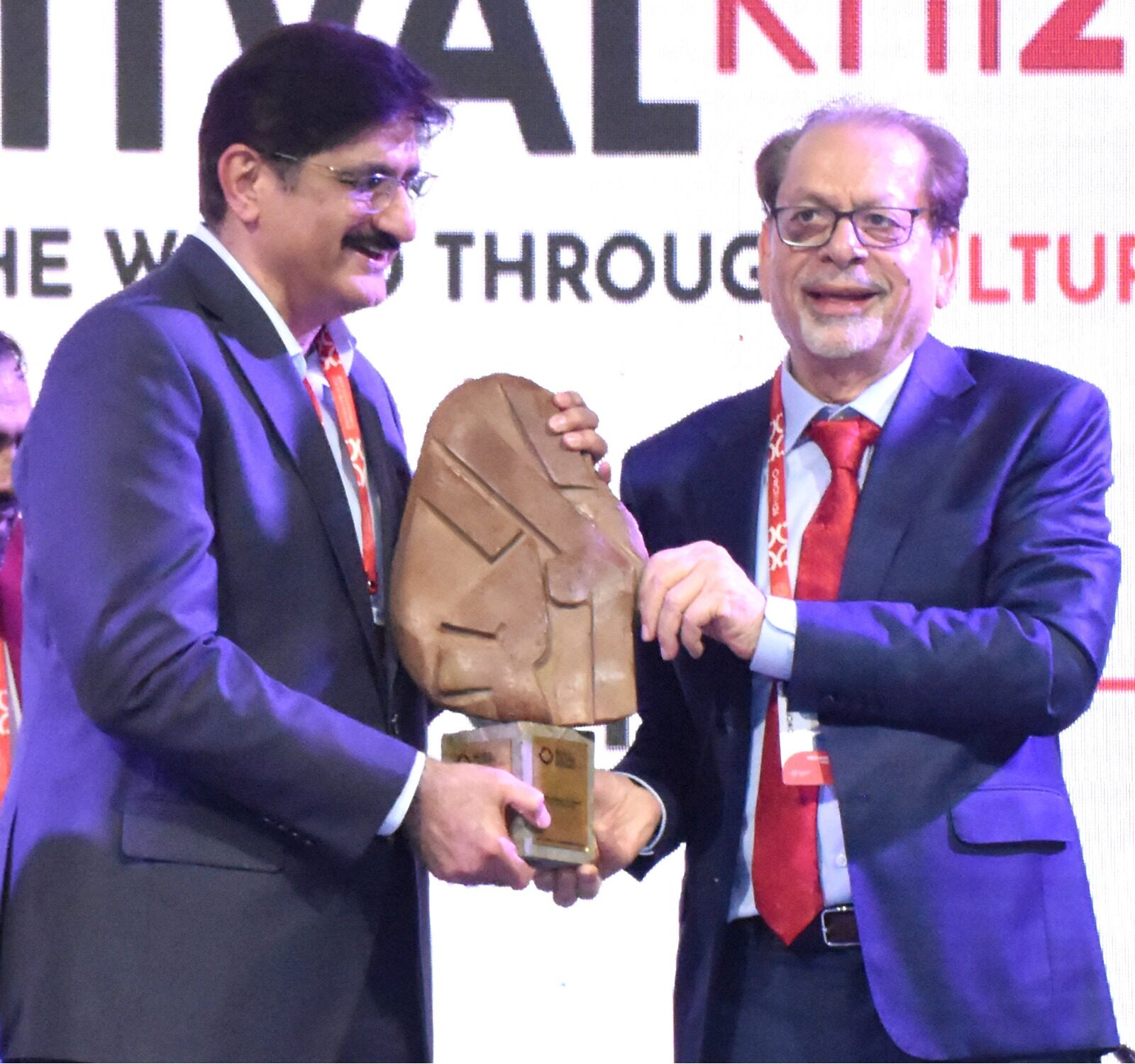
The Arts Council presented its World Culture Festival 2026 award to Sindh Chief Minister Syed Murad Ali Shah. Mayor Murtaza Wahab, Provincial Minister Syed Zulfiqar Ali Shah, Federal Minister Aurangzeb Khichi, Sindh Chief Secretary Asif Haider Shah and IG Sindh Javed Alam Odho also received awards. The chief minister and Muhammad Ahmed Shah later presented awards to visiting diplomats.
Murad Ali Shah Praises Arts Council for Promoting Global Unity
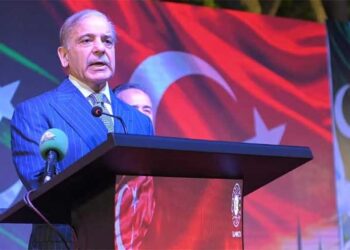
Addressing the ceremony, Chief Minister Murad Ali Shah described Sindh as a land of Sufis, love, brotherhood and tolerance. He said art and music brought people closer and helped build connections across borders.
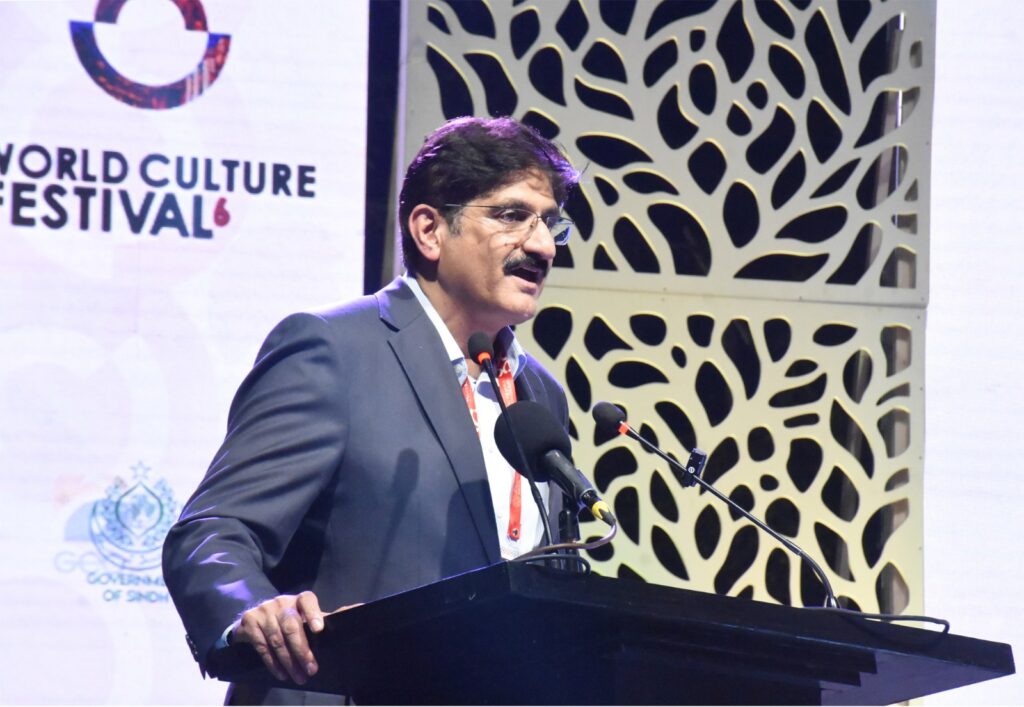
He said the Arts Council and the Sindh government had jointly organised the festival to bring artists and diplomats from around the world to Karachi.
Recalling the festival’s origins, Murad Ali Shah said Muhammad Ahmed Shah had approached him with the idea of organising an international cultural event involving representatives from 100 countries. He praised the Arts Council president for turning that vision into reality by bringing together participants from 150 countries.
The chief minister congratulated Muhammad Ahmed Shah and the Arts Council team, describing the festival as an outstanding international platform. He also welcomed foreign diplomats and guests to Karachi and thanked journalists and media organisations for covering the event.
Murad Ali Shah said Pakistan wanted to strengthen international friendships through art and culture.
“Pakistan is a peaceful and peace-loving country,” he said, adding that Sindh’s traditions and cultural heritage reflected a longstanding commitment to peace and harmony.
He expressed confidence that the festival would leave a lasting impression internationally and said Sindh would continue contributing to a peaceful and prosperous Pakistan.
The chief minister encouraged Muhammad Ahmed Shah to continue his cultural initiatives and remarked that the Arts Council’s grant could even be doubled if further efforts continued. He also announced plans for a grand closing ceremony and said the next edition would be bigger.
Muhammad Ahmed Shah Acknowledges Sindh Government’s Support
In his welcome address, Muhammad Ahmed Shah credited the Sindh government and Chief Minister Murad Ali Shah for supporting the Arts Council’s development.
He recalled that the organisation’s fortunes changed on July 29, 2016, when Murad Ali Shah became chief minister. During an early visit to the Arts Council, Shah said, the chief minister noticed that its building remained incomplete and immediately directed the release of Rs100 million to help complete the project.
Muhammad Ahmed Shah also recalled his association with the chief minister’s late father and said Murad Ali Shah had instructed the Arts Council to extend its activities beyond Karachi.
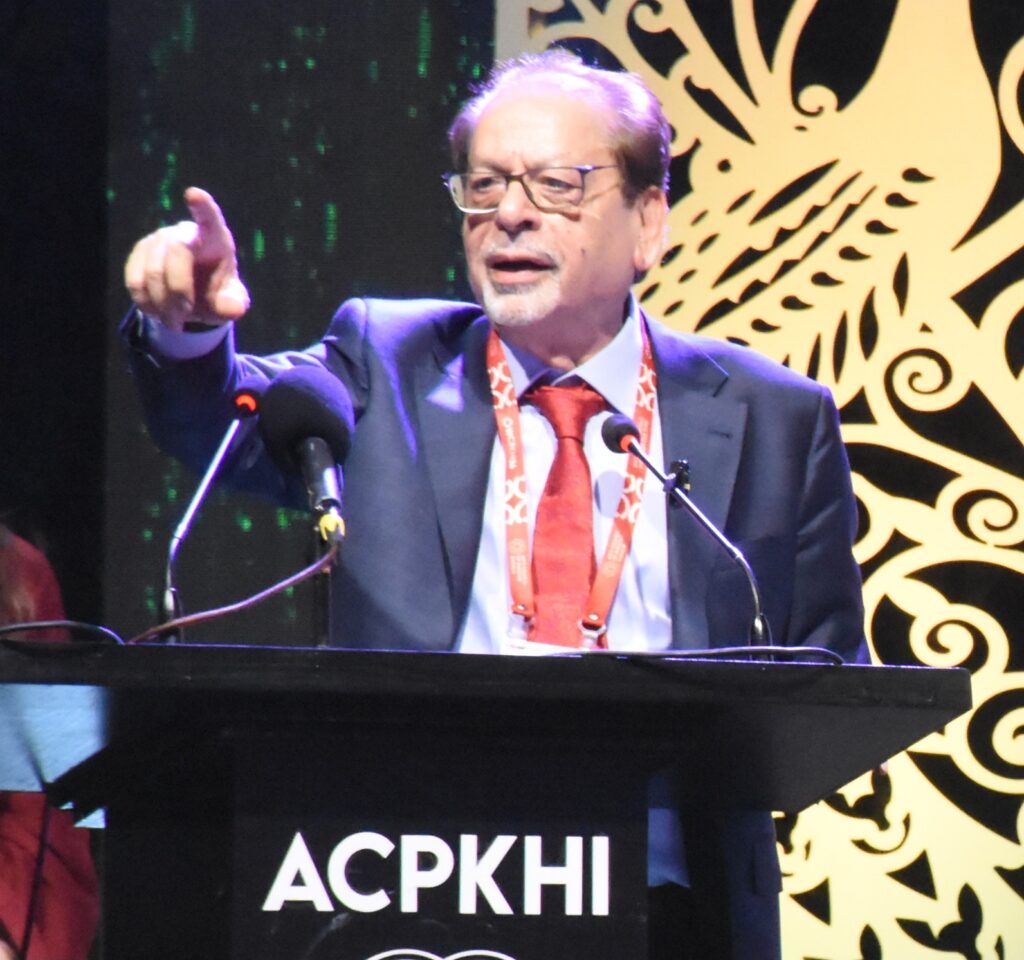
Following that direction, the council established centres in Hyderabad, Sukkur, Khairpur, Larkana and Mirpurkhas, creating opportunities for young people, musicians and visual artists across Sindh.
He described Sindh Chief Secretary Asif Haider Shah as a key supporter of the organisation and acknowledged the cooperation of provincial authorities, police and municipal departments.
He particularly praised officials who worked late into the night to resolve visa and airport arrangements for international artists. He also credited Karachi Police and the Special Security Unit (SSU), under the leadership of Ejaz Shah and Ahmed Naeem, for providing security to visiting participants.
Muhammad Ahmed Shah said the festival’s success reflected the efforts of the entire organising team rather than one individual.
He added that despite federal financial deductions, the chief minister had ensured that the Arts Council’s grant remained untouched. According to Shah, the council received Rs600 million in funding last year.
He also said the Arts Council was in direct contact with 40 diplomatic missions, while the number of international partners had increased from four to 62 within a year, including the European Union.
The British Council, Goethe-Institut, Alliance Française and the German Consulate had also supported participating artists by covering their expenses.
Muhammad Ahmed Shah thanked sponsors, international partners and journalists for helping bring the festival’s activities to audiences in Pakistan and abroad.
‘Method & Madness’ International Art Exhibition Opens
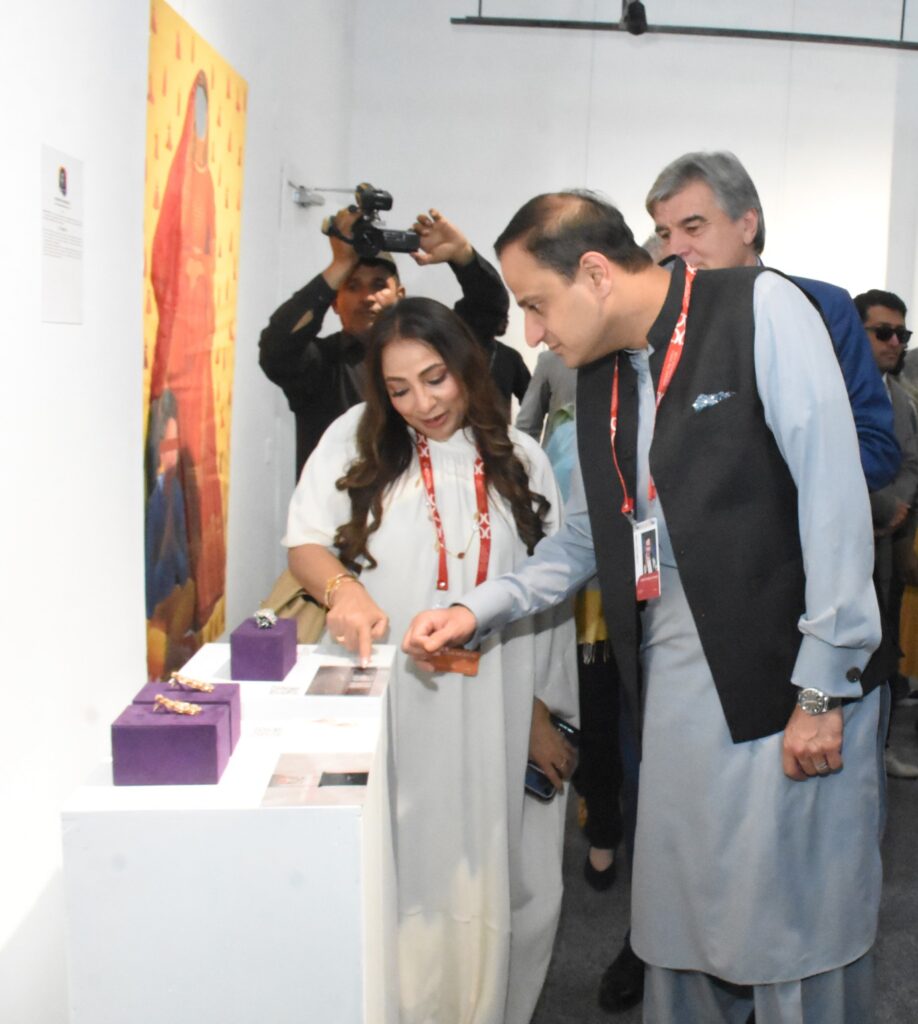
As part of the festival, Karachi Mayor Murtaza Wahab inaugurated the international art exhibition titled “Method & Madness” at the Ahmed Pervez Art Gallery.
The exhibition features works by 12 international and 14 Pakistani artists, with contributions representing Kenya, the United Arab Emirates, Ethiopia, Bangladesh, Germany, Iran and Pakistan.
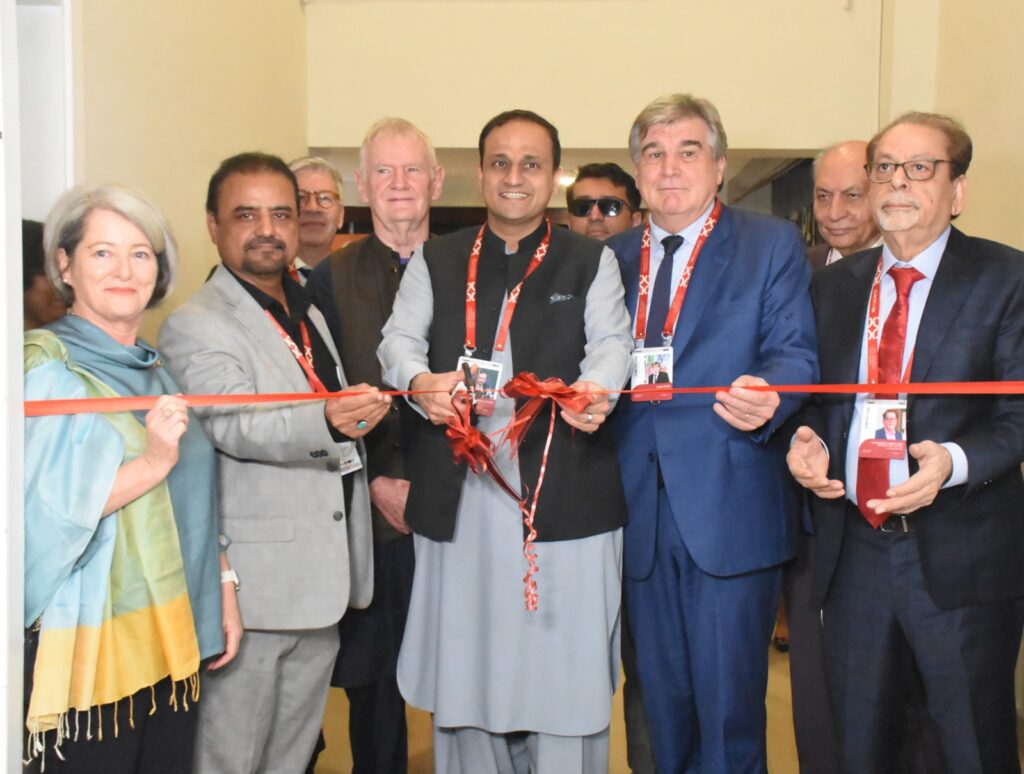
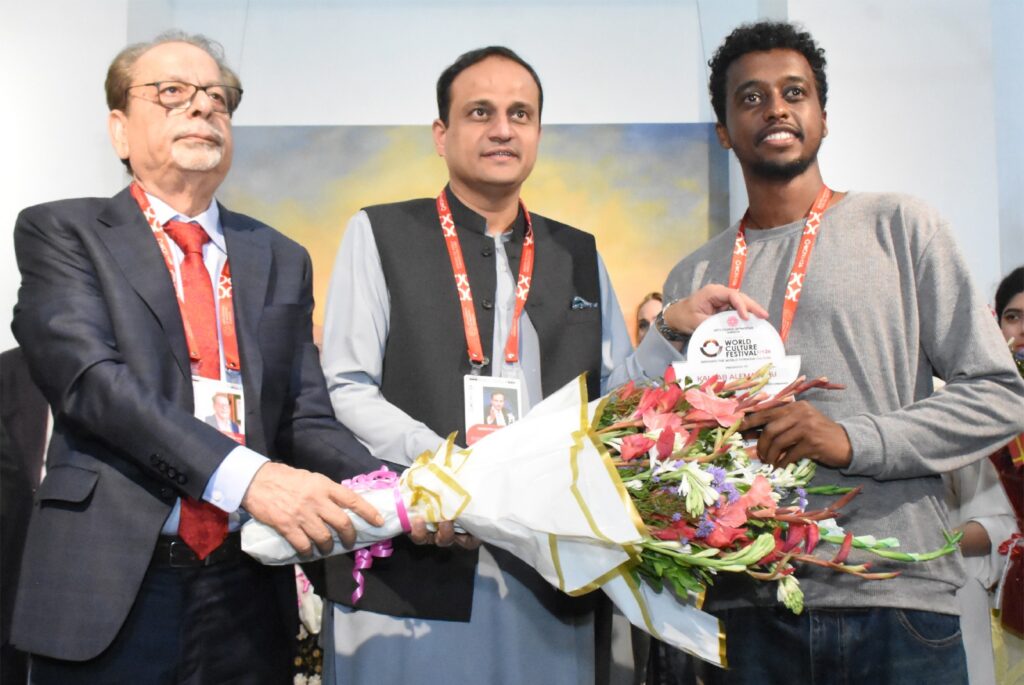
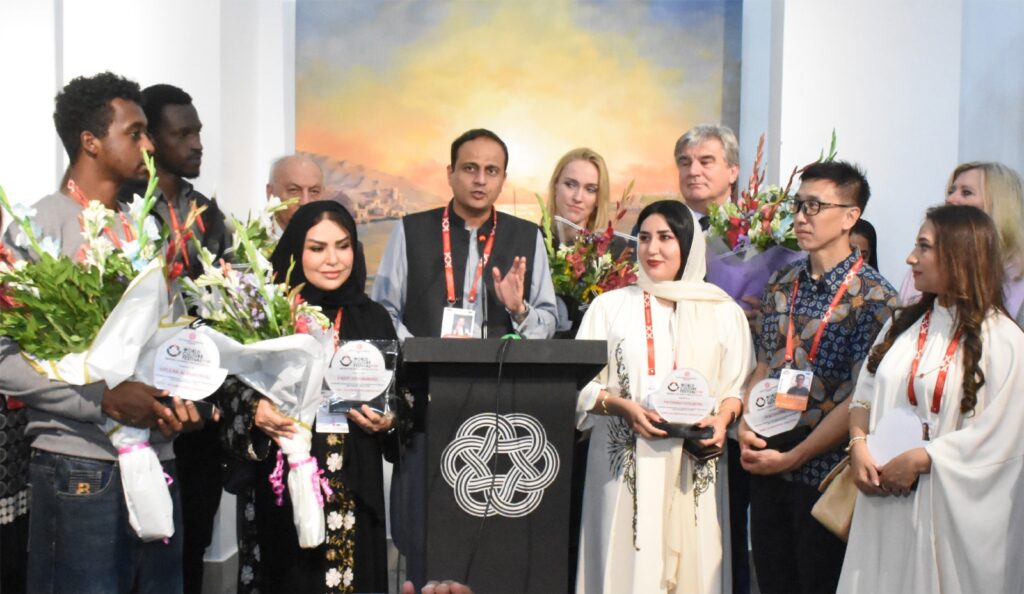
Welcoming the participating artists, Murtaza Wahab said Karachi was honoured to host creative professionals from around the world. He said the festival provided local artists with opportunities to learn from international participants and explore new creative perspectives.
The mayor noted that international artists had visited Karachi for the third consecutive edition of the festival. He said the city should welcome them warmly so they could return home with positive memories of Karachi’s culture, beauty and vibrant atmosphere.
International participants included Nelson Ijaka from Kenya, Faeze Mohammad from the UAE, Kaleab Alemayehu from Ethiopia, Monidipa Dasgupta, A Asan, Faria Khanum and Niharika Momtaz from Bangladesh, Petra Kaltenbach from Germany and the UAE, and Fatemah Houseyn from Iran and the UAE.
Pakistani artists featured in the exhibition included Shahid Rassam, Farrukh Shahab, Muhammad Zeeshan, Masood A. Khan, Muhammad Ali, Muhammad Kashif, Nazar-ul-Islam, Faheem Rao, Uzma Noor, Saleem Raza, Nauman Siddiqui, Bilal Mahmood and Aamir Ejaz.
The mural section also featured work by Domi Forest from Sweden and Yew Chong from Singapore.
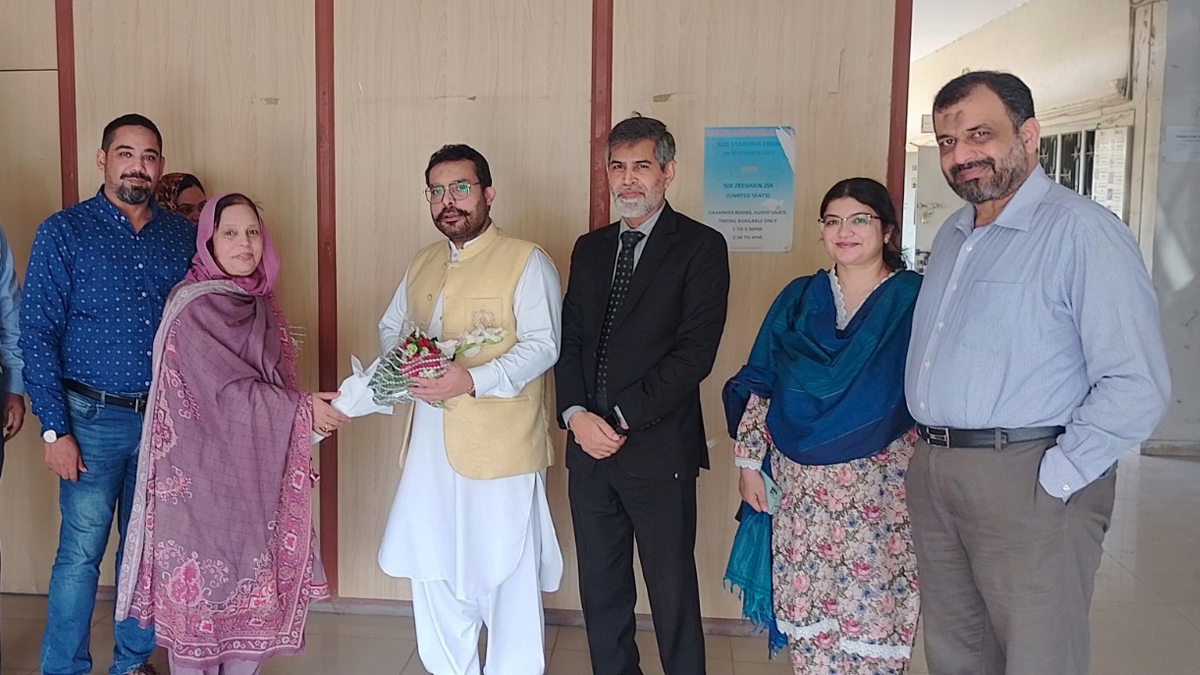
Diplomats from Karachi, Islamabad and other countries attended the exhibition. The Arts Council presented certificates of appreciation and bouquets to the international artists.
“Method & Madness” will remain open at the Ahmed Pervez Art Gallery until November 2.
Flamenco Workshop Introduces Spanish Dance Tradition
The festival’s second-day programme also featured a workshop on Flamenco, the renowned Spanish dance form.
International dancer Anabel Veloso led the workshop and introduced participants to Flamenco’s movements, rhythms and performance techniques.
During the session, she explained the term “Llamada”, which refers to a rhythmic change or signal used to indicate the beginning of the next dance sequence.
‘Music of the Soul’ Brings International Performers Together
The evening programme, titled “Music of the Soul”, brought together musicians from Pakistan, Japan, the United Kingdom, France, Switzerland, Canada and Germany.
Nisar Baloch performed with Shah Jo Raag, presenting a soulful musical performance that entertained the audience. Juna Serita, Basharat Babar and the Zendeh Delan group also captivated listeners with their distinctive performances.
Another programme, “Enchanting Moves”, featured a musical performance by Alif Dua. Spain’s Flamenco dance group joined Pakistani performers Aahang and Wahab Shah for a series of performances that received an enthusiastic response from the audience.
The 25-day World Culture Festival Karachi 2026 continues to bring international artists and local performers together through exhibitions, workshops, music and dance, strengthening cultural exchange and presenting Karachi as a platform for artistic collaboration.