The Standing Committee on Fisheries and Aquaculture of the Federation of Pakistan Chambers of Commerce and Industry (FPCCI) has called for measures to expand seafood exports, promote aquaculture and improve harbour infrastructure to strengthen Pakistan’s blue economy.
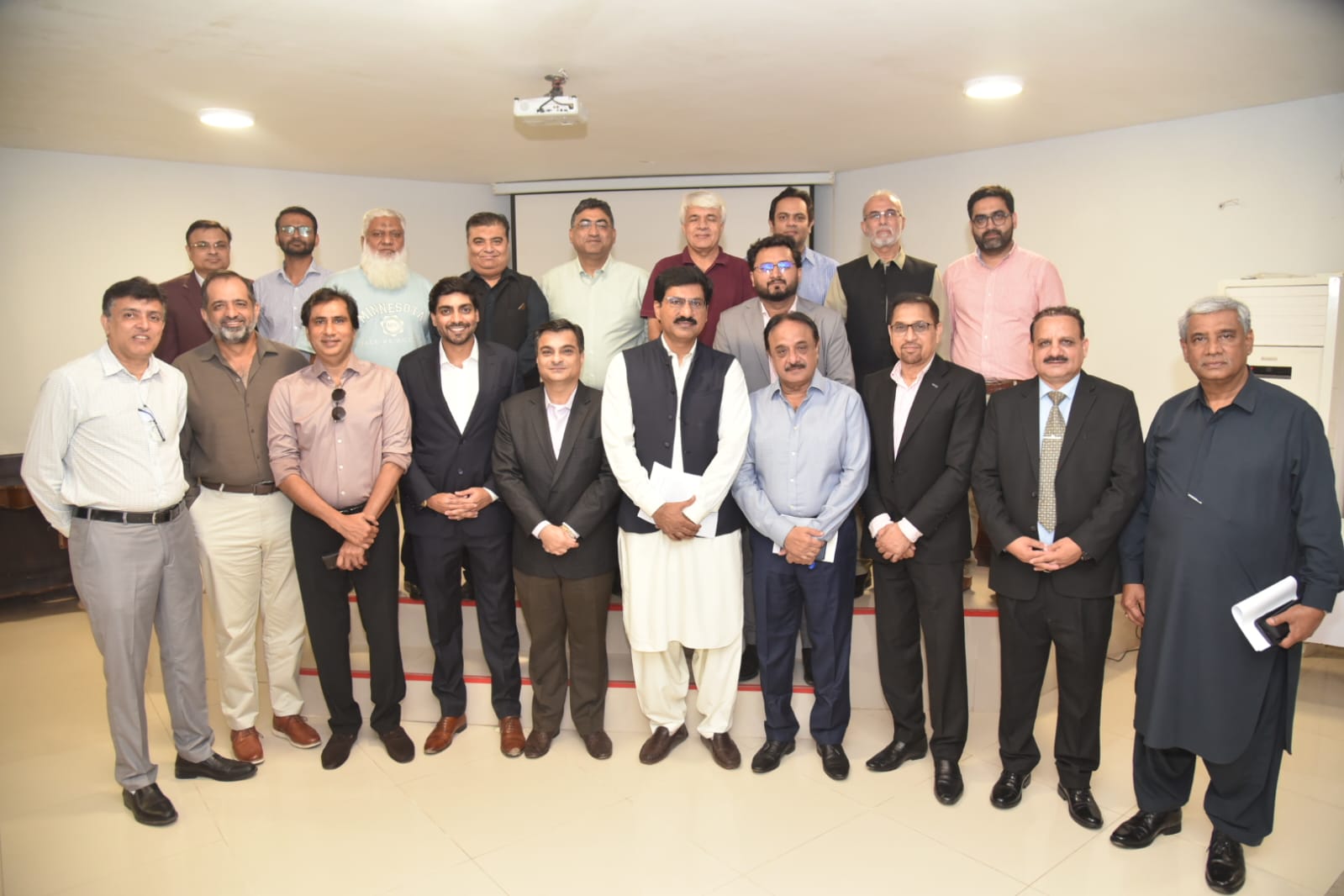
The committee held its inaugural meeting at FPCCI’s head office in Karachi, chaired by Convener Ali Pesnani and Deputy Convener Hussain Sangji.
The meeting brought together government officials, port authorities, seafood exporters, logistics providers and industry representatives to discuss ways to improve the competitiveness of Pakistan’s fisheries sector.
Participants included Aasim Abrar, chairman of the Korangi Fish Harbour Authority; Dr Mansoor Wasan, director general of the Marine Fisheries Department; and Noorul Haq Baloch, chairman of the Gwadar Port Authority.
Other attendees represented seafood processing, aquaculture, fisheries, logistics, research and development, and related businesses.
Focus on Exports and Value Addition
Participants discussed strategies to increase Pakistan’s seafood exports through value addition, aquaculture development, fish farming and access to new international markets.
Mahmood Ahmed Khan Congratulates Hanif Gohar on Election as ABAD Chairman
The meeting also highlighted the need to improve harbour facilities and conditions for fishing boats to support more efficient operations and better handling of seafood.
Members discussed engaging the federal government to explore the use of the Export Development Fund (EDF) for industry support and harbour development.
Another key proposal was to grant the fisheries sector formal industry status, with the aim of increasing investment, improving infrastructure and expanding its contribution to Pakistan’s gross domestic product.
Blue Economy Identified as a National Priority
The committee unanimously recognised the blue economy as vital to Pakistan’s long-term economic future.
Participants stressed the importance of coordinated efforts between industry stakeholders and government institutions to address structural challenges and unlock the sector’s export potential.
The committee will submit its recommendations to FPCCI leadership and the relevant federal ministries for consideration and policy action.