TASHKENT: Uzbekistan has announced a new package of business and investment measures aimed at expanding private-sector financing, strengthening property and tax protections, and attracting greater participation from international investors.
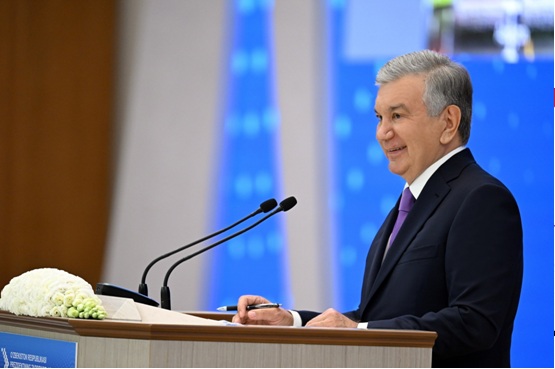
The measures were outlined by President Shavkat Mirziyoyev during an Open Dialogue with entrepreneurs in Khiva, Khorezm Region. The government has presented the initiatives as part of its broader effort to improve the business environment and deepen Uzbekistan’s integration into global value chains.
According to the Uzbek authorities, the number of registered business entities has risen to more than 530,000, while the private sector has created around 2.4 million permanent jobs. The government also says the country has recorded a historic high in exports.
Bill Gates Calls for Mandatory AI Safeguards and US Legislation
A major focus of the new measures is improving access to finance for businesses and investment projects. The State Fund for Entrepreneurship Support is being redirected toward services and medium-sized businesses, while an additional $100 million has been allocated for credit guarantees.
The government has also introduced grants and preferential financing of up to 10 billion Uzbek sums for high-growth companies. The programme is intended to support innovative and technology-focused businesses, including ventures involving foreign capital.
Uzbekistan also plans to cover up to 50 per cent of the costs incurred by companies placing their products on major international e-commerce platforms. Officials say the measure is intended to help joint ventures and domestic businesses reach overseas consumers and expand exports.
Investor protection and regulatory stability were another central theme of the Khiva dialogue.
The government is introducing a “single window” approach to tax-risk assessment and plans to eliminate duplicate inspections by regulatory agencies. The process for identifying tax gaps is also being revised with participation from the business community.
Authorities have simultaneously announced tougher penalties for unlawful interference by government bodies in the activities of businesses.
The reforms also include measures targeting green investment and sustainable development. Businesses investing in energy-efficient technologies and solar power generation are being offered tax deductions, accelerated depreciation and selected tariff incentives.
Uzbekistan is also developing a national certification system for “green” products as part of its efforts to align domestic production with international environmental standards and European carbon-related requirements.
The choice of Khiva as the venue for the dialogue also highlighted the government’s focus on regional development. In Khorezm, authorities are establishing special legal regimes for pharmaceutical, textile and IT clusters, with plans to connect them more closely to transport and logistics corridors linking Central Asia with markets in the Middle East, South Asia and Europe.
The government is also introducing a full infrastructure-readiness approach in special economic zones. Under the proposed system, engineering and utility networks would be completed by the state before management companies or investors begin operations.
The measures reflect Uzbekistan’s broader effort to shift from individual business reforms toward a more institutional approach to investment and private-sector development.
The government says the reforms will provide greater access to financing, strengthen investor protections and support businesses seeking to enter international markets.
For international companies, the measures could create additional opportunities in sectors including technology, manufacturing, pharmaceuticals, textiles, renewable energy and logistics as Uzbekistan seeks to expand its role in regional and global trade.