
Pakistan has taken an important step towards shark conservation with the launch of the National Plan of Action for the Conservation and Management of Sharks (NPOA-Sharks Pakistan 2025–2035) on 8 September 2026. According to the Government of Pakistan, the plan will be implemented in three phases under the Marine Fisheries Department, with oversight from a multi-stakeholder National Advisory Committee. The government estimates US$3.8–5 million for the first five years, focusing on illegal finning, bycatch mortality, critical habitats, coastal livelihoods and sustainable shark fisheries.
The policy is timely, but its success will depend on scientific evidence. Pakistan does not yet have a reliable national estimate of total shark abundance in its waters. The frequently quoted figure of 1.99 million sharks should therefore not be described as Pakistan’s shark population. A 2025 Pakistan Journal of Zoology study recorded 1.99 million individual sharks in landings at four Pakistani sites during 2017–2018. It identified 41 species from 11 families, making the figure a fisheries-landing record rather than a population estimate. A separate 2025 taxonomic assessment also confirmed 41 shark species in Pakistani waters and highlighted gaps in species identification and biological information.
The most important development in 2026 is the strengthening of scientific assessment. According to the Indian Ocean Tuna Commission (IOTC) 2026 Working Party on Ecosystems and Bycatch, current work includes geo-referenced catch-and-effort data, shark size-frequency information and data-limited assessment methods for pelagic sharks. The 2026 programme also covers blue shark, silky shark, hammerheads and other priority species. Pakistan has contributed Pakistan-specific pelagic-shark information to this process through an IOTC paper released in April 2026. Because its underlying observations cover earlier fishing periods, however, it should be treated as baseline scientific evidence rather than a 2026 population estimate.
This distinction should shape implementation of the NPOA. Pakistan needs consistent species-level catch data, fishing effort, size composition, geographic distribution and population-trend indicators. Without these, it will be difficult to determine whether conservation measures are actually working.
Bycatch deserves particular attention. IOTC scientific work and Pakistan’s fisheries research show that sharks interact significantly with tuna fisheries, including gillnet operations. Management should therefore address not only directed shark fishing but also accidental mortality through improved species identification, catch recording, gear-based mitigation, safe-release practices and stronger monitoring at sea and landing sites.
The regional framework is already in place. IOTC Resolution 25/08 on the conservation of sharks caught in association with IOTC-managed fisheries became applicable on 1 January 2026. Pakistan’s 2026 IOTC compliance submission reports national measures to implement this resolution, including requirements relating to shark finning and landing practices. The NPOA should be fully integrated with these regional obligations so that Pakistan’s national monitoring and data contribute directly to IOTC assessments.
Vessel Monitoring Systems can strengthen this approach. If vessel positions are linked with fishing effort, gear, catch and species records, Pakistan can identify fisheries and areas associated with high shark interactions. This would allow management to be more targeted, using gear modifications, seasonal measures or spatial protection where scientific evidence supports them.
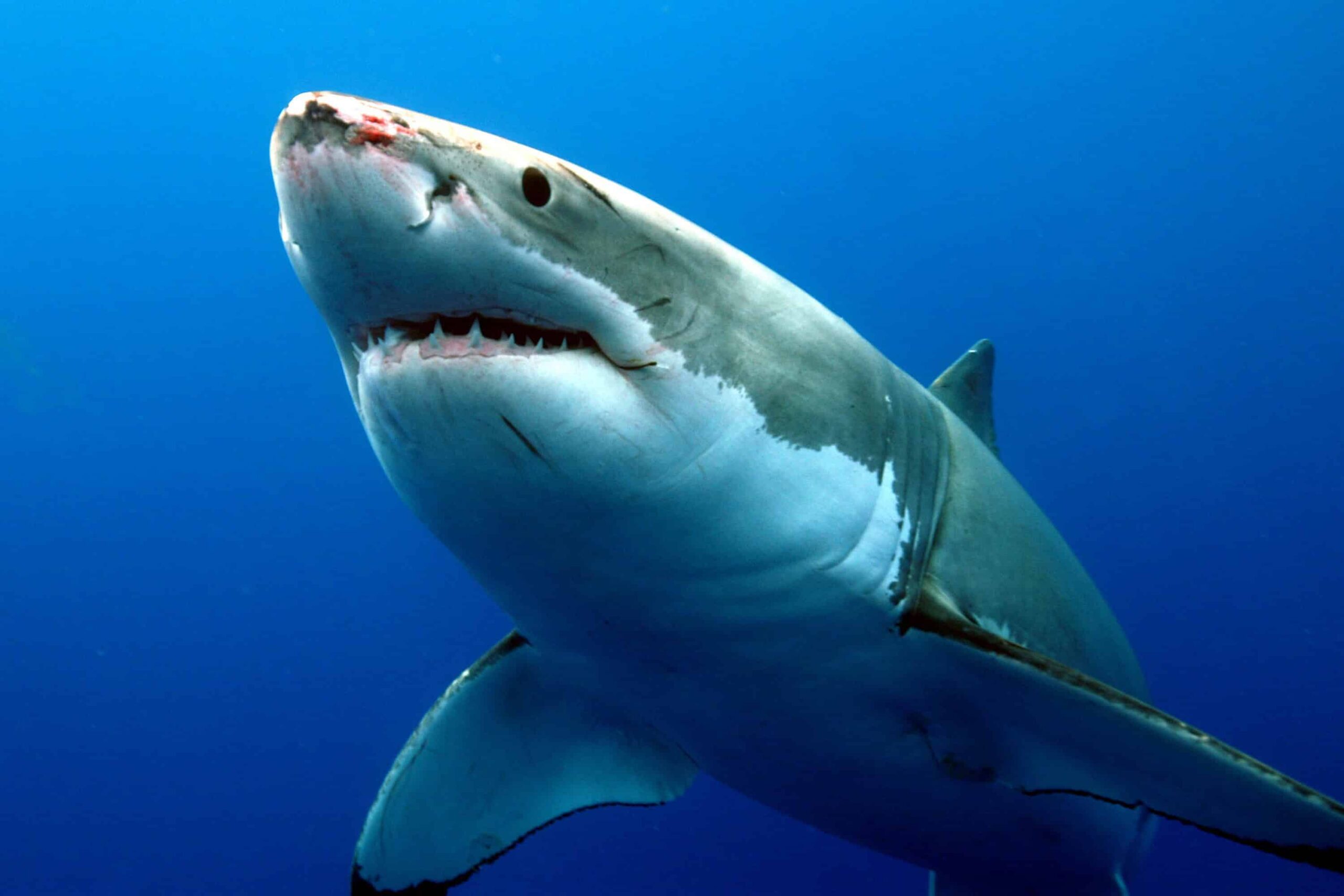
Species-specific management is equally important. Pakistan’s documented shark fauna includes blue shark, shortfin mako, longfin mako, silky shark, oceanic whitetip, thresher sharks, hammerheads and whale shark, among others. These species differ in life history, migration and vulnerability; therefore, “shark conservation” cannot be treated as a single management problem.
Implementation will also require coordination between federal and provincial fisheries authorities, research institutions and enforcement agencies. Since many shark species are migratory, management must extend beyond administrative boundaries. Fishing communities should likewise be involved in species identification, catch reporting, safe-release practices and community monitoring, particularly because the NPOA itself recognises the importance of coastal livelihoods.
The success of the plan should be judged by measurable results. By 2030, Pakistan should have stronger species-level fisheries data, improved monitoring, reduced shark bycatch, better compliance with IOTC measures and credible indicators of population trends.
Pakistan now has the policy framework. The real challenge is to make it scientifically measurable, effectively enforced and visible in the water. Sustainable shark populations are not only a conservation objective; they are part of the ecological foundation on which Pakistan’s long-term fisheries and coastal economy depend.
About the Author: Dr. Nazia Sher, Research Associate at NIMA, Bahria University, working on fisheries, marine affairs, and the Blue Economy.