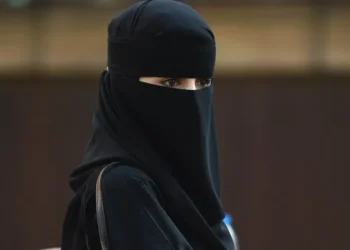
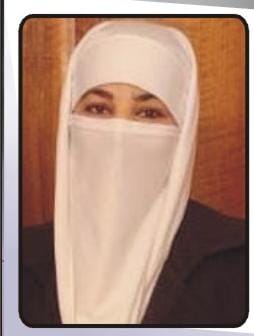
As World Hijab Day approaches on September 4, a Pakistani writer has called for a broader public discussion on modesty, arguing that responsibility should not be placed solely on women’s clothing but should also include men’s behaviour, intentions and gaze.
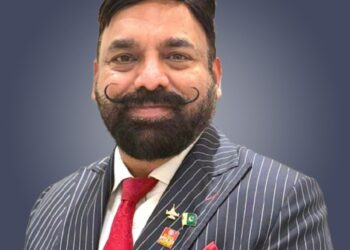
In an article titled “Hijab Beyond a Woman’s Dress: The Overlooked Duty of a Man’s Gaze,” Shabana Ayaz said public discussions surrounding the hijab often focus primarily on women while overlooking Islamic teachings that also place responsibilities on men.
The writer said the concept of haya, or modesty, extends beyond clothing and includes behaviour, speech, intentions and the way individuals interact with others.
Referring to Surah An-Nur, Ayaz highlighted that the Quran instructs believing men to lower their gaze and guard their conduct, before outlining similar responsibilities for women.
She argued that a woman’s clothing should never be used to justify harassment, abuse or sexual violence.
“Whether a woman is covered or uncovered, she is entitled to dignity and safety,” the article stated, stressing that children must be protected regardless of what they wear.
Hike in Taxes, Electricity Charges Driving Economic Hardship, Says Hafiz Naeem
The writer also raised concerns over sexual violence and harassment in Pakistan, arguing that society must place greater emphasis on teaching boys about personal boundaries, respect, consent and responsible behaviour.
Ayaz said families often focus on teaching daughters how to protect themselves but do not always place the same emphasis on educating sons about respecting women and preventing harmful behaviour.
Drawing on observations from public transport in Türkiye and comparing them with experiences in Karachi, she argued that women should be able to move freely and safely in public spaces regardless of their clothing.
The article also referred to recent cases involving children who were allegedly subjected to sexual violence, arguing that such incidents demonstrate why clothing cannot be used to explain or justify abuse.
According to the writer, preventing sexual crimes requires more than awareness campaigns and religious discussions. She called for stronger legislation, effective policing, modern forensic systems, reliable protection mechanisms and swift enforcement of justice.
Ayaz said society must create greater certainty that those responsible for sexual violence against women and children will face consequences under the law.
The writer concluded that promoting the hijab of the gaze, intentions and character should be treated with the same seriousness as discussions surrounding women’s dress.
“Civilisation is not measured solely by what a woman wears,” she argued. “The real test is what a man does when he looks at her.”