
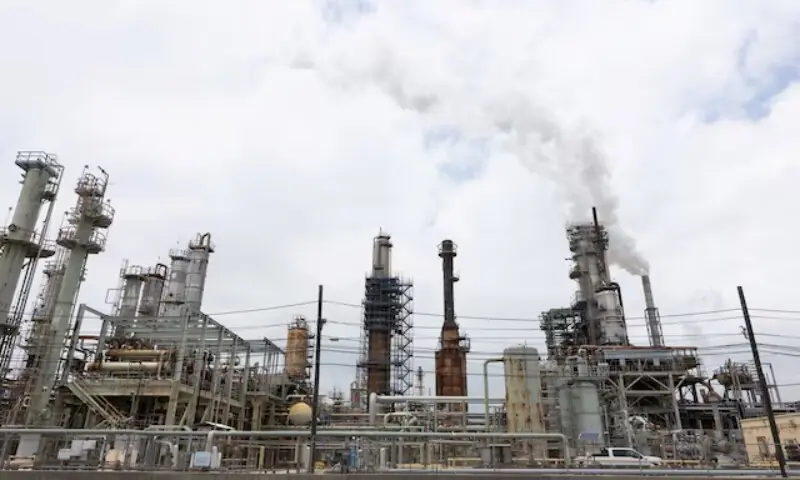
An energy report says higher gas prices pushed US power producers back to coal, while growing electricity demand lifted global carbon emissions in 2025.
The United States accounted for about one-third of the increase in global energy-related carbon emissions in 2025 after higher natural gas prices prompted many power producers to switch back to coal, according to a new Energy Institute report.
The report, produced in partnership with Ember, Kearney and KPMG, said global carbon emissions from the energy sector increased by 1.1% to 35,806 million metric tonnes of carbon dioxide during the year.
US coal use reverses cleaner energy trend
Higher gas prices encouraged many US electricity producers to rely more heavily on coal.
As a result, US coal consumption rose by 10% in 2025, reversing recent progress toward cleaner energy sources. Consequently, the United States contributed more than one-third of the global increase in emissions.
Meanwhile, North America also broke a decade-long trend of declining emissions. Instead of falling by an average of 0.7%, regional emissions increased during the year.
Renewables continue to expand
Despite the rise in emissions, renewable energy remained the largest contributor to global energy growth.
Overall energy supply increased by 1.7% from 2024. At the same time, renewable electricity generation climbed 9.1%, driven by a 30% surge in solar power.
However, rising electricity demand continued to outpace supply. Demand grew by 3%, largely because of expanding electric vehicle adoption, artificial intelligence and the rapid growth of data centres.
Regional emissions show mixed picture
Elsewhere, Europe’s energy-related carbon emissions increased by 0.5% in 2025.
Similarly, China’s emissions rose by 0.7%. However, the report noted that China’s gasoline and diesel consumption continued to decline, extending a trend that began in 2024.
Oil and gas demand remains strong
Global oil consumption rose by 1.3% to 103 million barrels per day in 2025. In comparison, oil production expanded by 3.5% during the same period.
Furthermore, natural gas demand grew most strongly in Europe, North America and the Middle East. The report added that Europe and India imported nearly half of their gas supplies to meet domestic demand.