The Tariff Rationalization initiative advanced in Pakistan as the Pakistan Single Window (PSW) and the National Tariff Commission (NTC) signed an agreement to automate and digitize tariff-related processes. The move is part of broader efforts to modernize trade policy systems and improve efficiency in decision-making.
The development is significant because Tariff Rationalization is closely linked to improving trade competitiveness, reducing delays in policy implementation, and strengthening data-driven governance. The agreement aims to enhance transparency and streamline regulatory processes through digital integration.
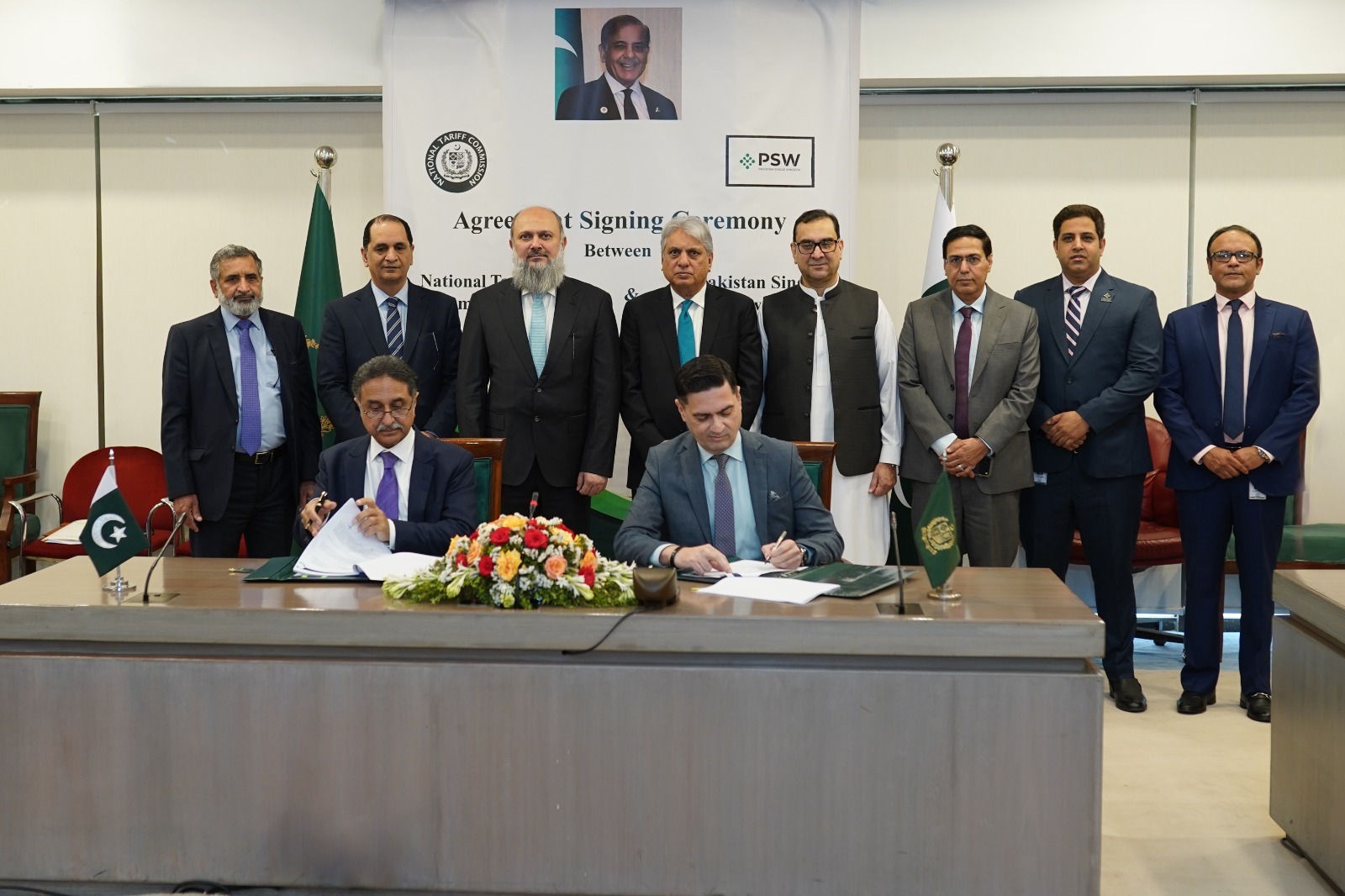
PSW NTC Agreement Signed in Islamabad
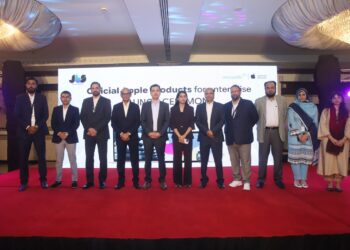
The agreement was formally signed by NTC Chairman Dr. Jawwad Uwais Agha and PSW CEO Syed Aftab Haider during a ceremony in Islamabad.
The initiative reflects the government’s push toward digital transformation of key economic institutions. Moreover, officials emphasized that automation will help reduce procedural delays and improve coordination between departments involved in trade regulation.
Commerce Minister Backs Digital Transformation
Federal Minister for Commerce Jam Kamal Khan welcomed the agreement and praised NTC’s progress toward institutional reform.
He stated that digitalization is a key driver for strengthening Pakistan’s trade defense mechanisms. Furthermore, he highlighted that a modernized and responsive NTC is essential for supporting economic growth and aligning with global best practices.
His remarks underscored the government’s focus on building a more efficient and technology-driven trade environment.
NTC Chairman Highlights Institutional Reform
Dr. Jawwad Uwais Agha said the agreement represents more than just a technological upgrade. According to him, it reflects an institutional transformation aimed at improving efficiency and transparency.
He explained that digital systems will reduce case processing time and enhance the accuracy of investigations related to trade remedies. Additionally, he said the initiative will support the development of a more predictable trade regime.
The NTC leadership views this step as critical for strengthening Pakistan’s trade policy framework.
PSW CEO Emphasizes Data Integration
PSW CEO Syed Aftab Haider welcomed the collaboration and highlighted the importance of integrating tariff functions into a shared digital ecosystem.
He stated that real-time data sharing between institutions will improve decision-making and enhance transparency. Furthermore, he noted that stronger institutional linkages will support more effective trade governance.
This integration is expected to improve efficiency across multiple regulatory processes.
Trade Reform Through Digitalization
The agreement focuses on automation of tariff analysis, trade policy evaluation, and data sharing between NTC and PSW systems.
It also aims to reduce dwell time in trade remedial actions such as anti-dumping duties, countervailing duties, and safeguard measures. As a result, the reform is expected to make trade processes faster and more efficient.
Officials believe the initiative will support domestic industries by creating a more transparent and predictable trade environment.