Iran and the United States exchanged fresh military strikes on Monday, highlighting the fragile nature of a ceasefire that has failed to end tensions between the two rivals.
The latest exchange came as negotiators continued efforts to secure a long-term agreement after three months of conflict.
According to the US military, American forces struck several Iranian military targets over the weekend. In response, Iran’s Islamic Revolutionary Guard Corps (IRGC) said it targeted a US air base on Monday.
US Says Strikes Responded to Iranian Threats
The US Central Command (Centcom) said its operation followed what it described as aggressive Iranian actions.
According to Centcom, Iran had shot down a US MQ-1 drone operating over international waters.
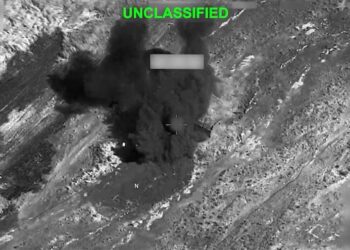
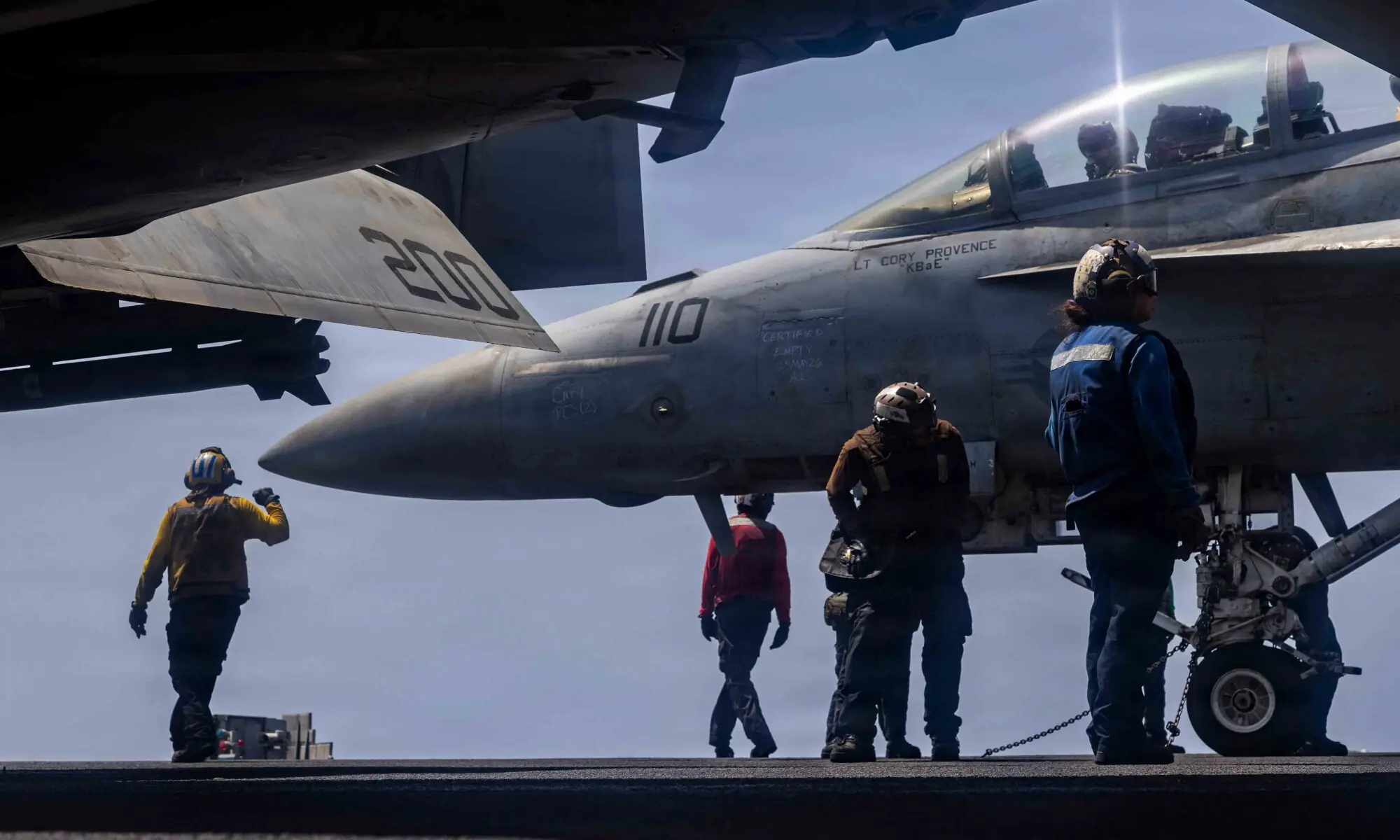
As a result, US fighter aircraft carried out strikes against Iranian air defence systems and military infrastructure.
Centcom said the operation destroyed a ground control station and two attack drones.
Furthermore, US officials claimed the targeted assets posed a threat to commercial shipping in regional waters.
The command also said it would continue protecting US personnel and interests during the ceasefire period.
Iran Claims Retaliatory Strike
Meanwhile, Iran said its response targeted a US military air base linked to attacks on southern Iran.
However, the IRGC did not identify the location of the base.
The announcement came shortly after reports of missile and drone activity in the Gulf region.
Kuwait Reports Air Defence Activity
At the same time, air defence systems in Kuwait intercepted incoming missile and drone threats.
According to the state news agency KUNA, warning sirens sounded across the country during the incident.
However, officials did not provide additional details about the attacks.
Kuwait hosts major US military facilities and remains a key American ally in the Gulf.
Ceasefire Struggles to Hold
Although a ceasefire took effect in early April, both sides have continued to exchange occasional strikes.
A similar incident occurred last week. At that time, Washington and Tehran offered competing accounts of the confrontation.
Consequently, concerns have grown that the ceasefire could unravel if diplomatic efforts fail.
Nuclear Dispute Remains Central Issue
The conflict began on February 28 when the United States and Israel launched military operations against Iran.
Since then, the war has killed thousands of people, mainly in Iran and Lebanon.
In addition, the conflict has disrupted global energy markets and increased economic uncertainty.
US President Donald Trump has repeatedly said his main objective is to prevent Iran from developing a nuclear weapon.
However, Iranian leaders continue to deny any intention to build nuclear arms.
As a result, both sides remain divided on one of the most sensitive issues in the negotiations.
Strait of Hormuz and Sanctions Complicate Talks
Meanwhile, the Strait of Hormuz remains a major point of concern.
Iran’s restrictions on shipping through the strategic waterway have pushed up global energy prices.
Consequently, Trump faces growing pressure to restore normal maritime traffic and lower fuel costs before November’s congressional elections.
At the same time, he faces criticism from hardliners within his own party who oppose concessions to Tehran.
Furthermore, Iran continues to demand sanctions relief and access to billions of dollars in frozen oil revenues.
Therefore, negotiators still face significant obstacles despite ongoing talks.
Lebanon Conflict Adds Another Challenge
The situation in Lebanon has also complicated diplomatic efforts.
Israeli Prime Minister Benjamin Netanyahu said on Sunday that he had ordered troops to advance further into Lebanon during operations against Hezbollah.
Meanwhile, US Secretary of State Marco Rubio has intensified diplomatic contacts in the region.
According to a US official, Rubio spoke with Lebanese President Joseph Aoun and Netanyahu about efforts to reduce tensions.
In addition, Washington has proposed a plan for a gradual de-escalation between Israel and Lebanon.
However, it remains unclear whether the proposal will gain support from all parties involved.
Uncertain Road Ahead
For now, negotiations between Washington and Tehran continue despite recurring military confrontations.
However, repeated exchanges of fire underline the deep mistrust between the two countries.
Unless both sides make progress on key issues, including sanctions, nuclear restrictions and regional security, the ceasefire could remain vulnerable to further escalation.