US President says “guarantees” secured, but reports suggest revised and tougher peace proposal sent to Tehran
WASHINGTON / TEHRAN — US President Donald Trump has said he has received assurances from Iran that it will not pursue nuclear weapons, even as reports indicate a revised and tougher version of a proposed peace framework has been sent back to Tehran for further consideration.
The developments come amid ongoing diplomatic efforts aimed at reaching a broader agreement to formally end conflict in the Middle East and reopen key maritime routes, including the strategically vital Strait of Hormuz.
Trump: “No nuclear weapons” is non-negotiable
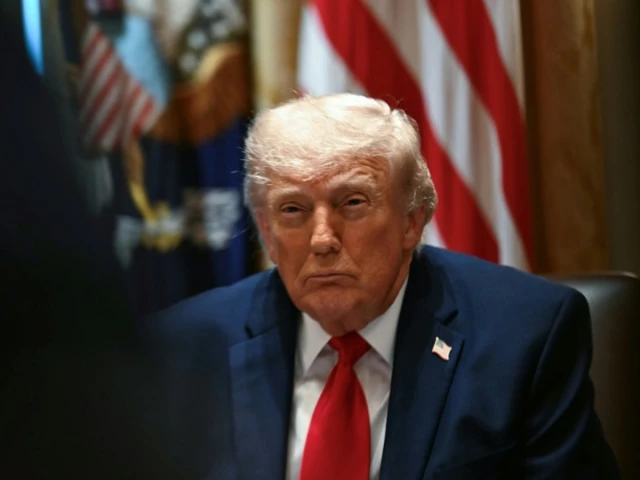
Speaking in an interview broadcast on Fox News, Trump said the central requirement of any deal remains preventing Iran from developing nuclear weapons.
“The one guarantee that I have to have is that there will be no nuclear weapons. They’ve agreed to that,” he said during an interview with Lara Trump.
However, the US president also signalled that negotiations remain fluid, adding: “I’m in no hurry… Slowly but surely we’re getting, I think, what we want.”
He warned that failure to reach an agreement could lead to alternative outcomes, without elaborating.
Reports of revised US proposal sent to Tehran
US media outlets, including The New York Times and Axios, reported that Trump had sent back a modified framework agreement with tougher terms.
While details remain unclear, the proposed deal is believed to focus on stricter limits surrounding Iran’s nuclear materials and verification mechanisms.
According to Axios, Trump also requested changes during a recent Situation Room meeting, including stronger provisions on the handling and transfer of enriched uranium.
A senior US official was quoted as saying the administration wanted more precise guarantees that Iran could “never possess a nuclear weapon”.
Iran pushes back on conditions and frozen assets demand
Iranian officials, according to state media reports, have expressed scepticism over US claims and have not confirmed acceptance of any final agreement.
Tehran has reportedly demanded the release of approximately $12 billion in frozen assets before entering substantive negotiations on its nuclear programme.
Iran has also rejected earlier US statements regarding the destruction of its enriched uranium stockpile, calling such claims “baseless”.
Strait of Hormuz remains central point of dispute
A key sticking point in discussions remains the Strait of Hormuz, one of the world’s most critical shipping corridors, through which nearly one-fifth of global oil passes.
Trump has said reopening the waterway is a priority under any agreement. Iranian sources, however, have emphasised their control over the strategic passage.
The Islamic Revolutionary Guard Corps (IRGC) Navy said it had coordinated the transit of 25 commercial vessels through the strait within 24 hours, describing the operation as part of its security oversight.
Iranian authorities also stated that foreign ships require approval before passage, underscoring Tehran’s continued influence over the route.
Rising military rhetoric alongside diplomacy
Despite ongoing negotiations, rhetoric between the two sides remains tense.
Iranian military officials warned that any aggression against Iranian territory would be met with a “stronger response than ever before”, according to state media.
Meanwhile, Trump suggested the US remains prepared for alternative measures if talks fail, indicating that diplomatic progress is not guaranteed.
Uncertainty over timing of agreement
While some officials cited by Axios suggested a deal could be reached soon, others indicated Iran is expected to respond within days, with no final text approved by either side.
A White House official reiterated that any agreement must ensure Iran is permanently prevented from acquiring nuclear weapons.
Despite optimism from some officials, both Washington and Tehran appear to remain divided on key conditions, leaving the outcome of negotiations uncertain.