Samira Nizami
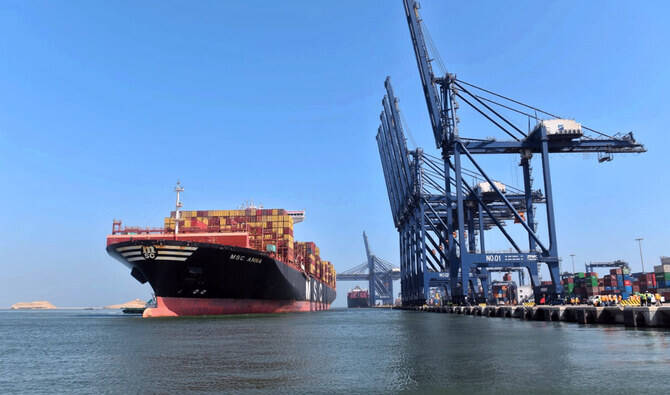
Karachi: The maritime and logistics sector has appreciated the proactive role of Karachi Port Trust (KPT) in ensuring uninterrupted port operations and gate activities during the Eid holidays.
Stakeholders noted that the decision reflects effective leadership and a strong commitment to maintaining trade flows and supply chain continuity during a critical period.
Industry representatives said such facilitative measures help reinforce confidence among shipping lines and strengthen Karachi Port’s position as a reliable hub for both gateway and transshipment cargo.
Industry Raises Concerns Over SRO 517
At the same time, the shipping community has raised concerns over recent amendments introduced through SRO 517(I)/2025 by the Federal Board of Revenue (FBR).
While acknowledging the importance of regulatory oversight and customs compliance, stakeholders have sought clarity on provisions related to the assignment of responsibility for duties, taxes, and liabilities.
Operational Challenges Highlighted
Shipping lines explained that cargo manifests are filed based on information received from the port of loading. However, once cargo is discharged or moved to off-dock facilities, custody shifts to terminal operators and bonded transporters under customs supervision.
In this context, industry representatives argued that shipping lines have limited visibility over subsequent cargo handling and should not be held accountable for discrepancies arising after discharge.
Concerns Over Scanning Requirements
Stakeholders also pointed to operational challenges linked to mandatory scanning of containers moving between terminals and off-dock facilities. They warned that such requirements could lead to delays and increased costs.
As transshipment cargo typically does not involve a local consignee, additional scanning charges may fall on shipping lines, potentially affecting the competitiveness of Karachi Port.
Regional Competition and Way Forward
Industry representatives noted that regional ports such as Nava Sheva and Mundra in India, Colombo in Sri Lanka, and Sohar in Oman are offering incentives to attract shipping lines, increasing competitive pressure.
They emphasised the need for a balanced regulatory framework that ensures compliance while maintaining operational efficiency.
Call for Consultative Approach
The shipping community reiterated its willingness to engage with authorities in a constructive dialogue to refine the regulatory framework in line with international best practices.
Stakeholders expressed confidence that a collaborative approach would support both regulatory objectives and Pakistan’s ambition to strengthen its position as a regional transshipment hub.