PR
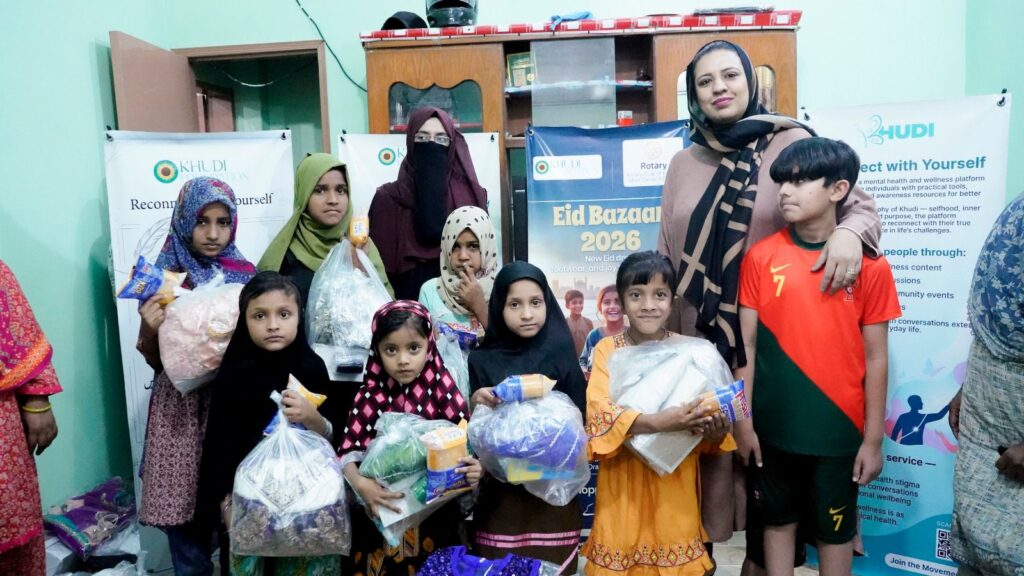
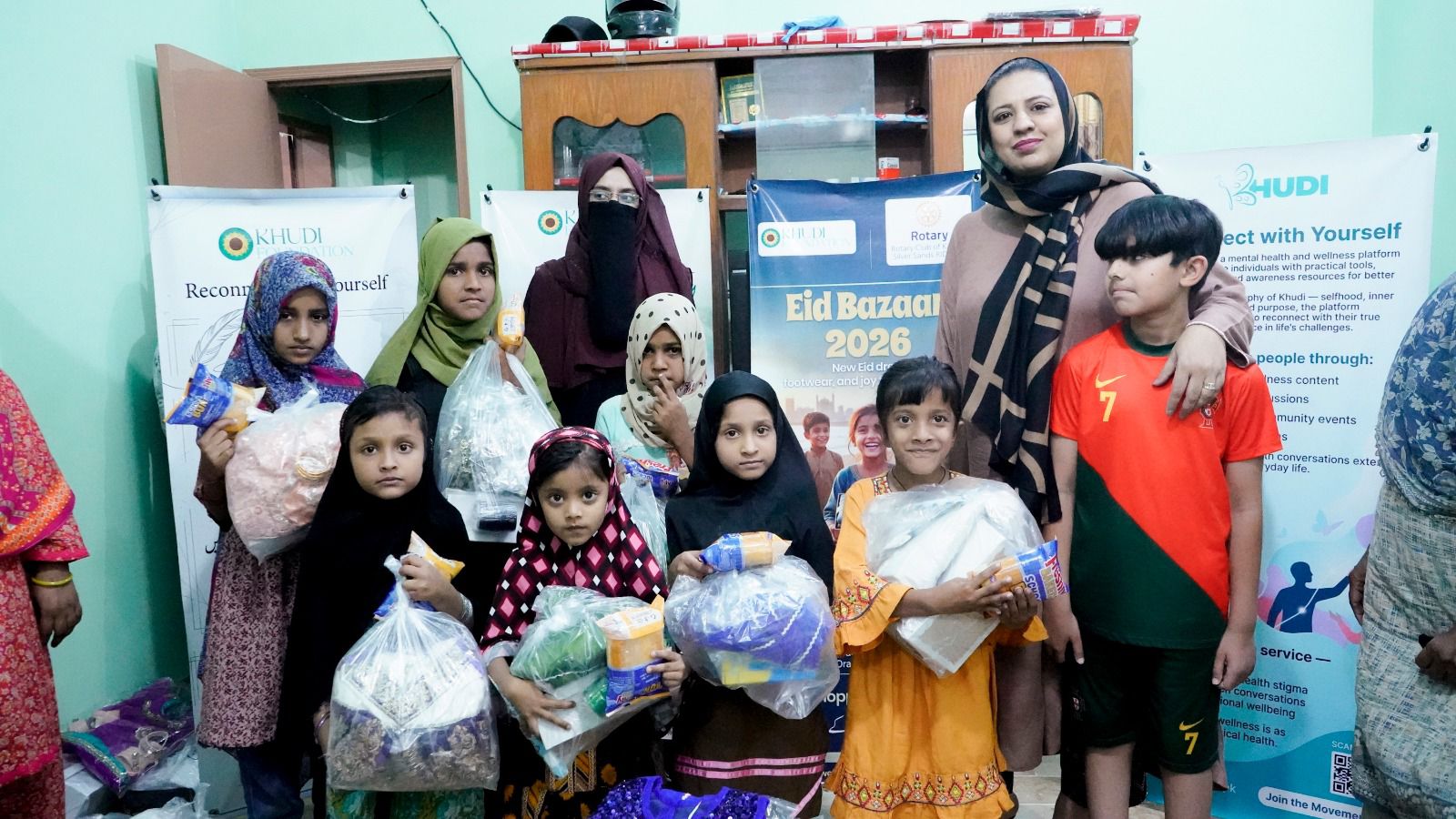
Karachi: In a shift from conventional charity practices, the Khudi Foundation, in collaboration with the Rotary Club of Karachi Silver Sands, organized a pilot “Eid Bazaar 2026” in Orangi Town, focusing on dignity-driven community support.
The initiative enabled 100 underprivileged children to experience Eid shopping through a subsidised model rather than receiving free handouts, marking a notable departure from traditional welfare approaches.
Subsidised Shopping Instead of Free Distribution
Under the programme, each participating child contributed a nominal amount of Rs100, while receiving access to a shopping package worth approximately Rs2,500. This allowed them to independently select their Eid clothes and footwear.
Organisers said the symbolic contribution was designed to preserve the dignity of families while enabling children to enjoy the experience of making personal choices.
Community Engagement and Local Economic Support
The bazaar was structured to benefit not only participants but also the local economy. Clothing for girls was sourced through neighbourhood tailors, while local footwear vendors were engaged to supply products.
This approach ensured that economic activity generated by the initiative remained within the community, providing a seasonal boost to small businesses ahead of Eid.
Positive Response from Participants
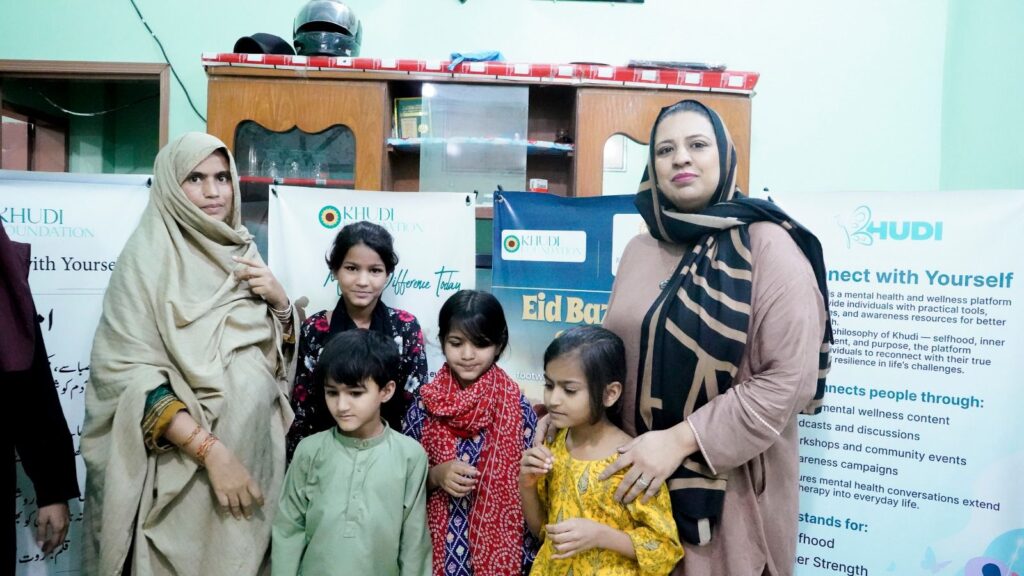
The event witnessed enthusiastic participation, with children actively selecting outfits, accessories and footwear. Organisers described the atmosphere as vibrant, reflecting both excitement and a sense of ownership among participants.
According to organisers, the experience extended beyond material provision, fostering confidence and a sense of inclusion among children from low-income households.
Organisers Highlight Shift Toward Empowerment
Sarwat N Shah, founder of the Khudi Foundation, said the initiative aimed to test a development-focused model of charity. She noted that the goal was to move beyond one-time aid toward approaches that encourage self-reliance and dignity.
She added that the visible impact of the initiative underscored the importance of rethinking traditional charitable practices.
A Replicable Model for Future Initiatives
Organisers believe the success of the pilot project offers a scalable framework for future community programmes. The model highlights how small structural changes—such as shared contribution and local sourcing—can enhance both social impact and community engagement.
They emphasised that similar initiatives could be adopted by other organisations seeking to balance welfare support with dignity and empowerment.