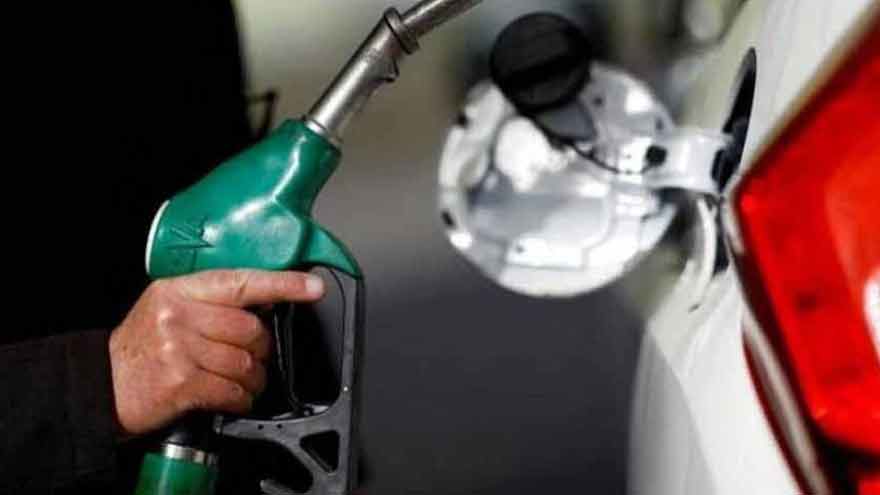
Petroleum prices in Pakistan could soon change every day under a new proposal that would give the Oil and Gas Regulatory Authority (Ogra) the authority to set fuel prices independently, reducing the federal government’s direct role in the process.
Pakistan inflation IMF forecasts 8.4% rate for FY2026-27
Under the proposed mechanism, Ogra would announce the prices of petrol, high-speed diesel, light diesel oil and kerosene every night. The revised rates would take effect from midnight.
The plan would replace the current weekly pricing system. Pakistan previously revised fuel prices on a fortnightly and monthly basis.
Ogra may take over fuel price decisions
The proposal would remove the existing approval process involving the Petroleum Division, the Finance Division and the prime minister. Instead, Ogra would determine and announce fuel prices on its own.
A committee formed by Prime Minister Shehbaz Sharif has already held four meetings to review petroleum pricing reforms. Petroleum Minister Ali Pervaiz Malik chaired the latest meeting on July 13.
Senior government officials, Ogra representatives, Pakistan State Oil (PSO) and consultancy firm KPMG attended the meeting. KPMG presented four pricing models: monthly, fortnightly, weekly and daily.
According to officials, committee members have shown greater support for the daily pricing model. However, the proposed system would operate as a hybrid model rather than a fully deregulated market.
Proposal includes price stabilisation fund
The proposed framework would also allow oil marketing companies (OMCs) to determine the Inland Freight Equalisation Margin (IFEM), dealer commissions and marketing margins. The arrangement would mirror the current pricing system for High Octane Blending Component (HOBC).
Meanwhile, Ogra would continue regulating the sector by monitoring fuel stocks, enforcing storage requirements and preventing hoarding.
The proposal also includes creating a price stabilisation fund. Authorities would deposit savings into the fund when global oil prices decline sharply. Later, the government could use those funds to reduce the impact of sudden international price increases on consumers.
Officials are also considering maintaining a domestic fuel price band between Rs275 and Rs325 per litre. If prices fall below the lower limit, the surplus would go into the stabilisation fund. If prices exceed the upper limit, authorities could use the accumulated funds to cushion consumers against higher global oil prices.